
News
Before Nashville, Charley Pride Chased the Majors From a Negro League Mound
Long before he became one of country music’s defining voices, Charley Pride was a hard-throwing Negro American League pitcher whose baseball dream ended with an injured arm and whose second act changed Nashville forever.

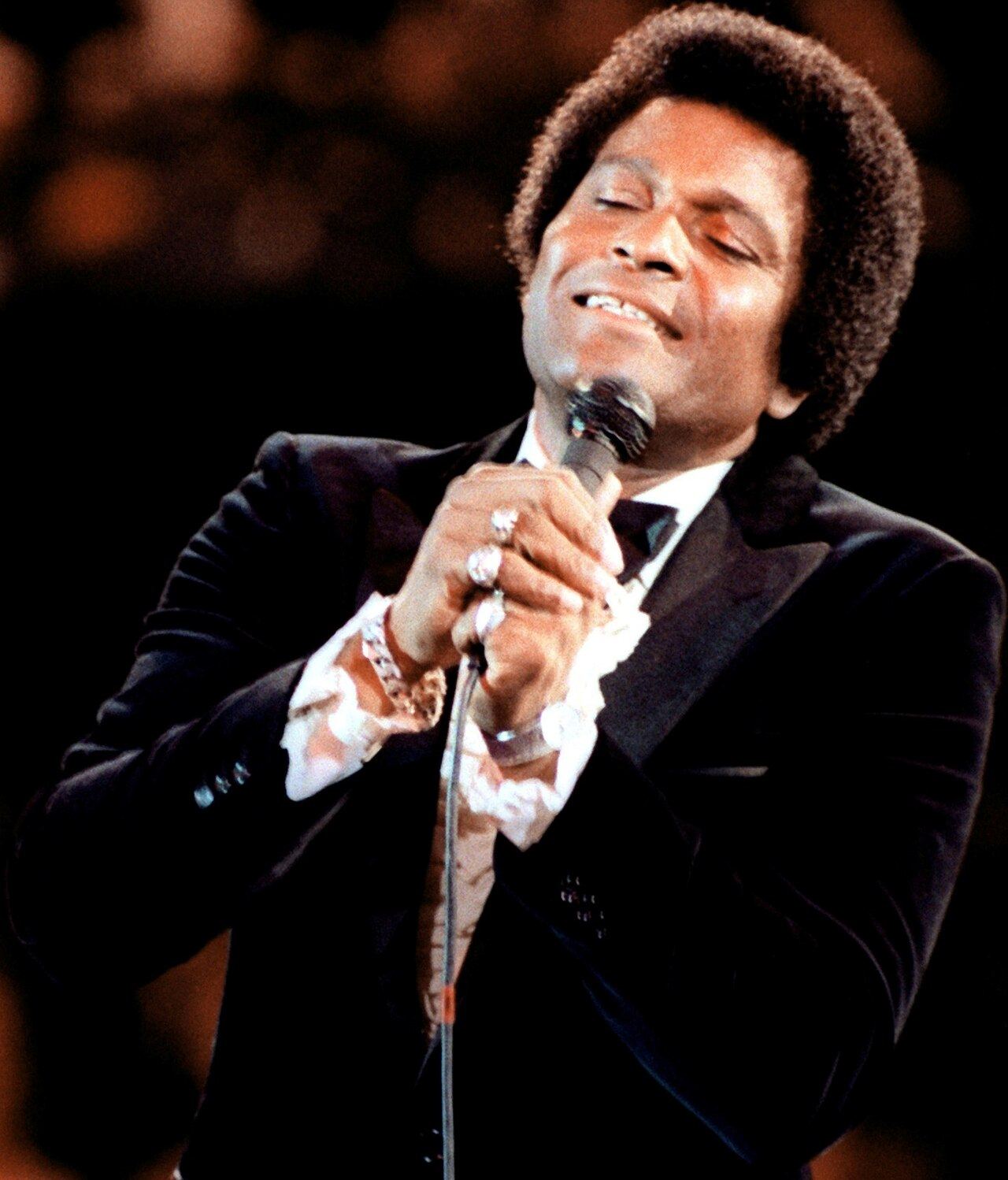
A fastball out of Mississippi
Before record sales, awards and Grand Ole Opry applause, Charley Pride’s first ambition was baseball. Growing up in Mississippi, he saw the mound as a path out of the cotton fields, and by the mid-1950s that dream had become serious enough to carry him into professional Black baseball.
In 1956, Pride pitched for the Memphis Red Sox of the Negro American League, a late chapter in a storied baseball institution that still mattered deeply even as integration reshaped the sport. He was known for velocity, the kind of arm that could make scouts look twice, and for a young man from the rural South, that arm represented escape, dignity and possibility.
Facing legends in an era of narrowing chances
Pride’s talent earned him a place in an All-Star exhibition setting where he stood on the mound against elite hitters, including Willie Mays and Hank Aaron. It is the kind of detail that startles in retrospect: one future giant of country music trying to beat two immortal baseball names with a fastball.
But the moment also captures the strange timing of Pride’s baseball life. Major League Baseball had integrated, yet opportunity did not suddenly become equal. Negro League players and Black prospects still moved through a system shaped by unofficial limits, guarded assumptions and far fewer second chances than white players could expect.
The system did not merely ask Black players to be good enough. It asked them to be undeniable, healthy and almost flawless, all at once.
The injury that closed one door
Pride had the ability to imagine a real run at the major leagues. Then his throwing arm gave out. A serious elbow injury permanently reduced the life on his pitches, and for a pitcher whose future depended on power, that loss was devastating.
In another context, a young player might have hoped to recover, adapt or simply wait for another opportunity. For a Black prospect in that era, especially one whose best weapon had been damaged, patience was not a luxury the game often granted. Baseball moved on quickly, and Pride was left to absorb the end of the plan he had built his life around.
From clubhouse grief to tavern stages
The collapse of his baseball career hit him hard. He loved the game deeply, and even later, after fame arrived, the sound of bat on ball remained something he missed. That lingering ache is part of what makes Pride’s story more than a neat tale of reinvention. Music did not erase baseball; it followed baseball’s heartbreak.
Yet the same discipline that had driven him toward the mound did not disappear. Those hands that could no longer command a major-league fastball found a new purpose around a guitar neck. Pride began performing in local venues, carrying with him the work ethic, endurance and competitive focus of an athlete who still needed somewhere to place his ambition.
Convincing Nashville to listen
What happened next was extraordinary not because it was easy, but because it was not. Pride entered country music, one of the most tradition-bound corners of American popular culture, and forced the industry to hear the quality of the voice before confronting its assumptions about who that voice belonged to.
His rise would eventually make him one of country music’s most important stars, a barrier-breaking figure whose success altered the genre’s history. The same determination that once pushed him through segregated baseball spaces now powered him through another world of gatekeepers, skeptics and quiet exclusions. He did not simply find a second career; he conquered another institution.
The ballplayer inside the country star
Pride’s baseball past was never just an interesting prelude to celebrity. It shaped the way he worked, the way he endured disappointment and the way he understood pressure. There is a straight line between a pitcher trying to retire dangerous hitters and a singer stepping into rooms that were not built with him in mind.
That is why his story still resonates so strongly. It is not only about talent in two different fields. It is about the brutal thinness of opportunity for Black Americans in midcentury institutions, and about what it took to survive when one dream was taken away. Charley Pride did not stop being the young pitcher from Mississippi when he became a country star. He carried that lost season with him all the way to Nashville.
Quick Facts
- Subject: Charley Pride
- Baseball team: Memphis Red Sox
- League: Negro American League
- Baseball role: Pitcher
- Notable opponents mentioned: Willie Mays and Hank Aaron
- Later career: Country music singer
Image credits: GREG MATHISON / Wikimedia Commons / Public domain; Republic Country Club / Wikimedia Commons / CC BY 2.0; Republic Country Club / Wikimedia Commons / CC BY 2.0.

