
News
Rozene Cohran and Charley Pride: The Quiet Partnership Behind a Barrier-Breaking Country Career
Warned never to marry a ballplayer, Ebby Rozene Cohran instead built a six-decade life with Charley Pride, helping steady the family through baseball, military service, and the racial headwinds of country music.

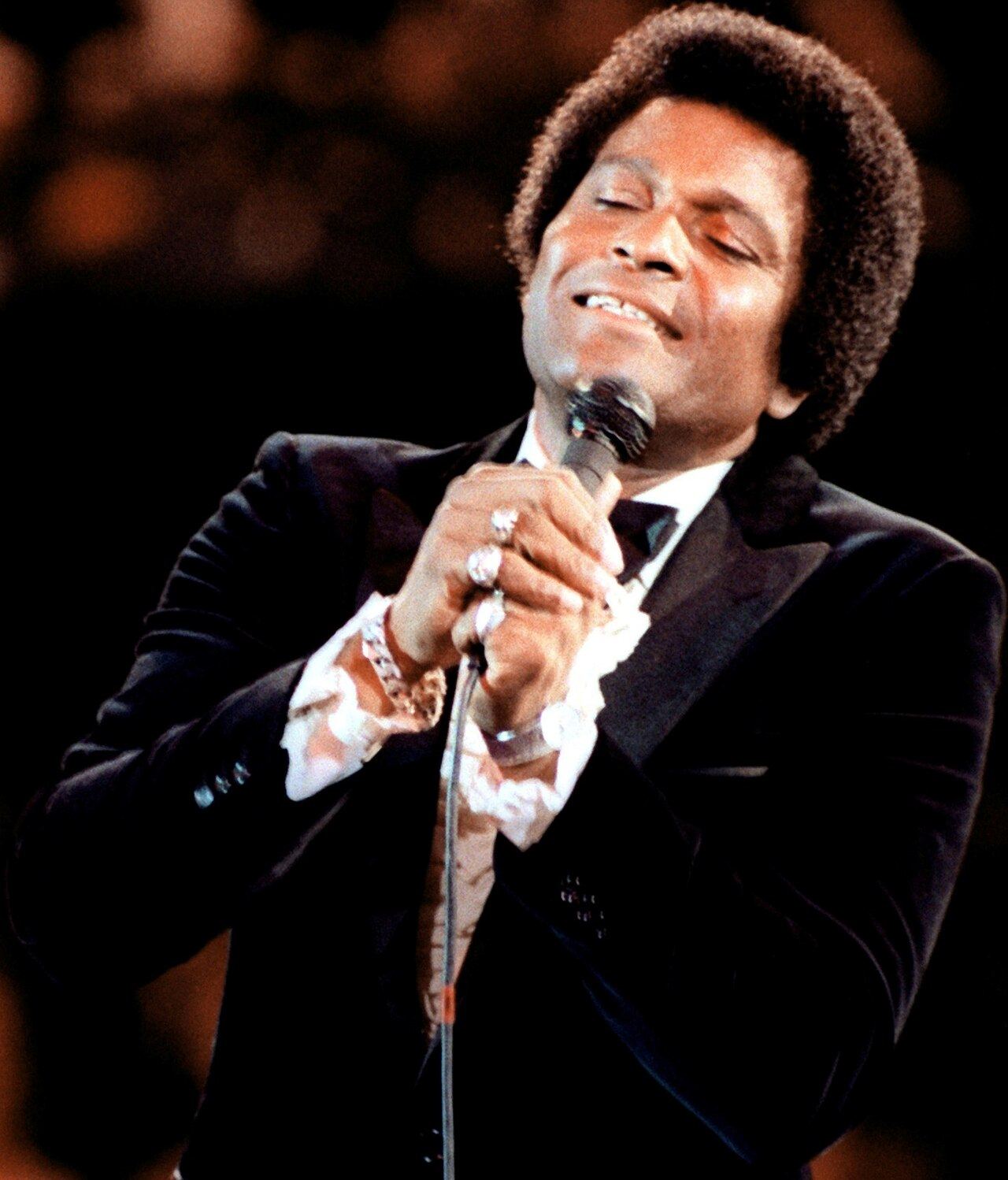
A warning from home, and a meeting that changed everything
Ebby Rozene Cohran grew up with a clear warning from her father: never marry a ballplayer. It was practical advice, rooted in the instability that often followed athletes from town to town — long travel, uncertain paychecks, and contracts that could disappear as quickly as they came. To him, romance with a player meant building a life on shifting ground.
Then came Memphis in 1956. There, Rozene met a young pitcher named Charley Pride, who was playing for the Memphis Red Sox. Whatever caution she had inherited met its match in the immediacy of their connection. Their courtship moved with the kind of certainty that families sometimes fear and couples instantly recognize.
On their first date, afraid she might slip away, Charley Pride handed Rozene a vinyl copy of the Ames Brothers’ “It Only Hurts for a Little While” — a small, earnest gesture that became part of their origin story.
A fast courtship and a marriage built on resolve
The relationship did not linger in uncertainty for long. By December of that same year, during Pride’s holiday leave from military service, the two were married. In the span of months, Rozene had crossed the line her father had tried to draw, turning a warning into a commitment that would define the next six decades of her life.
That early decision mattered because nothing about the years ahead would be simple. Pride’s path was already unconventional, beginning in baseball and shaped as much by discipline as by ambition. Rozene entered the marriage not as a spectator but as a partner who would be asked, again and again, to adapt with him.
When baseball gave way to music
The couple’s first major test arrived when injuries pushed Pride away from baseball and toward music. Career changes are difficult in any household, but this one came with unusual risk. He was not moving into a familiar lane so much as stepping into a world that offered little precedent for someone like him.
In the 1960s, country music remained an especially fraught space for a Black performer. The obstacles were not abstract. They appeared in skeptical rooms, guarded radio offices, and on the road itself, where every booking and every audience reaction carried uncertainty. Pride was pursuing a sound he loved in an industry not yet ready to welcome him easily.
The work Rozene did away from the spotlight
While Charley Pride confronted the visible barriers of the business, Rozene handled the quieter labor that made endurance possible. She grounded the household, managed domestic finances, and helped create a sense of normalcy as the family put down roots in Dallas. It was practical work, but also protective work — the kind that often goes unseen in public success stories.
That protection extended to their children, whom she shielded as best she could from the hostility that could follow a pioneering public life. Fame can magnify a family’s vulnerabilities; prejudice can sharpen them. Rozene’s role was to keep home from becoming another front in the battle, giving the family privacy, order, and steadiness while the public world tested them.
The radio gamble that let the voice lead
A turning point came in 1966 with a carefully handled radio debut. When station DJs played Pride’s first RCA Victor release, they did so without mentioning that he was Black and without circulating a photograph. The strategy was simple but revealing: let listeners hear the smooth baritone first, before prejudice had a chance to intervene.
It was both a marketing decision and a measure of the era’s racial realities. In another setting, an artist’s image would naturally accompany his introduction. Here, concealment became a bridge to acceptance. Once audiences connected with the voice on its own terms, assumptions had less room to dictate the first impression.
A historic career, and the marriage beneath it
The path those early decisions opened would lead to one of the most significant careers in country music. Charley Pride went on to score 29 number-one country hits and earn induction into the Country Music Hall of Fame, achievements that placed him among the genre’s defining stars as well as its most important barrier-breakers.
But the fuller story is not only about awards and chart success. It is also about the marriage that made the long road livable: the Memphis courtship, the rushed holiday wedding, the leap from baseball to music, and the private strength required to withstand public resistance. Rozene Cohran’s life with Charley Pride shows how history is often carried not just by the person at the microphone, but by the partner who helps make it possible to keep singing.

Quick Facts
- Rozene’s full name: Ebby Rozene Cohran
- Met Charley Pride: Memphis, 1956
- Charley Pride’s baseball team: Memphis Red Sox
- Wedding timing: December 1956, during his holiday military leave
- Key early gift: A vinyl copy of “It Only Hurts for a Little While” by the Ames Brothers
- Breakthrough strategy: Radio stations played his RCA Victor debut without identifying his background or using a photo
- Career milestone: 29 number-one country hits
- Honor: Country Music Hall of Fame inductee
Image credits: GREG MATHISON / Wikimedia Commons / Public domain; Republic Country Club / Wikimedia Commons / CC BY 2.0; Republic Country Club / Wikimedia Commons / CC BY 2.0.

