
News
Why Don Williams Nearly Walked Away From a Triumph in Britain
At the height of a sold-out 1976 U.K. tour, Don Williams was already dreaming of home, revealing how deeply his quiet private life shaped the rules of his fame.

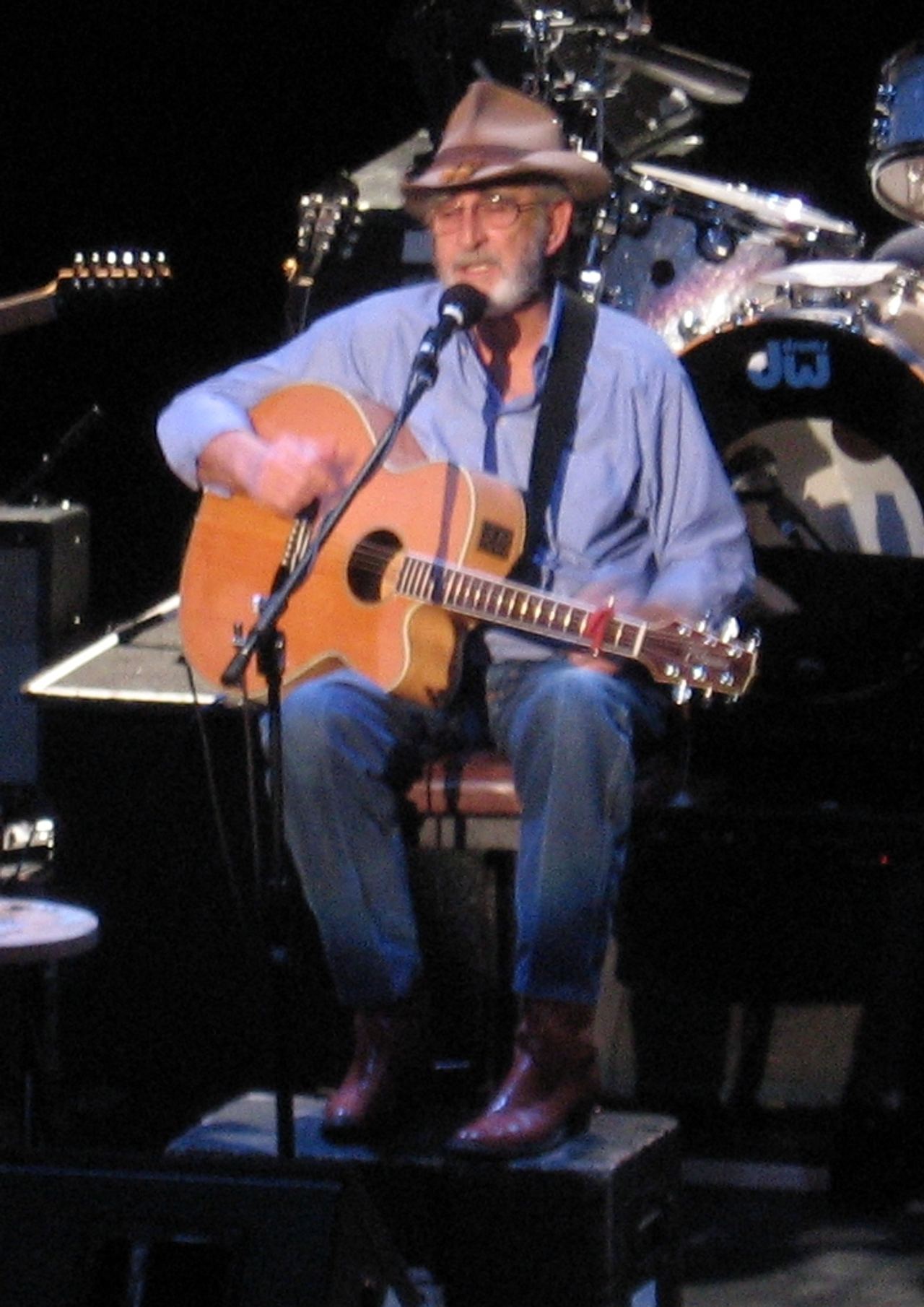
A country star conquers Britain
By 1976, Don Williams was no longer simply an American country singer with a growing following. In the United Kingdom, he was playing sold-out arenas, drawing the kind of crowds that signaled something bigger than a successful tour. His warm, unhurried style had crossed the Atlantic, and the scale of the reception confirmed that his appeal was not limited by geography.
The attention around the run reflected that new reality. European press followed his movements, the shows generated major revenue, and even rock royalty turned up to watch. Eric Clapton sitting in the audience captured the unusual breadth of Williams’ reach: a country performer with the pull to fascinate listeners far outside Nashville’s traditional orbit.
The man behind the ‘Gentle Giant’ image
Williams’ public persona was built on calm authority. Nicknamed the ‘Gentle Giant,’ he projected steadiness rather than flash, and that same reserve defined the way he moved through success. In an era often remembered for road-life excess, he stood apart from the stereotype of the touring star who treated luxury as a reward in itself.
That difference became especially clear in London. Behind the doors of upscale hotel suites that many performers would have considered the ultimate perk, Williams felt trapped rather than indulged. The expensive surroundings did not flatter his success; they only sharpened his discomfort. At the very moment the industry might have expected him to enjoy the spoils, he was trying to figure out how to leave them behind.
The phone calls that kept him anchored
His daily ritual was not a party, a late-night gathering, or a celebrity outing. It was a phone call home to his wife, Joy Bucher. The transatlantic connection was the line that mattered most, more sustaining than applause and more meaningful than the prestige attached to the tour.
What he discussed on those calls says almost everything about him. He did not center the ovations, the famous faces in the crowd, or the thrill of overseas success. Instead, he talked about how suffocating he found the hotel rooms and how seriously he was considering canceling the tour just to return to the farm. For Williams, home was not an abstract ideal; it was the actual place where life felt real.
At the peak of international fame, Don Williams was measuring success against the possibility of getting back in time for ordinary work at home.
A farm, a marriage, and a different definition of success
That impulse to leave was not a dramatic gesture. It reflected a value system that had been in place before the sold-out arenas arrived. The life he shared with Joy Bucher provided the baseline against which everything else was judged. Stardom could expand his audience, but it could not reorder his priorities.
There is something strikingly revealing in the image of Williams willing to trade money and prestige for an afternoon of yard work. It sounds almost defiant in the context of 1970s entertainment culture, but for him it appears to have been simple honesty. The quiet routines of home were not what he escaped from when he toured; they were what he missed, and what he protected.
Finishing the tour, then redrawing the map
He ultimately handled the remainder of the European schedule, but the experience left a lasting mark. The tour confirmed his international stature, yet it also clarified the cost of allowing work to expand without limits. Rather than letting success dictate an ever larger road life, Williams responded by setting strict boundaries around touring.
Those limits were designed to protect family time and preserve the life that fame threatened to crowd out. In that sense, the 1976 tour became more than a commercial victory. It served as a turning point, a moment when Williams proved that career momentum did not have to erase personal priorities. He would continue performing, but on terms that made room for the marriage and home life he refused to sacrifice.
Why the story still resonates
The episode endures because it runs against one of popular music’s oldest myths: that every artist secretly wants more scale, more glamour, more distance from ordinary life. Williams’ reaction suggested the opposite. He had reached a level many performers spend their lives chasing, and what he wanted most was not another suite, another headline, or another famous admirer. He wanted familiar ground.
That helps explain why his legacy carries a particular kind of affection. Fans heard calm in his voice because it was present in his choices. The sold-out U.K. arenas mattered, but so did the fact that they never changed his center of gravity. For Don Williams, international stardom was real; it just was not the thing he loved most.
Quick Facts
- Artist: Don Williams
- Key year: 1976
- Tour setting: Sold-out arenas in the United Kingdom
- Family anchor: Daily phone calls to his wife, Joy Bucher
- Defining tension: Global success versus a desire to return to farm life
- Lasting impact: He set strict touring boundaries to protect family time
Image credits: DJParker39 at English Wikipedia. / Wikimedia Commons / Public domain; Unknown authorUnknown author / Wikimedia Commons / Public domain; Unknown authorUnknown author / Wikimedia Commons / Public domain.

