
News
When Skeeter Davis Broke Her Silence About Ralph Emery
In Bus Fare to Kentucky, Skeeter Davis recast a glittering Nashville marriage as a private ordeal, turning a long-suppressed story into a public act of survival.

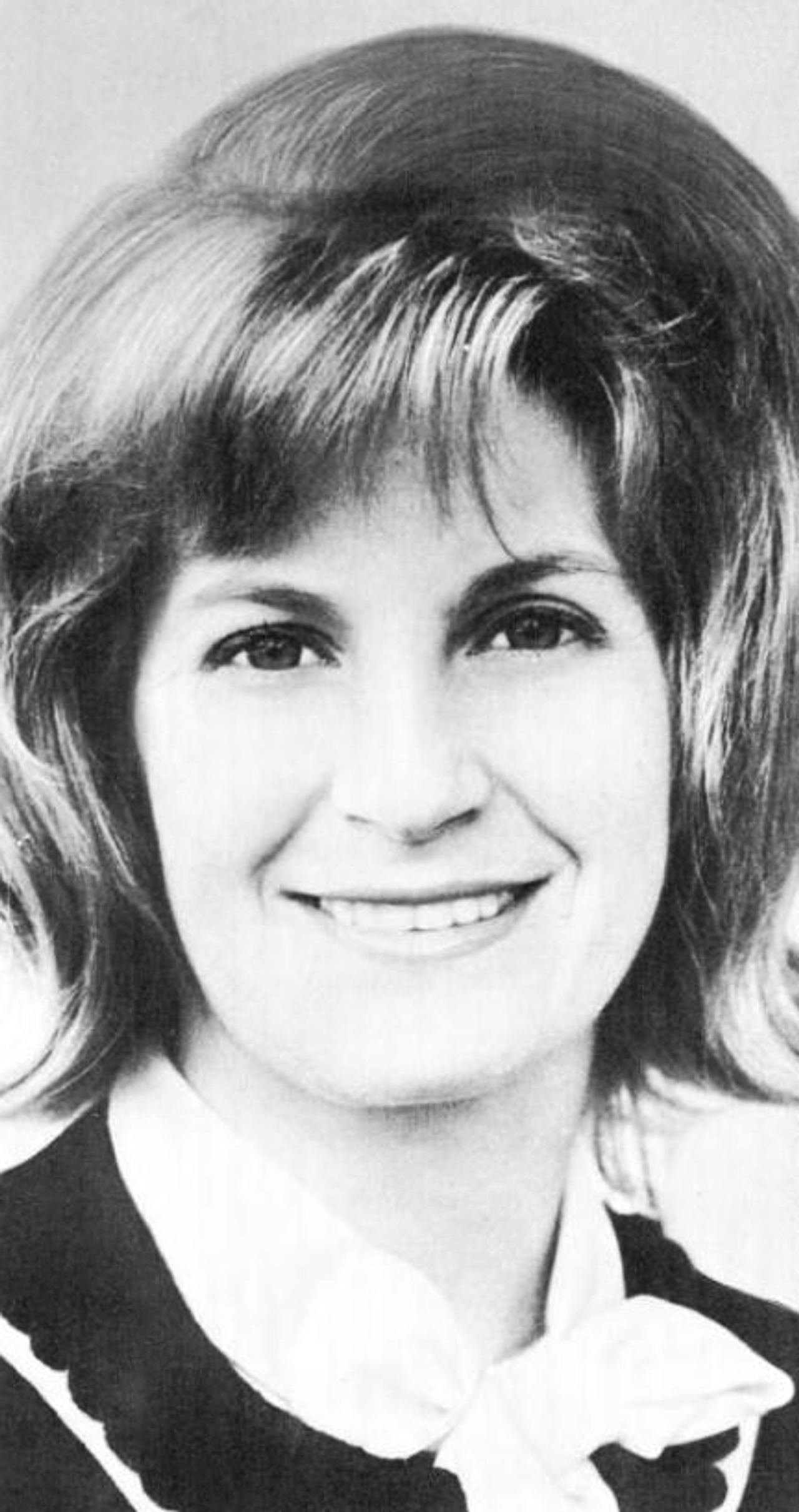
A memoir that disrupted Nashville’s preferred story
By the time Skeeter Davis published Bus Fare to Kentucky in 1993, she had spent decades as one of country music’s most recognizable voices. Her recordings carried an unusual blend of tenderness and steadiness, and her public image suggested poise, professionalism, and hard-earned success. That is precisely why the memoir landed with such force: it did not merely add color to an established career, it challenged one of the comforting narratives the country industry had long allowed to stand.
At the center of the book was her marriage to broadcaster Ralph Emery, a towering media figure in Nashville whose influence extended far beyond the microphone. On the surface, their union looked ideal for the era, a connection between a hit-making singer and a man with formidable power in country radio and television. Davis’s account stripped away that sheen. In place of glamour, she described a home life shaped by control, emotional pressure, and a private misery invisible to fans.
Writing the memoir was not presented as revenge so much as reclamation: a refusal to let a polished public legend stand in for what she said she had actually lived.
The perfect industry match that was not
From 1960 to 1964, Davis and Emery appeared to embody Nashville success. She was an artist whose voice could move easily between country feeling and pop accessibility, and he was a broadcaster with unusual reach in a business where access and approval mattered enormously. In an industry built on image, theirs was the kind of marriage that seemed to confirm a hierarchy everyone understood: talent onstage, authority behind the scenes, and mutual prestige for both.
But the memoir recast that arrangement as deeply unequal. Davis wrote of strict isolation, unfounded jealousy, and an atmosphere in which ordinary independence became difficult. Her account suggested that the imbalance was not incidental to the marriage but one of its defining features. The woman the public heard as calm and reassuring was, at home, being pushed into a smaller and smaller emotional space.
Control behind closed doors
What made Davis’s account especially unsettling was its contrast with her public life. While her records reached a wide audience and her presence at the Grand Ole Opry signaled status and belonging, she said her private world offered little safety. According to her memoir, Emery monitored her schedule and relationships, turning suspicion into a daily pattern rather than an occasional conflict. The behavior she described was not dramatic in the theatrical sense; it was repetitive, invasive, and wearing.
Just as damaging were the insults and criticism she said she endured. Emotional diminishment often leaves no obvious mark for outsiders to recognize, yet it can alter how a person hears her own thoughts, evaluates her own choices, and imagines her own future. Davis’s telling emphasized that erosion. The cost was not simply unhappiness, but the gradual weakening of confidence in a woman whose professional life required self-possession.
Leaving in 1964, and the silence that followed
Davis eventually left the marriage in 1964, but leaving did not immediately produce a public reckoning. In Nashville, reputations were valuable currency, and powerful men often benefited from an informal culture of protection. Emery’s standing in the industry remained substantial, while Davis carried the more complicated burden common to many survivors: the knowledge of what had happened, paired with the pressure not to say too much about it.
That long silence is central to understanding why Bus Fare to Kentucky mattered. Three decades is enough time for a version of events to harden into accepted memory, especially when one party holds institutional influence. By waiting, whether from caution, pain, or simple survival, Davis allowed the public image of the marriage to persist. Publishing the memoir was therefore not only disclosure. It was an argument with history.
Why the book mattered when it appeared
When Davis finally told the story in print, the timing gave the revelation a particular moral weight. She was no longer speaking from the immediate chaos of divorce, nor from the defensive posture of a tabloid skirmish. The memoir came as a considered statement, one that framed her experience as part of her life’s record rather than as an isolated scandal. That distinction mattered. It asked readers to see her not as a participant in celebrity conflict, but as a witness to her own endurance.
For the Nashville establishment, that kind of honesty could be uncomfortable. A scene that depends on loyalty, discretion, and mythmaking does not easily welcome testimony that complicates beloved narratives. Even without needing a dramatic public backlash to prove the point, the memoir exposed a familiar tension in entertainment culture: industries celebrate strong women onstage, yet often prove far less willing to hear what those women say about power offstage.
Rebuilding independence in the years after Emery
The most important consequence of Davis’s memoir was not the embarrassment it may have caused powerful people, but the agency it restored to her own story. In describing the marriage as controlling and harmful, she shifted herself from the role of silent participant to that of narrator. That transition is more than literary. For many survivors, naming a past experience plainly is part of rebuilding the self that sustained years of doubt had obscured.
Davis’s life after the marriage had already demonstrated that she could continue as an artist and public figure, but the memoir gave that perseverance a clearer emotional context. It showed that professional success had not canceled private suffering, and that survival was not a single dramatic exit but a longer process of recovering trust in one’s own judgment. By putting her account into permanent form, she ensured that her legacy would include not only the songs that comforted millions, but the hard-won insistence that her private truth belonged in the historical record too.

Quick Facts
- Memoir: Bus Fare to Kentucky
- Published: 1993
- Marriage to Ralph Emery: 1960–1964
- Core revelation: Davis described isolation, jealousy, criticism, and control behind a polished public image
- Why it mattered: The book broke roughly three decades of silence and reclaimed her version of events
Image credits: RCA Victor / Wikimedia Commons / Public domain; Royal Air Force official photographer / Wikimedia Commons / Public domain; Don O’Brien from Piketon, Ohio, United States / Wikimedia Commons / CC BY 2.0.

