
News
Skeeter Davis’s First Marriage Was Built on a False Fortune
What looked like a refuge from grief and the pressures of country stardom became, for Skeeter Davis, a painful lesson in how fame could attract not love, but calculation.

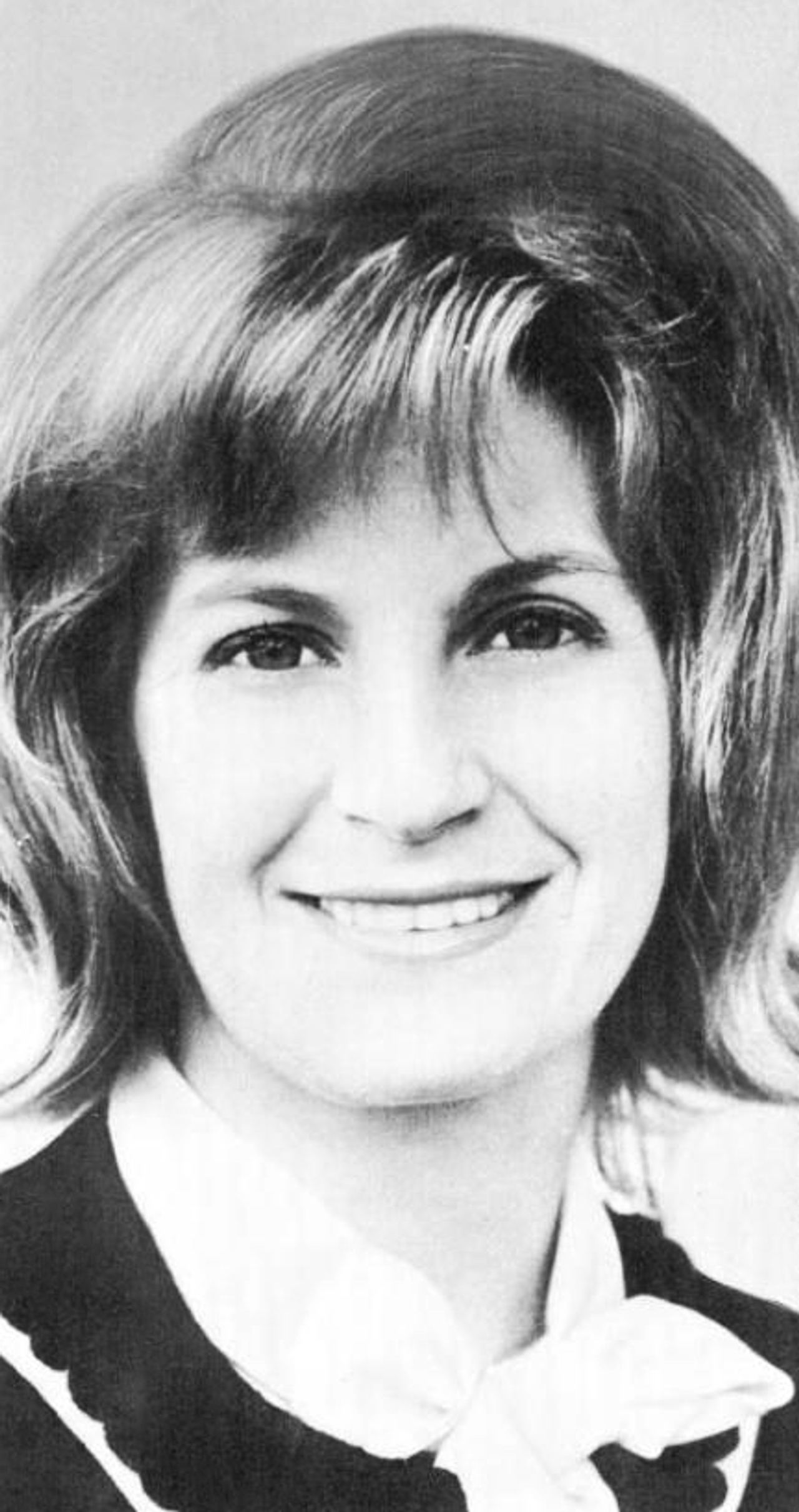
A young star searching for solid ground
By the mid-1950s, country music could be an unforgiving place for a young woman trying to build a career. The work was relentless, the money uncertain, and the emotional demands high even under the best circumstances. For Skeeter Davis, those pressures were compounded by personal loss that had already changed the course of her life.
She had come into public view as part of the Davis Sisters, and the duo’s promise was cut brutally short by the car crash that killed her singing partner, Betty Jack Davis. In the aftermath, Skeeter Davis carried on, but grief remained part of the story. Against that backdrop, the promise of a normal marriage and a home life away from the stage must have seemed not just appealing, but necessary.
A marriage that appeared reassuringly ordinary
When Davis married Kenneth DePew in 1956, the match seemed to offer exactly the kind of stability she needed. He was a railway worker, not a performer, not a promoter, not another figure from the rough-and-tumble machinery of the music business. That detail mattered. It suggested a life rooted in routine, labor, and ordinary commitments rather than in ambition and applause.
To outside observers, and apparently to Davis herself, the marriage carried the comforting outline of a working-class romance. Here was a man who seemed removed from the opportunism of show business, someone who might love the person rather than the public image. In an industry where motives could be hard to read, that kind of simplicity would have been deeply reassuring.
What looked like an escape from the emotional hazards of fame turned out to be another version of them.
The devastating truth beneath the vows
But this was not a marriage that fell apart under familiar strains like time apart, touring schedules, or the slow cooling of affection. According to the account suggested by this episode, its central fracture was there from the beginning. DePew’s commitment was not rooted in love or partnership, but in a financial fantasy he had constructed around Davis’s growing name.
The cruel irony was that he appears to have mistaken visibility for wealth. As Davis’s reputation rose on radio and in country circles, he assumed she must already have accumulated significant money. In that reading, the marriage was less a union than a scheme: not an attempt to build a life with a woman recovering from loss, but an effort to gain access to what he believed was a fortune.
Fame did not mean riches in early country music
That assumption says as much about the era as it does about the man. To modern eyes, celebrity and money often seem inseparable, but in the world of mid-century country music, the equation was far less reliable. A recognizable voice on the radio or a growing reputation on the road did not automatically translate into lasting financial security.
Early-career artists, especially in country music, often worked hard for modest returns. Touring was demanding, recording contracts were not necessarily generous, and the machinery that turned talent into serious wealth was uneven at best. For a young female singer still establishing herself, public success could create the illusion of prosperity long before any real prosperity arrived. DePew, by all appearances, married that illusion.
A betrayal made sharper by timing
The emotional force of the story lies in when it happened. Davis was not entering marriage from a position of carefree confidence. She was a young artist carrying grief, trying to keep moving professionally while living with the wreckage of personal trauma. In that moment, marriage could reasonably seem like a shelter—something private, trustworthy, and separate from the performative demands of her career.
That is what makes the deception feel especially severe. It was not simply that she chose the wrong partner. It was that the very thing she hoped would restore her sense of safety was compromised by hidden motive. A relationship that appeared to offer rest instead reproduced the same instability she was trying to escape, only in a more intimate form.
The lasting lesson in Skeeter Davis’s story
Stories about classic-country lives are often told in terms of songs, hits, tours, and public comebacks. But episodes like this one reveal the quieter pressures surrounding success. Rising visibility can distort how other people see an artist, inviting projections about glamour, comfort, and money that have little to do with reality. For women in particular, fame could make them vulnerable in ways that were deeply personal as well as professional.
In Skeeter Davis’s case, the collapse of her first marriage stands as a stark reminder that recognition is not the same thing as security. The image of a safe harbor can be powerful, especially for someone exhausted by grief and uncertainty. Yet what appeared to be a simple, grounding love story turned out to be shaped by misunderstanding, opportunism, and the false promise of wealth that was never really there.

Quick Facts
- Subject: Skeeter Davis
- Marriage year: 1956
- First husband: Kenneth DePew
- Kenneth DePew’s job: Railway worker
- Core conflict: He reportedly believed her rising fame meant she had substantial wealth
- Career context: She was building a solo country career after the death of her singing partner
Image credits: RCA Victor / Wikimedia Commons / Public domain; Royal Air Force official photographer / Wikimedia Commons / Public domain; Don O’Brien from Piketon, Ohio, United States / Wikimedia Commons / CC BY 2.0.

