
News
The Moment Don Williams Almost Quit Music—and the Marriage That Kept Him Going
Before Nashville turned Don Williams into one of country music’s calmest giants, he was close to leaving songs behind for a furniture salesman’s paycheck, until his wife Joy insisted he hold on a little longer.


A guitar case, a job application, and the end of a band
In 1971, Don Williams was not standing on the edge of stardom. He was standing in a far more ordinary place: adulthood, with bills to pay and a career that seemed to have run out of road. The Pozo Seco Singers, the folk-pop trio that had defined his professional life in the late 1960s, had broken up. The harmonies were over, the group identity gone, and the future suddenly looked less like a stage than a showroom floor.
At thirty-two, Williams did what many working musicians eventually consider doing when the phone stops ringing. He packed away the acoustic guitar, turned toward steady employment, and filled out an application at a local furniture store. It was a practical move, almost painfully so. Selling living room sets would not have been glamorous, but it would have meant a reliable paycheck, groceries in the pantry, and a way to keep the household afloat while the dream receded.
Joy Bucher’s refusal to let practicality win
The hinge in the story was not an executive, a producer, or a lucky break in a studio hallway. It was Joy Bucher, Williams’s wife, whom he had married in 1960. By then, the couple had already lived through the uncertain rhythms of a musician’s life: touring, separation, thin months, and the constant wager that talent would eventually meet opportunity. When Williams told her he was prepared to give up music, Joy did not accept the logic of surrender.
Instead, she made a quieter, harder choice. She took charge of the household finances, stretched what money they had, and found ways to buy him time. That kind of support rarely enters music mythology with the drama it deserves. It is not as cinematic as a record deal or as visible as a chart hit. But it can be decisive. In this case, it meant that Williams was not forced to trade songwriting for retail work just when his voice as an artist was still forming.
Her quiet faith kept a guitar in his hands when practicality almost put it away.
The Nashville pivot
With Joy helping hold the domestic ground, Williams made the move that changed everything: he went east to Nashville. It was not yet the triumphant arrival of a new star. It was workmanlike, even humble, the sort of move made by someone still trying to remain in the game rather than conquer it. In Nashville, he found a place as a staff songwriter with Jack Clement’s publishing company.
That job mattered because it gave Williams something every songwriter needs and few can afford for long: time, structure, and a reason to keep writing. In small offices and unglamorous rooms, away from the spotlight, he honed the understated style that would later become his signature. The voice that listeners would come to know as warm, restrained, and deeply reassuring was not built in a blaze. It was shaped in discipline, uncertainty, and persistence.
The kitchen-table period behind the legend
What makes this chapter especially compelling is how domestic it is. Before the hits and the honors, there was a kitchen-table phase: household budgeting, unwritten songs becoming rough demos, and a marriage functioning as both emotional shelter and creative infrastructure. These are the months that often vanish from public memory because they do not look like success yet. But they are where careers are saved.
The mention of unreleased demo tapes that Clement first heard from this period suggests a crucial but only partly illuminated archive of beginnings. Demo recordings are often less polished than what follows, but they can reveal the artist more nakedly: a melody before arrangement, a lyric before refinement, a manner of singing not yet buffered by expectation. For Williams, those tapes would likely show the emergence of the qualities that later made him distinctive—plainspoken emotional clarity, unforced delivery, and a deep trust in understatement.
Why this near-exit matters in country history
Country music has no shortage of comeback stories and breakthrough myths, but Williams’s almost-retirement offers a different kind of lesson. It is not about flamboyant reinvention or overnight discovery. It is about the narrow margin between obscurity and endurance. Had Joy not intervened, had the furniture job become permanent, one of country music’s most recognizable voices might have disappeared into ordinary life before fully arriving.
That possibility sharpens the way listeners hear his later success. When Williams’s solo career took off only a couple of years later, it was not simply the flowering of talent. It was the result of a fragile interval in which personal faith, marital partnership, and a practical decision to keep going all intersected. In an industry that often celebrates the individual, this story reminds us how often artistry survives because someone at home believes before the market does.
The untold chapter still worth exploring
There is a reason this episode continues to feel rich, even from a handful of known facts. It sits at the intersection of marriage, money, ambition, and regional music culture. How exactly did the couple manage those first Nashville months? What bills were deferred, what routines rearranged, what sacrifices normalized? And what, exactly, did Clement hear in those early demos that made him listen closely?
Those questions point toward a fuller chapter of country history still waiting to be told in detail. Not because it overturns what is known about Don Williams, but because it deepens it. The calm authority of his later music did not emerge from ease. It came out of a moment when giving up would have made perfect sense. The fact that he did not owes something to talent, certainly, but also to Joy Bucher’s refusal to let necessity have the last word.

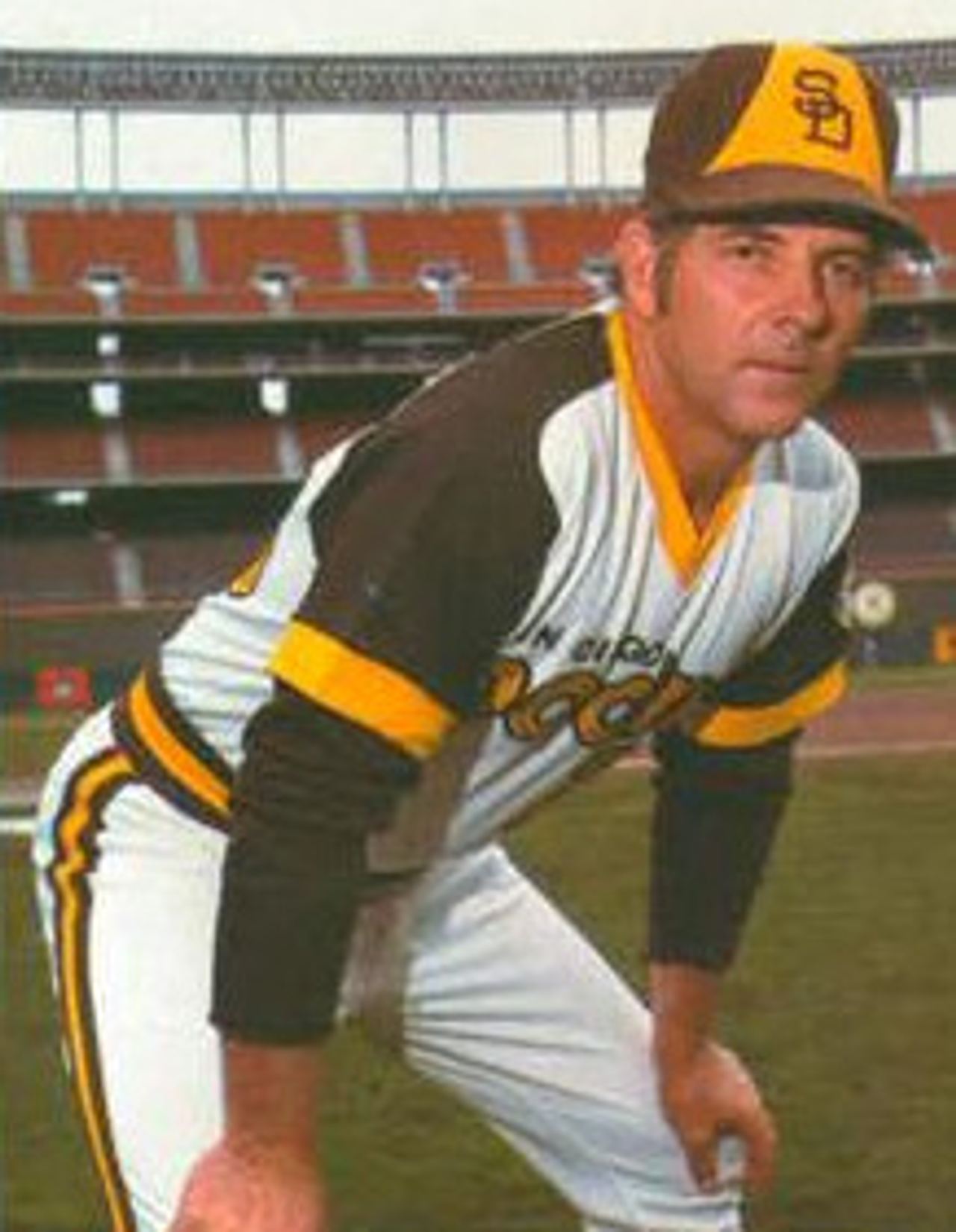
Quick Facts
- Subject: Don Williams
- Turning point year: 1971
- Group that ended: Pozo Seco Singers
- Fallback job considered: Furniture salesman
- Wife: Joy Bucher
- Nashville role: Staff songwriter for Jack Clement’s publishing company
Image credits: DJParker39 at English Wikipedia. / Wikimedia Commons / Public domain; Unknown authorUnknown author / Wikimedia Commons / Public domain; Unknown authorUnknown author / Wikimedia Commons / Public domain.

