
News
The Night Willie Nelson Defused a Texas Crowd for Charley Pride
Long before public statements about solidarity became common, one startling gesture on a Dallas stage helped clear a path for Charley Pride in country music.

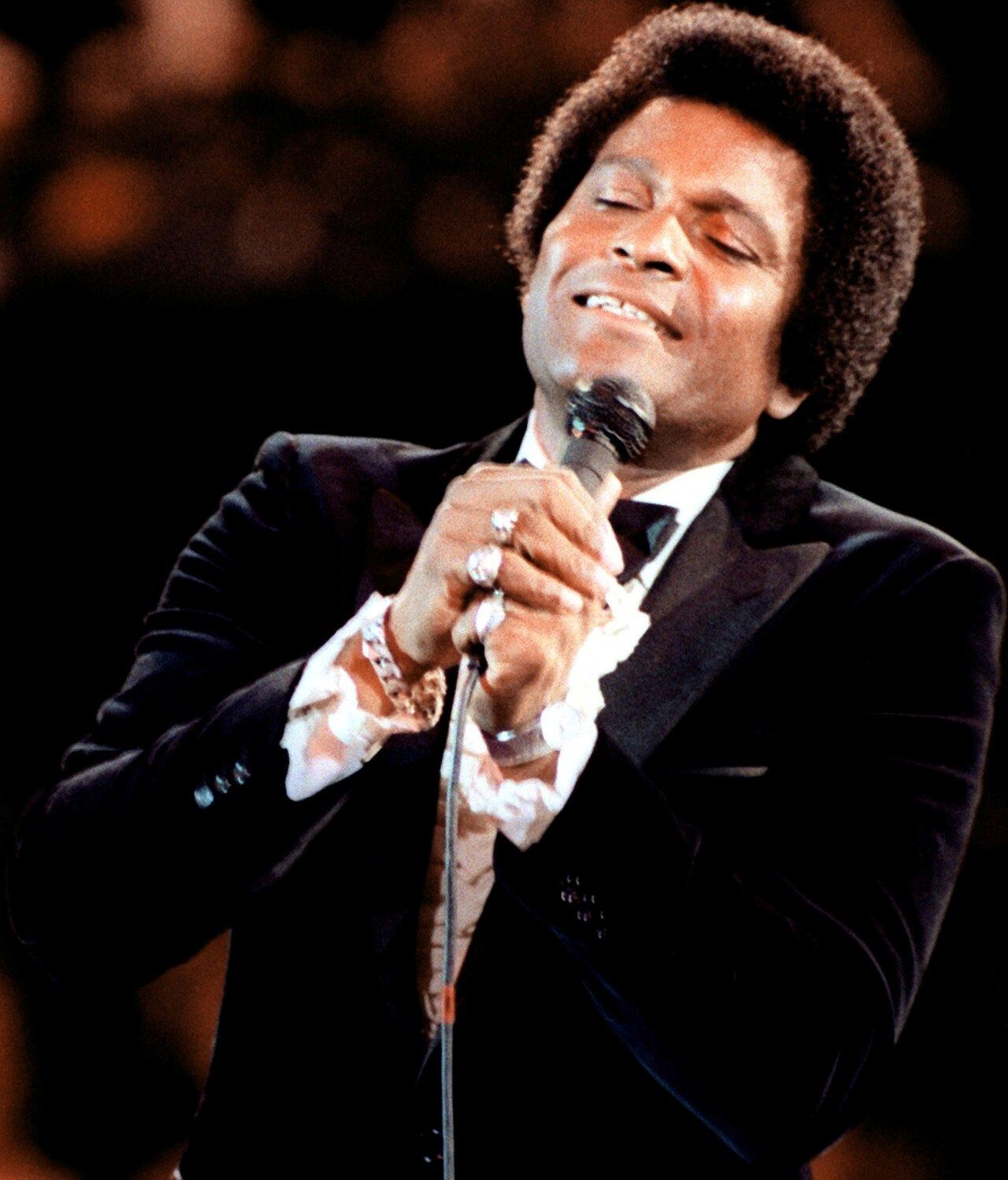
A Country Stage Could Be a Dangerous Place
In the 1960s, country music stages across Texas and the broader South were not neutral ground for a Black performer. The music may have been familiar, the instruments standard, the songs rooted in the same rural traditions, but the sight of a Black singer walking into a country venue could trigger disbelief, suspicion, or outright hostility before a note was played.
That was the atmosphere Charley Pride entered as he began touring southern rooms where audiences were often unprepared, and in some cases unwilling, to accept him as a country artist. The challenge was not simply winning over listeners with talent. It was surviving the silence, the stares, and the murmurs that greeted his very presence under the lights.
The Big D Jamboree Moment
One of the most charged scenes unfolded at the Big D Jamboree in Dallas, a major country showcase where nerves were already stretched before Pride’s set began. Promoters worried about how the room would react. Pride stood onstage with an acoustic guitar, exposed to the full gaze of a crowd whose mood had turned uneasy.
The tension was audible. Before he could begin, the hall was alive with the low hum of doubt and recognition spreading through the seats. It was the kind of moment that could quickly harden into mockery or worse, leaving the performer alone to absorb the blow.
Hearing the uneasy hum from the seats, Willie Nelson walked out, wrapped both arms around Charley Pride, and kissed him on the mouth in front of the crowd.
Willie Nelson’s Instant Intervention
Willie Nelson did not answer the room with a speech. He did not bargain with the audience or ask them for patience. Instead, he crossed the wooden floorboards from the wings and made a gesture so bold, affectionate, and impossible to misread that it stopped the room cold.
The embrace was public and deliberate. Nelson smiled toward the floor and refused to retreat into explanation. In a culture where masculinity, race, and belonging were all being policed in real time, the act carried a force larger than any introduction. It said Pride was not a novelty, not an intruder, and not alone.
What the Silence Meant Afterward
The most dramatic change came in what happened next: the auditorium went quiet. Not the earlier hush of discomfort, but the silence of a crowd that had just been told, unmistakably, where one of its own stood. The atmosphere shifted from potential hostility to a different kind of attention.
Pride tightened his grip on the guitar, stepped to the microphone, and sang his set. In that instant, the burden on him changed. He still had to perform, still had to prove himself as every artist does, but the terms of the room had been altered. Nelson’s gesture had created space for the music to be heard.
A Friendship Built on Stages, Not Statements
The episode became more than a memorable backstage tale. It marked the beginning of a friendship that lasted for more than half a century, a bond shaped less by grand declarations than by shared work, mutual respect, and the ordinary intimacy of musicians who kept appearing on the same circuit.
That matters because country music has often preserved its most revealing history not in official pronouncements but in touring stories, dressing-room loyalties, and small acts of courage carried out in public. Pride’s rise would eventually take him to the top of the genre, including the very kinds of venues that had once questioned whether he belonged there at all.
Why the Story Endures
Some of the finest details from that first Texas run remain hazy: the private conversations backstage, the exact sequence of who said what, the full measure of how peers rallied around Pride as he pressed forward. But the central image survives because it is so clear and so human. A performer in danger of being isolated was met with unmistakable solidarity.
The story endures not only because it reveals something about Willie Nelson’s instincts, but because it captures the pressure Charley Pride faced every time he walked onstage in that era. His eventual success was built on talent, discipline, and persistence. Yet on one fraught night in Dallas, it was also helped by a friend who understood that a single gesture, made at exactly the right moment, could change the entire room.
Quick Facts
- Subject: Charley Pride and Willie Nelson
- Setting: Big D Jamboree in Dallas, Texas
- Era: 1960s
- Key moment: Willie Nelson embraced Pride onstage to defuse a hostile crowd
- Aftermath: Pride performed his set and the two men remained friends for decades
Image credits: GREG MATHISON / Wikimedia Commons / Public domain; Republic Country Club / Wikimedia Commons / CC BY 2.0; Republic Country Club / Wikimedia Commons / CC BY 2.0.

