
News
Bobby Darin’s 1959 Pop Triumph “Mack the Knife”
With “Mack the Knife,” Bobby Darin turned a grim stage ballad into a gleaming pop-swing showcase, revealing a new level of charisma, control, and adult sophistication.

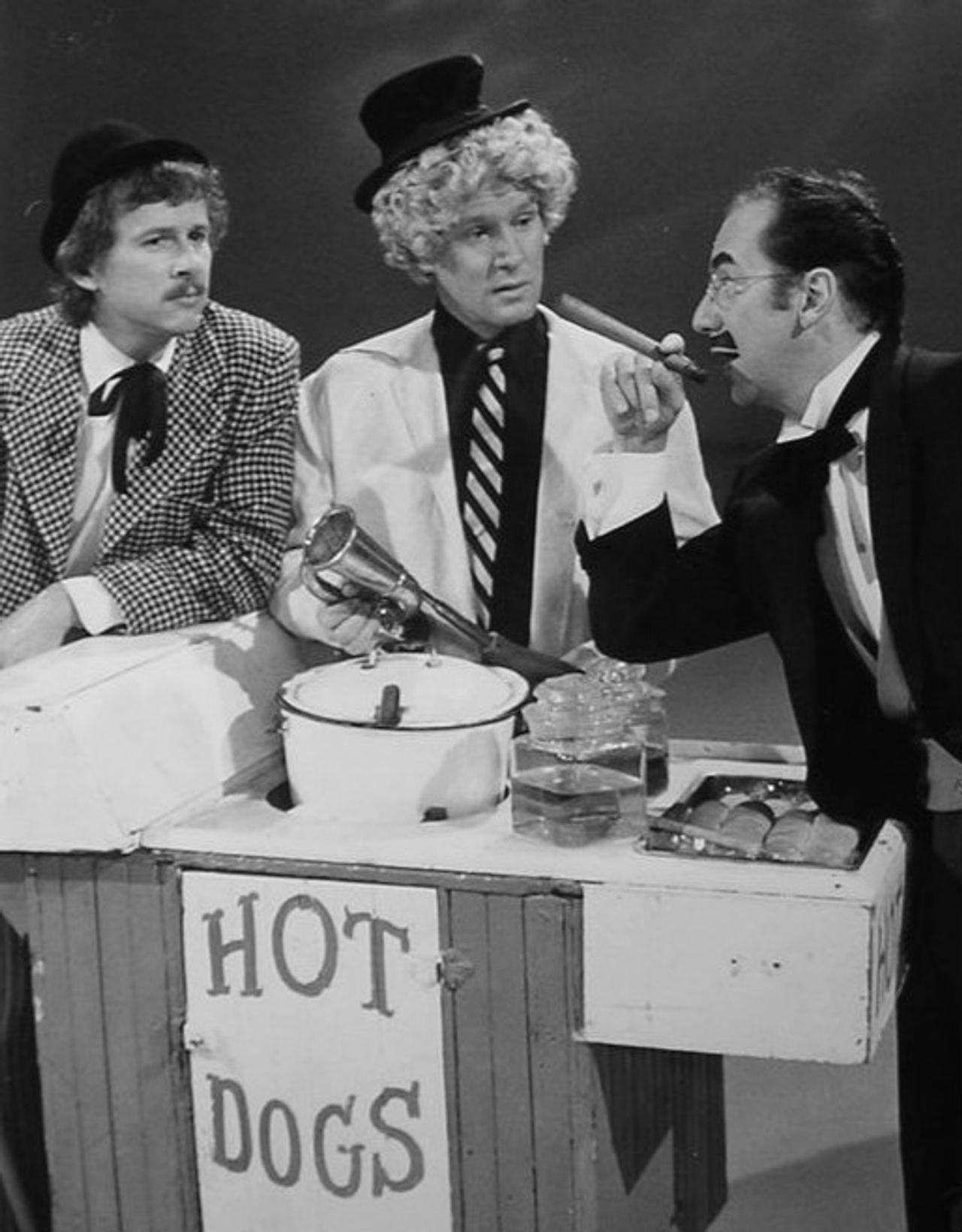
A dark ballad reborn as pop spectacle
On its face, “Mack the Knife” is an unlikely mainstream smash. The song tells of a charming predator, a smiling criminal moving through a world of bloodshed and fear. It began life not in the pop charts but on the stage, as “Die Moritat von Mackie Messer” in Bertolt Brecht and Kurt Weill’s 1928 The Threepenny Opera, where its bite was part of a broader social satire.
What Bobby Darin did in 1959 was both bold and precise. He did not soften the song’s darkness so much as frame it differently, wrapping menace in polish, swing, and easy confidence. The result was thrilling rather than solemn: a performance that let listeners enjoy the sheen of a nightclub classic even as the lyric traced the outline of something sinister.
Bobby Darin transformed a dark theatrical song into a dazzling pop performance and one of the defining records of his career.
From Brecht and Weill to American popular song
The route from German theater to American pop culture was already underway before Darin claimed the song as his own. Brecht and Weill’s original creation had a sharp, theatrical purpose, introducing a dangerous figure with a melody memorable enough to travel far beyond the play itself.
In the United States, Louis Armstrong helped popularize an English-language interpretation, showing that the tune could live outside its original dramatic setting. By the time Darin recorded it, “Mack the Knife” had already proved unusually adaptable: literate but catchy, grim but oddly buoyant, theatrical but flexible enough for the language of jazz and popular entertainment.
The song that changed how audiences heard Bobby Darin
Before “Mack the Knife,” Darin was closely associated with youthful, high-energy hits such as “Splish Splash.” Those records established him as lively, witty, and commercially sharp, but they did not necessarily mark him as a singer of cosmopolitan poise. “Mack the Knife” changed that perception in a hurry.
Here was Darin stepping into a more mature identity: not merely a pop hitmaker, but a sophisticated swing and nightclub vocalist. He sounded relaxed and commanding, a performer fully aware of timing, phrasing, and mood. The record widened his image and made clear that his talent extended far beyond teen novelty and rock-era exuberance.
Why the performance works so brilliantly
A great deal of the record’s power lies in its contrast. The lyric is macabre, but Darin sings with extraordinary confidence and charm. That gap between content and delivery is exactly what makes the recording so irresistible. He never overplays the horror; instead, he glides through it with a smile in his voice, making the listener complicit in the pleasure of the performance.
The arrangement strengthens that effect by repeatedly increasing its intensity. It builds rather than sits still, each return feeling a little bigger, a little brighter, a little more assured. Darin rides that momentum expertly, using swing rhythm and crisp articulation to turn a grim narrative into a showpiece. It is a balancing act between elegance and danger, and the tension never stops sparkling.
Charm, menace, and the nightclub imagination
Part of “Mack the Knife”’s enduring fascination is that it captures a very specific kind of mid-century performance glamour. This is not realism; it is stylization. The song conjures tuxedos, spotlights, polished orchestration, and the seductive authority of a singer who can make even the darkest material sound debonair.
That sensibility suited Darin perfectly. He understood that the song’s danger was heightened, not diminished, by understatement and polish. Rather than treating the material as heavy drama, he made it dance. The violence remained in the lyric, but the performance invited audiences to admire the control with which he delivered it. In that paradox lies the record’s distinctive magic.
A defining record in a versatile career
In retrospect, “Mack the Knife” stands as one of the defining records of Bobby Darin’s career because it crystallized so many of his strengths at once. It showcased his adaptability, his instinct for repertoire, and his ability to bridge pop accessibility with older traditions of swing and cabaret-style storytelling.
Just as importantly, it demonstrated how a singer can transform a song without betraying its origins. Darin did not erase Brecht and Weill’s darkness; he refracted it through American pop sophistication. That achievement helps explain why the recording still feels so vivid. It is not simply a hit version of a famous song. It is a performance that reintroduced Bobby Darin to the public as a far more expansive artist than many listeners had realized.
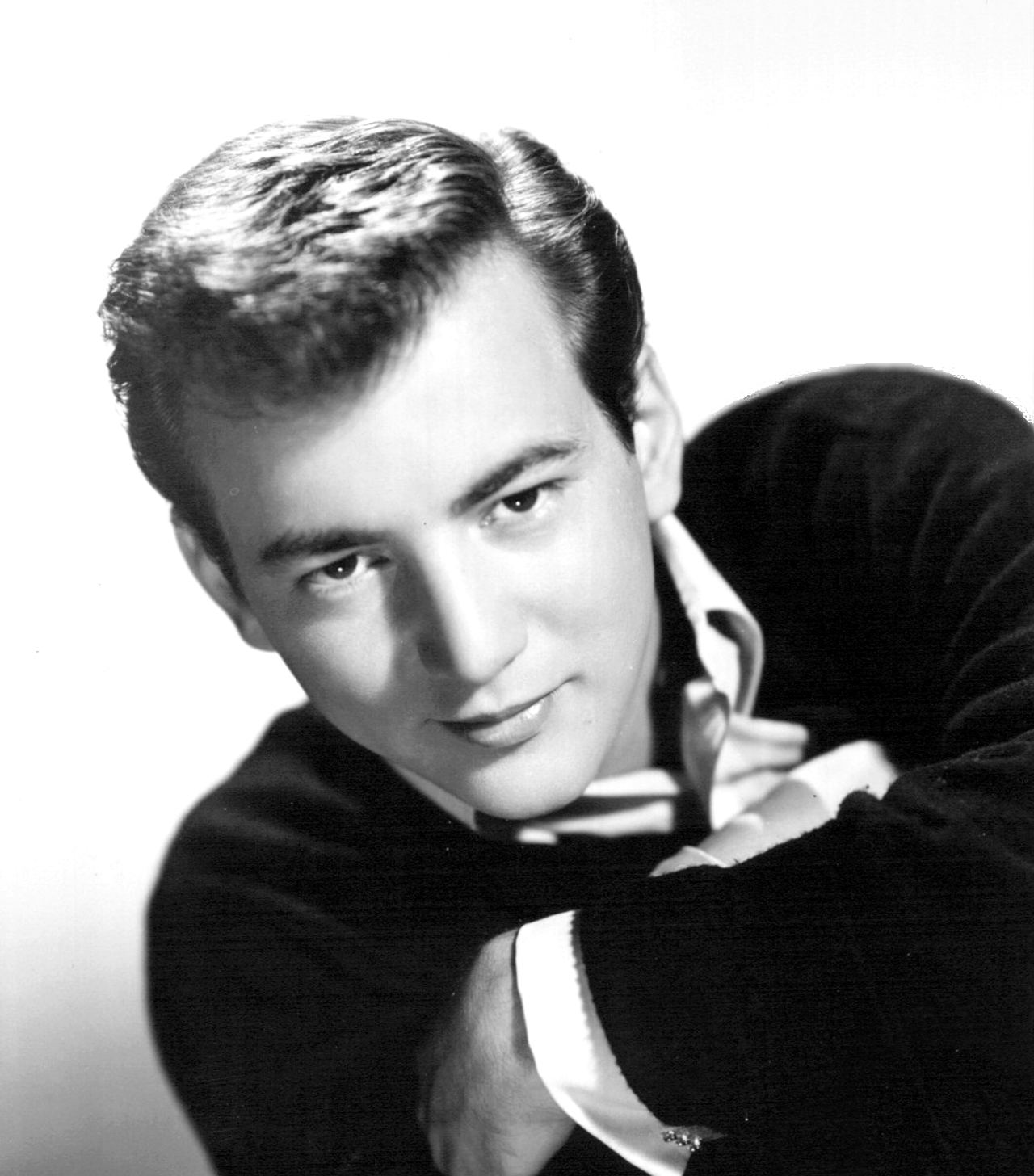
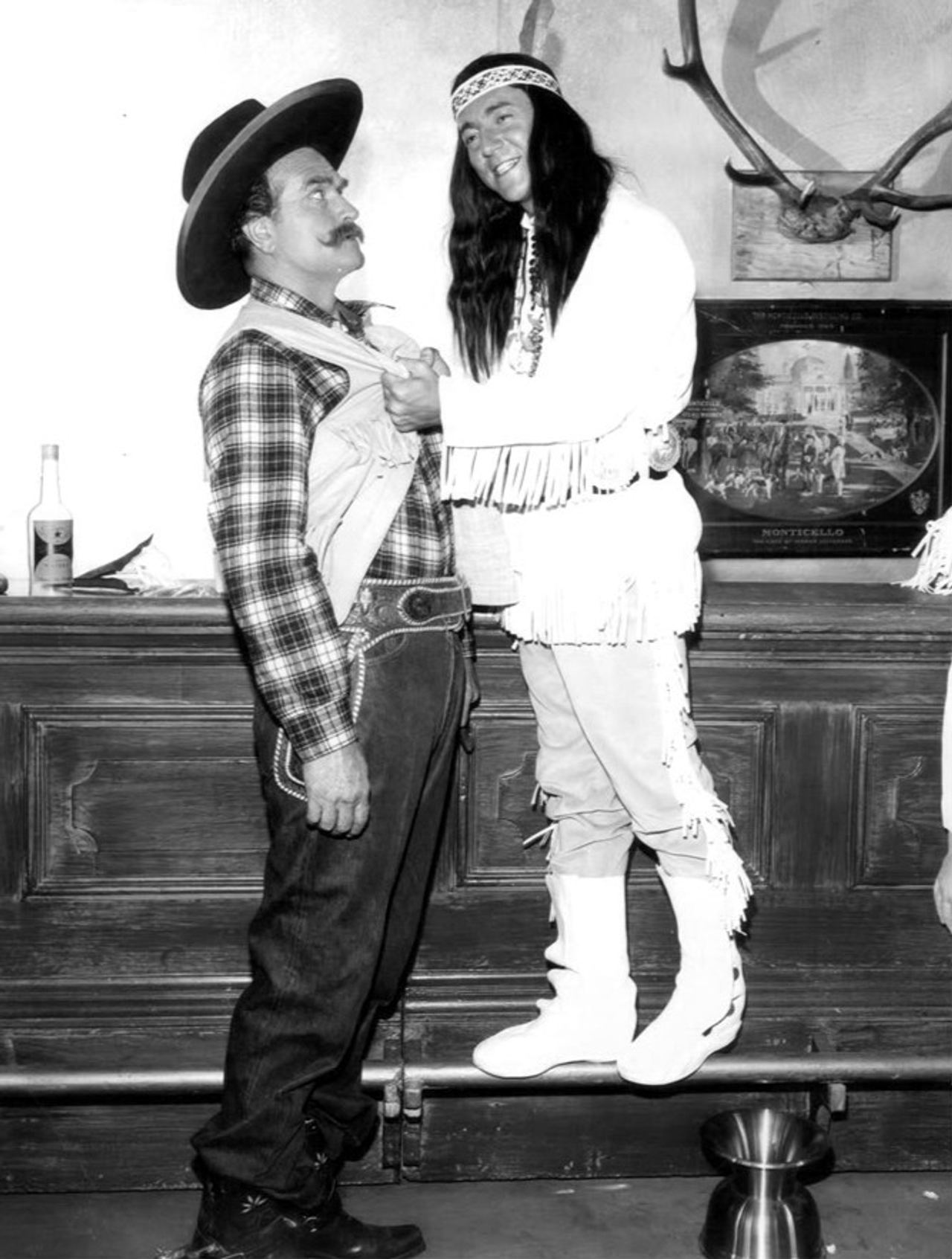
Quick Facts
- Song: “Mack the Knife”
- Performer: Bobby Darin
- Breakthrough year for this version: 1959
- Origin: “Die Moritat von Mackie Messer” from Bertolt Brecht and Kurt Weill’s The Threepenny Opera
- Earlier American popularizer: Louis Armstrong
- Why it mattered: It revealed Darin as a sophisticated swing and nightclub vocalist
Image credits: NBC Television Uploaded by We hope at en.wikipedia / Wikimedia Commons / Public domain; General Artists Corporation (management)/photographer: “Bruno of Hollywood” / Wikimedia Commons / Public domain; CBS Television / Wikimedia Commons / Public domain.

