
News
Joy Bucher and Don Williams: The Quiet Marriage Behind Country Music’s Gentle Giant
Long before fame found Don Williams, Joy Janene Bucher helped build the steady, private home life that remained the anchor of his career for nearly six decades.

Before the fame, a young couple in Texas
On April 10, 1960, Joy Janene Bucher married Don Williams at a point when neither public mythology nor music-business prestige had entered the picture. He was not yet the revered voice country audiences would come to know as “The Gentle Giant,” but a young Texan taking odd jobs, playing small clubs, and carrying his ambition in the modest form of a guitar and a rich, unforced baritone.
That beginning matters because it framed everything that followed. Their marriage did not emerge under stage lights or after success had already arrived; it was formed in ordinary circumstances, before the headlines, before the tours, and before the industry found a marketable identity for Williams. What they built together started as the kind of practical partnership that often goes unseen in music history, where the spotlight tends to erase the domestic labor that makes a career possible.
A home life kept deliberately separate from Nashville
As Don Williams rose to become one of country music’s defining voices, Joy remained firmly rooted at home. While his career expanded to include seventeen No. 1 country hits and international touring, she chose not to become a visible extension of the celebrity machine around him. There were no red carpets to chase, no television appearances to cultivate, no appetite for industry parties or the rituals of public image-making.
Instead, Joy preserved something rarer in an entertainment world built on access: distance. The household stayed outside Nashville’s promotional circles, and the family farm became the place where the bus stopped and the business remained outside the gate. In that choice was a clear philosophy. Fame could enter through the radio, the record sleeve, the concert hall—but it would not be allowed to reorganize the family’s private life.
Their farm was where the touring bus stopped and the business stayed outside the gate.
The steady center of the family world
Friends and family remembered Joy not as a supporting character in a celebrity story, but as the steady center of a domestic one. She raised the couple’s two sons and created the calm footing that those around Don Williams believed shaped the ease audiences heard in his singing. His style was famously unhurried, intimate, and reassuring; behind that public composure stood a home life designed to absorb noise rather than amplify it.
That sort of steadiness is easy to sentimentalize, but in long marriages it is usually practical before it is poetic. It means routines kept, children raised, disruptions managed, and a place maintained where a touring musician can return as a husband and father rather than a permanent performer. Joy’s gift, as those close to the family described it, was not theatrical devotion. It was consistency.
A marriage that outlasted the machinery of fame
The scale of Don Williams’s success could easily have altered the balance of their life together. Country stardom brings travel, pressure, schedules, and the strange demands of public identity. Yet their marriage endured across nearly six decades without the kind of public dispute that often becomes part of a famous artist’s biography. In their case, longevity itself became a statement—quiet, unadvertised, but unmistakable.
That endurance seems tied to the boundaries they kept. Joy did not attempt to compete with the career, and the career did not consume the household entirely. The distinction between stage life and home life remained meaningful. Rather than becoming a brand, their marriage stayed what it had been from the beginning: a private commitment lived in ordinary rhythms, even as the man at its center became internationally known.
Loss, eighteen months apart
When Don Williams died in September 2017 at the age of seventy-eight, the loss marked more than the passing of a country music star. It also left a profound absence in the intimate world the couple had guarded for decades—an empty chair on the porch, as the image is often remembered, and a silence in the place that had defined their shared life more deeply than any stage ever could.
Joy survived him by only eighteen months, passing away on March 18, 2019. In her family obituary, the emphasis was telling. Those closest to her did not center industry milestones or celebrity associations. They spoke instead of her devotion to her children, grandchildren, and the husband she had loved since youth. It was a final reflection of the life she had chosen: family first, public recognition second, if at all.
Why Joy’s story remains part of Don Williams’s legacy
Don Williams’s musical legacy is secure in the songs, the chart-topping hits, and the unmistakable gentleness of his voice. But any full portrait of that legacy also includes the life that made such steadiness sustainable. The early struggles in Portland, the routines of the farm, and the fiercely protected domestic world were not incidental background details. They were part of the architecture that supported the artist.
Joy Bucher’s story endures because it offers a counterpoint to familiar fame narratives. Here was a marriage that did not seek attention, a spouse who resisted the gravitational pull of celebrity, and a household that treated privacy not as withdrawal but as a form of strength. In the story of Don Williams, that quiet strength is not peripheral. It is foundational.
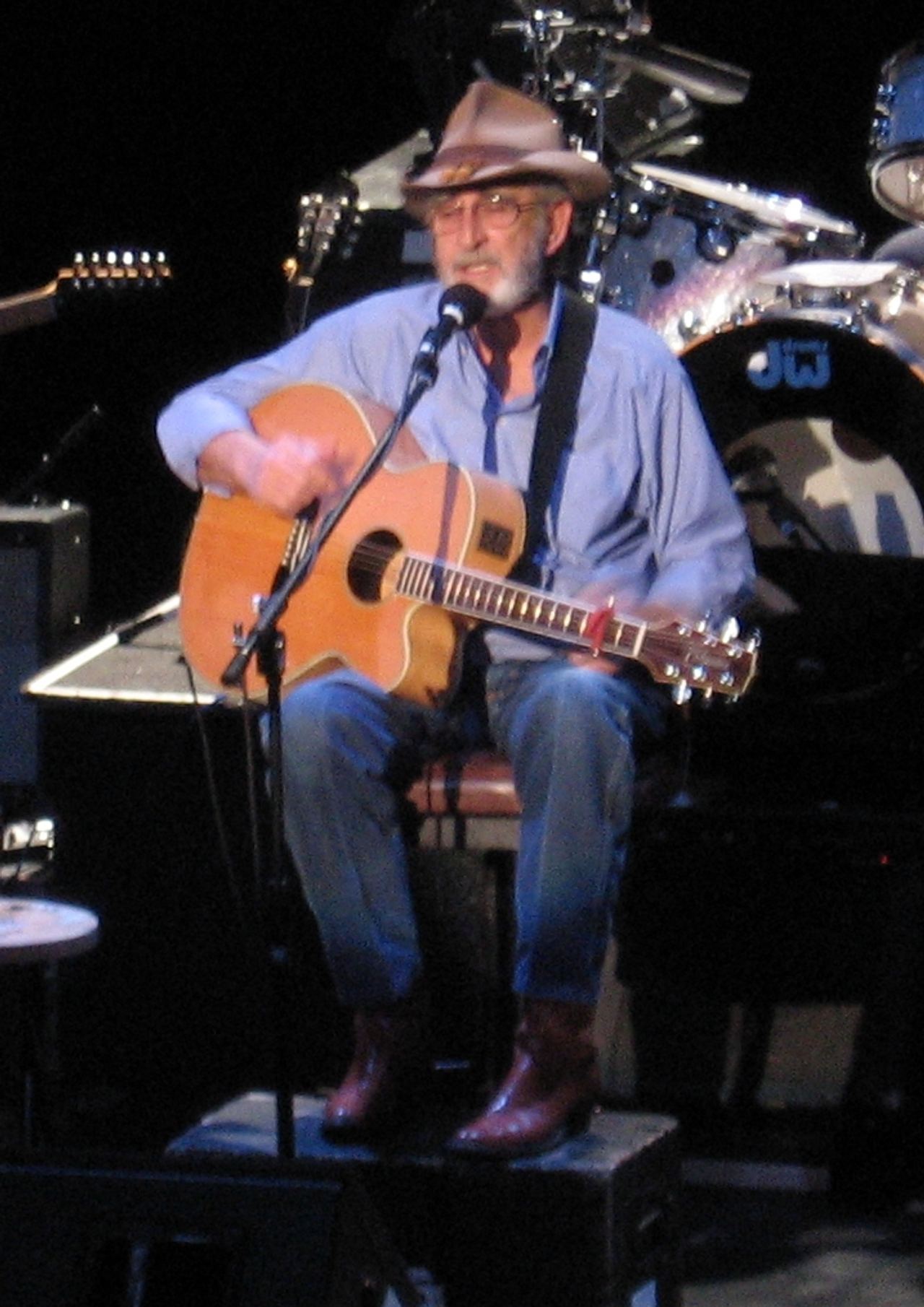

Quick Facts
- Full name: Joy Janene Bucher
- Spouse: Don Williams
- Marriage date: April 10, 1960
- Children: Two sons
- Don Williams died: September 2017, age 78
- Joy Bucher died: March 18, 2019
- Marriage length: Nearly 59 years
Image credits: Wikimedia Commons / Public domain; DJParker39 at English Wikipedia. / Wikimedia Commons / Public domain; Unknown authorUnknown author / Wikimedia Commons / Public domain.

