
News
Why Don Williams Walked Away Quietly in 2016
When Don Williams announced his permanent retirement from the stage in March 2016, he did it with the same understated grace that had defined his career, choosing home, privacy and a few final recordings over a drawn-out public goodbye.

A retirement announced in a whisper, not a spotlight
In country music, the final act is often staged as a grand procession: farewell tours, commemorative posters, one last sweep through arenas and theaters. Don Williams chose the opposite. In March 2016, at age 76, he released a short statement saying he was retiring from live performance for good, offering a plainspoken explanation that sounded exactly like him: it was time to “hang my hat up.”
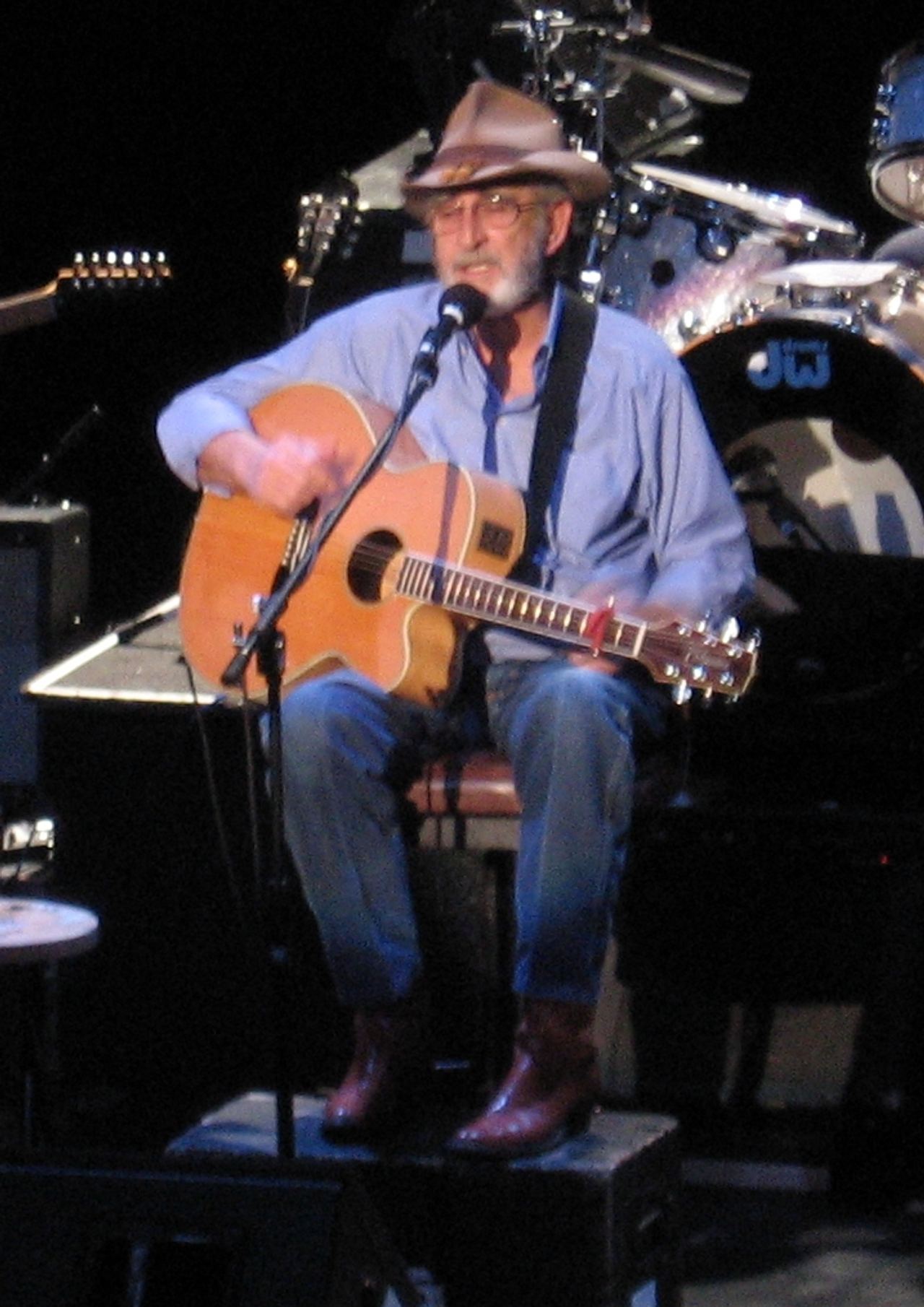
The phrase carried more weight than its simplicity suggested. Williams had spent decades on the road, and his hat was more than a familiar accessory. Along with his tall frame and measured delivery, it was part of a stage image that never needed theatrics to command attention. Saying he was hanging it up was a way of telling listeners that the life of travel, schedules, soundchecks and public expectation had finally run its course.
“It’s time to hang my hat up.”
The man behind the ‘Gentle Giant’ image
Williams was long known as the Gentle Giant, a nickname that fit both his physical presence and his artistic temperament. His singing never strained for effect. Instead, it settled into songs with warmth, restraint and a kind of emotional steadiness that made listeners lean in rather than brace for impact. That calm became his signature.
His retirement followed the same pattern. There was no attempt to turn departure into spectacle, no push to reframe his final season as a commercial event. The decision felt consistent with the artist audiences had known for years: a performer who made room for silence, who trusted understatement, and who seemed more interested in peace than in prolonging applause.
Why home mattered more than one last tour
By 2016, the demands of touring were no abstraction. Life on the road asks for constant movement, stamina and a willingness to live in public. For an artist in his mid-70s, even a beloved audience cannot erase the fatigue built into that cycle. Williams’ statement suggested a man who had weighed the costs and decided that the truest ending was also the simplest one: stop traveling, go home, and stay there.
That home was not just a retreat from work but a return to what grounded him. The pull of the farm, of familiar routines, of time shared with his wife Joy and close friends, represented a different kind of wealth than another year of ticket sales ever could. Rather than mark his exit beneath arena lights, Williams chose the privacy of rural life, protecting the boundaries he had always seemed to value.
A career ending in character
The most striking thing about Williams’ departure was how perfectly it matched the music that made him famous. His records had long offered listeners a form of emotional shelter: unhurried, uncluttered and deeply human. Fans came to him for steadiness, not spectacle. To leave the stage without a ceremonial final bow was, in its own way, a final expression of that artistic ethic.
In another performer’s hands, such a quiet exit might have seemed abrupt. With Williams, it felt deliberate and honest. He did not need a farewell campaign to validate the years behind him. The songs had already done that work. Retirement became less a public event than a private decision, one made on his own terms and in the same measured tone that had always set him apart.
The significance of his last studio work
Even as he prepared to step away from performing, Williams still had music left to finish. The final studio sessions he quietly completed before announcing retirement add an important dimension to the story of 2016. They suggest that he was not rejecting music itself so much as the physical and public strain of touring. Recording offered a more controlled space, one closer to his temperament than the relentless motion of the road.
That distinction matters. For artists of Williams’ generation, the studio can become a place of reflection rather than reinvention, a way to shape a final chapter without submitting to the machinery of a farewell tour. The fact that these sessions were completed quietly, without the noise of a promotional countdown, aligns with everything else about his exit: even in conclusion, Don Williams preferred craft over commotion.
What his quiet goodbye said to country music
Williams’ retirement also stood as a subtle rebuke to an industry that often treats endings as one more marketable narrative. By declining the expected ritual of the farewell tour, he reminded country music that legacy does not always require amplification. Sometimes the most powerful exit is the one that refuses to compete with the life’s work that came before it.
For fans, that may have made his departure feel more personal, not less. He did not summon them to a final spectacle; he left them with the songs and stepped back into the life he wanted. In that choice there was a kind of symmetry. After giving millions of listeners a sense of calm, the Gentle Giant claimed some for himself, trading the highway for the farm and the public gaze for the quiet he had earned.
Quick Facts
- Artist: Don Williams
- Retirement announcement: March 2016
- Age at retirement: 76
- Known as: The Gentle Giant
- Reason he gave: It was time to “hang my hat up”
- What he chose instead of a farewell tour: A permanent return home and away from the road
Image credits: Wikimedia Commons / Public domain; DJParker39 at English Wikipedia. / Wikimedia Commons / Public domain; Unknown authorUnknown author / Wikimedia Commons / Public domain.

