
News
Peggy March’s “I Wish I Were a Princess”: The Charming 1963 Follow-Up That Outlived Its Moment
Released as Peggy March’s next move after the smash success of “I Will Follow Him,” “I Wish I Were a Princess” captured the innocence and ache of early-’60s pop, then found an unexpected afterlife decades later through Hairspray.

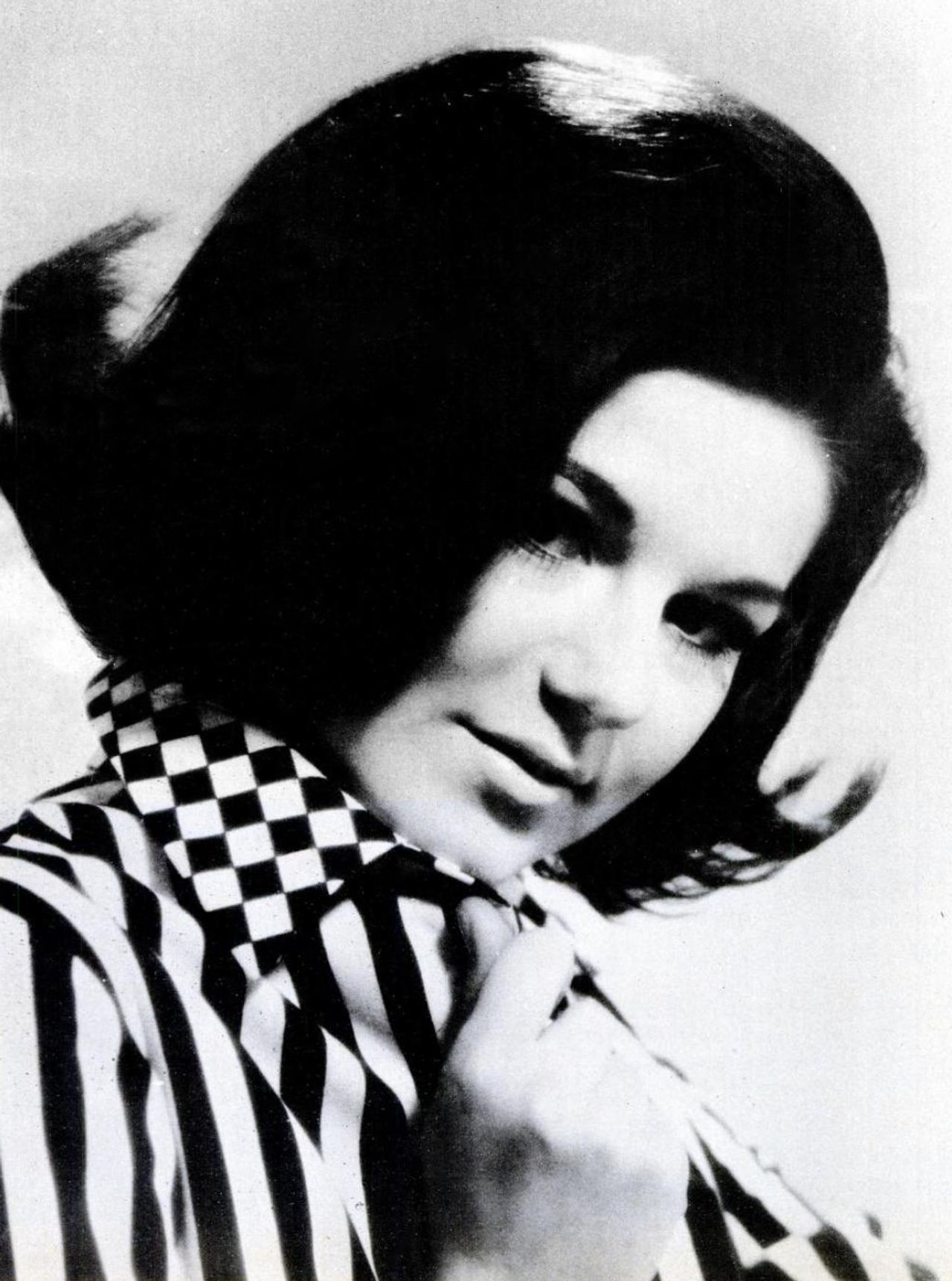
The song that had to follow a sensation
In 1963, Peggy March faced the kind of problem most young singers would gladly take: how do you follow a record-breaking No. 1? “I Will Follow Him” had made the teenage singer a star, and the next release arrived in the middle of that sudden transformation. “I Wish I Were a Princess” did not try to out-shout its predecessor. Instead, it leaned into romance, vulnerability and the polished pop craftsmanship that defined the era.
That choice is part of what makes the record so memorable. Rather than repeat the urgent drive of the hit that came before it, the follow-up offered a softer fantasy, built around longing and daydreams. It sounded like a record made for transistor radios, teen magazines and after-school reverie: intimate enough to feel personal, but bright enough to fit neatly into the mainstream pop world of the early 1960s.
“I Wish I Were a Princess” is the sound of a young star stepping out from behind a blockbuster hit and showing a gentler kind of appeal.
A teenage voice at the center of early-’60s pop
Peggy March was still remarkably young when these records were being made, and that youth mattered to the emotional effect of the song. Her voice carried the clean, sincere tone that made so much early-’60s pop resonate with young listeners. On “I Wish I Were a Princess,” she sounded neither theatrical nor aloof. She sounded like someone confiding a fantasy with complete conviction.
That quality helped define her appeal. The song’s central idea is simple and instantly legible: wishing for transformation, wishing for romance, wishing for a storybook ending. In lesser hands, that premise might have become too cute to survive. March gave it a believable center, keeping the performance poised and sweet without draining it of feeling.
The songwriting team behind the record
The song came from an elite Brill Building-adjacent songwriting lineage: Hugo Peretti, Luigi Creatore and George David Weiss. As writers, the trio knew how to construct concise, emotionally direct pop records that could connect quickly. Their work on “I Wish I Were a Princess” shows a knack for shaping a fantasy into something radio-friendly and emotionally clear.
Peretti and Creatore, credited as Hugo & Luigi, also produced the track for RCA Victor. That production touch is crucial to its enduring charm. The arrangement supports the vocal rather than overwhelming it, keeping the record light on its feet. It belongs unmistakably to its period, yet its craftsmanship explains why listeners keep rediscovering it.
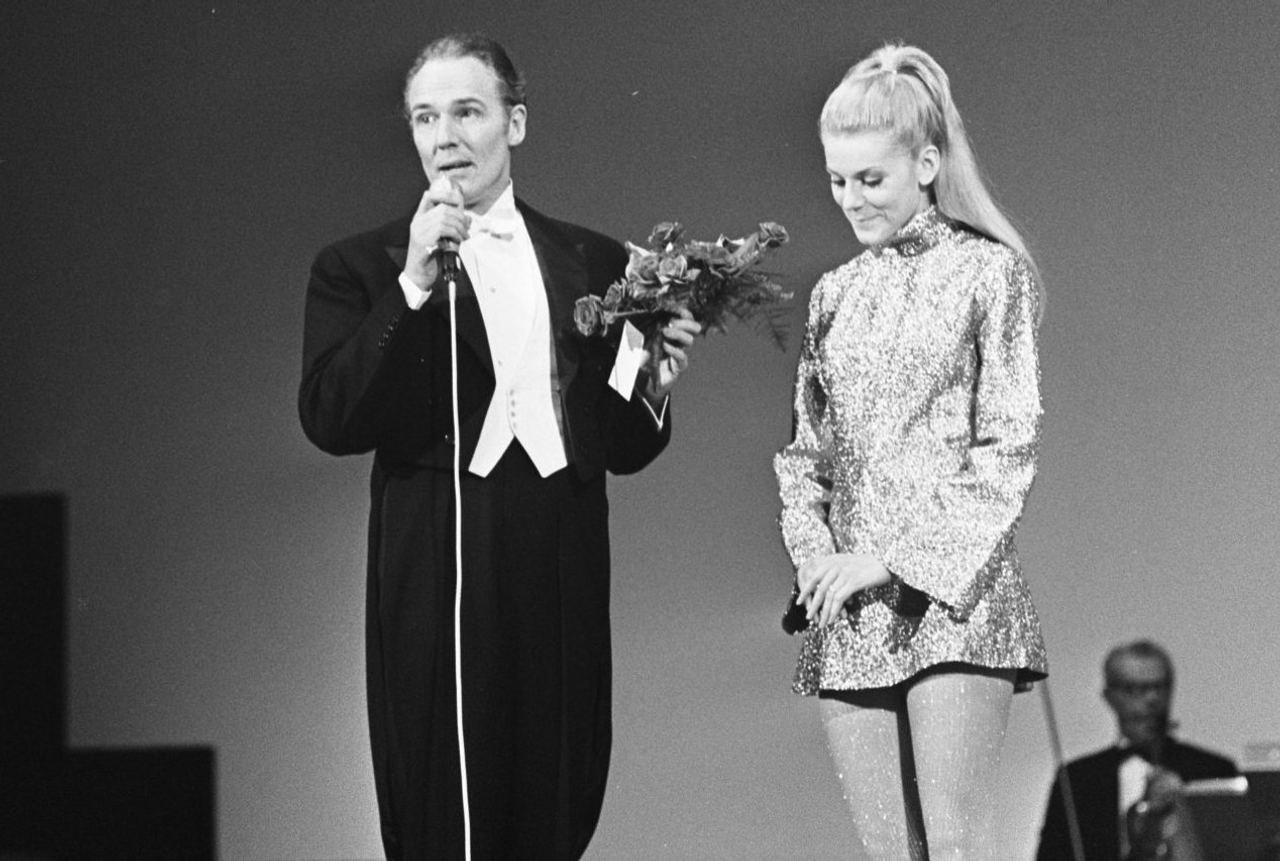
A Top 40 hit in its own right
Although it arrived in the shadow of a massive breakthrough, “I Wish I Were a Princess” was no mere footnote. The single reached the U.S. Top 40, a significant achievement for any follow-up release and especially notable when expectations were inflated by an earlier chart-topping success.
That showing says something important about the record’s immediate appeal. Audiences did not hear it simply as the next Peggy March single because there had to be one. They responded to it on its own terms. In the compressed, competitive pop marketplace of 1963, a song like this had to be catchy, emotionally legible and distinct enough to stand apart. It was all three.
From 1963 pop single to Hairspray-era revival
What gives “I Wish I Were a Princess” an especially interesting legacy is the way it later found a second cultural life through Hairspray. That afterlife reframed the song for new audiences, placing it within a lovingly stylized vision of early-’60s youth culture. In that context, its innocence, romanticism and compact pop sheen became features rather than relics.
Hairspray has long served as a bridge between the original teen-pop era and later generations fascinated by its fashions, sounds and social rituals. Songs like this endure because they carry more than melody; they carry atmosphere. “I Wish I Were a Princess” instantly evokes a world of dances, crushes, bedroom fantasies and polished AM-radio pop, which made it a natural fit for rediscovery.
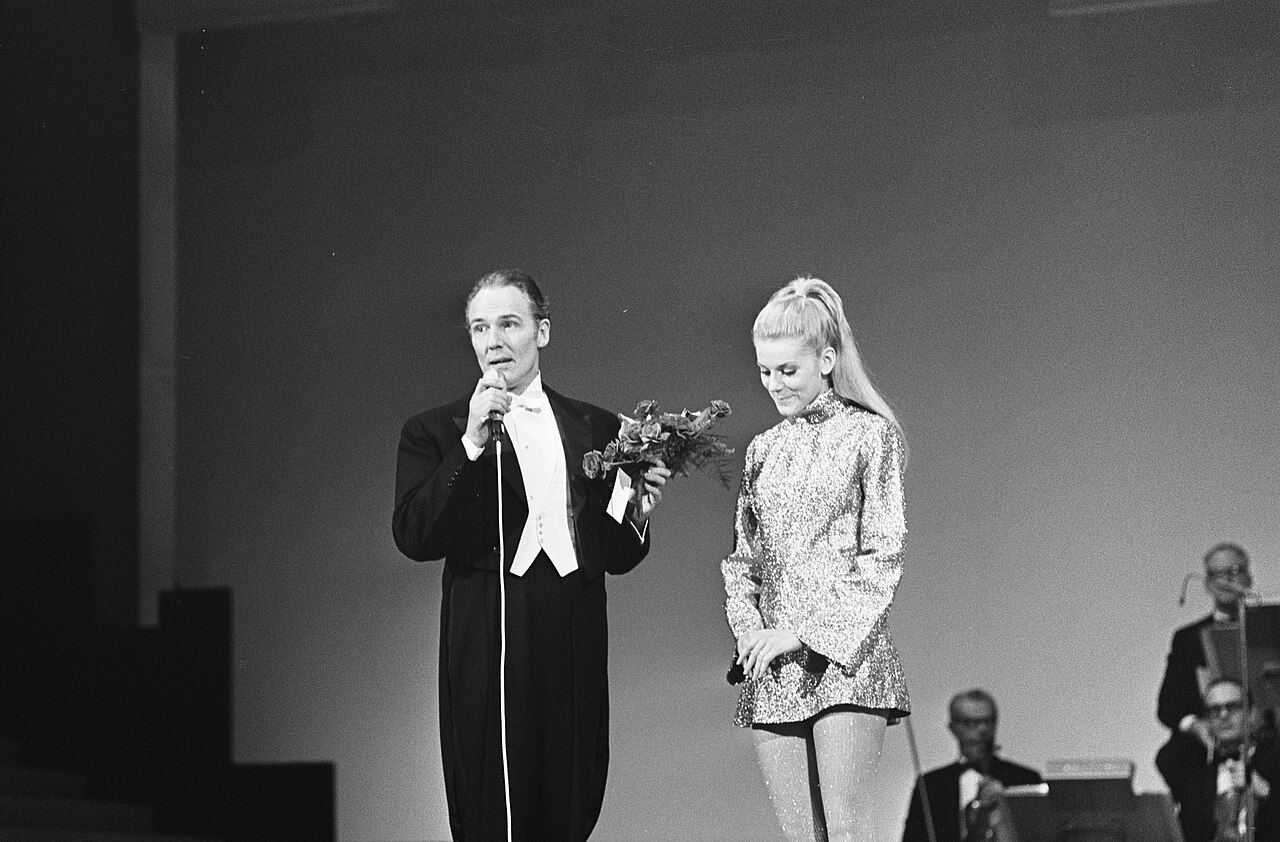
Why the song still feels fresh
There is a reason records like this survive beyond nostalgia. “I Wish I Were a Princess” works because its emotional premise is timeless. The language may be of its era, but the feeling is universal: the desire to be seen, adored and transformed by love. That emotional clarity remains legible even to listeners with no special investment in early-’60s chart history.
It also helps that the record is compact and graceful. There is no wasted motion in the writing or the performance. Peggy March delivers exactly what the song needs, and the production frames her with the kind of elegant restraint that can make a vintage pop single feel evergreen. Long after the chart battle that introduced it, “I Wish I Were a Princess” still plays like a small, shimmering keepsake from a golden age of teen pop.
Quick Facts
- Song: “I Wish I Were a Princess”
- Artist: Peggy March
- Released: 1963
- Context: Follow-up to Peggy March’s No. 1 hit “I Will Follow Him”
- Writers: Hugo Peretti, Luigi Creatore and George David Weiss
- Producer: Hugo & Luigi for RCA Victor
- Chart note: Reached the U.S. Top 40
- Later legacy: Found renewed cultural visibility through Hairspray
Image credits: RCA Victor / Wikimedia Commons / Public domain; Mieremet, Rob / Anefo / Wikimedia Commons / CC BY-SA 3.0 nl; Anefo / Wikimedia Commons / CC0.

