
News
How Dolly Parton Brought Her Family With Her
Before Dolly Parton became a singular American superstar, she was already turning family loyalty into opportunity, using television, touring and Nashville clout to help her brothers and sisters build lives in entertainment beyond the poverty they all knew in East Tennessee.

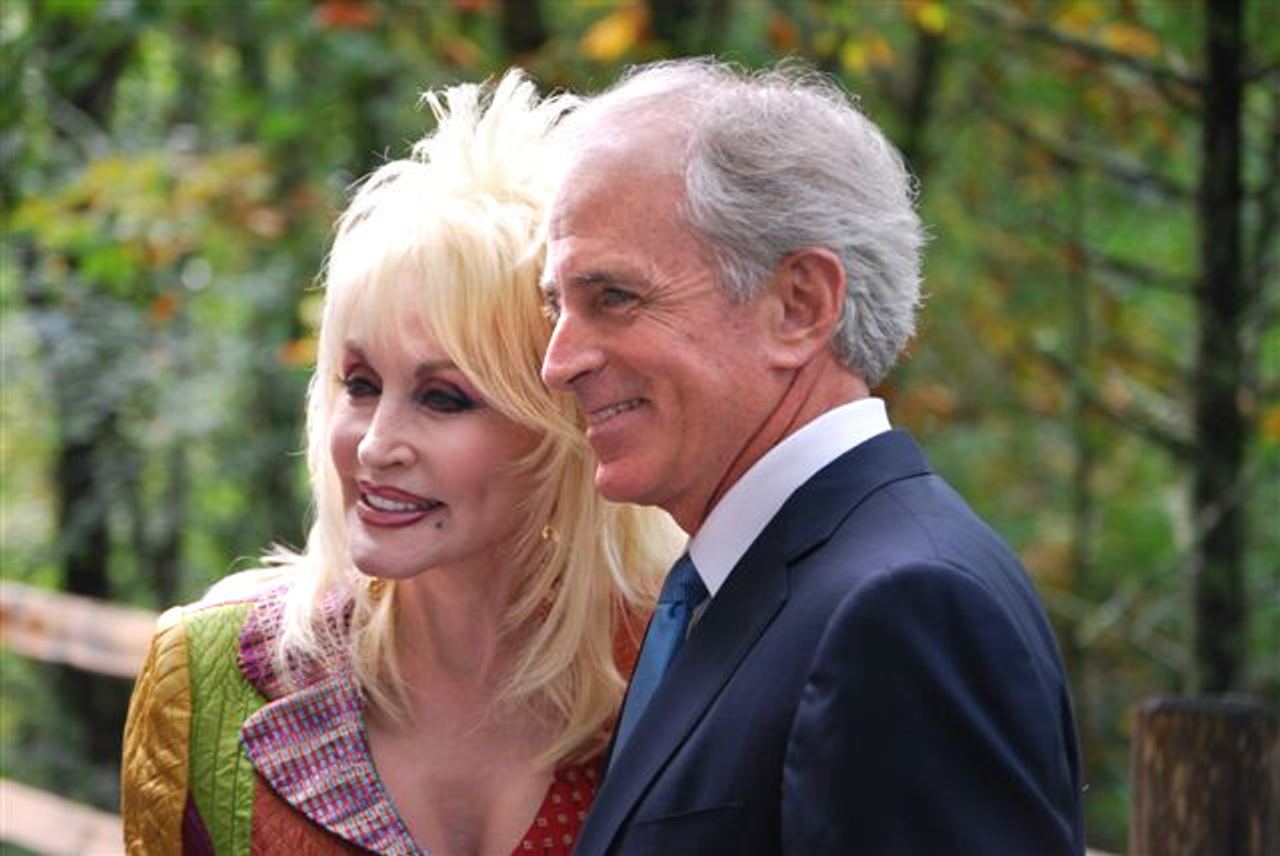
A star who never traveled alone
Dolly Parton’s rise has often been told as the story of one extraordinary talent leaving the Smoky Mountains and conquering country music, film and television. But from the beginning, her success was tied to a larger mission: if one Parton made it out, the others would not be left behind. In interviews across the years, Dolly has spoken openly about growing up in a large family in rural East Tennessee, where money was scarce, music was abundant and children learned early to rely on one another.
That instinct shaped her career as soon as she had the leverage to act on it. On her early television appearances and on national tours, she made room for younger siblings onstage, giving them not just exposure but training. The Parton family’s move from homemade music on front porches and in church settings to professional stages did not happen by accident. Dolly used her own momentum as a bridge, turning family harmony into a working model.
I wasn’t going to be the only one to get out and have a better life if I could help it.
From family harmony to Nashville doors
As Dolly’s career expanded, so did her ability to open doors in Nashville. That mattered in an industry where introductions, trust and timing could determine whether a singer ever got a hearing. She helped family members secure recording opportunities, lent credibility to their early projects and, just as importantly, offered the kind of practical support that only someone inside the system could provide.
Her help was not abstract. She sang backup on family recordings, adding both polish and a quiet stamp of approval. The collaboration with her brother Randy Parton became especially visible when the two recorded a charting duet, proof that these were not merely sentimental appearances by relatives but genuine commercial efforts. Dolly’s name brought attention, but the goal was always to help her siblings build names of their own.
Knowing when to step in — and when to step back
One of the clearest examples of Dolly’s family-first approach came in television. When she was unable to continue in the small-screen adaptation of the hit film 9 to 5, she pushed for her sister Rachel Parton George to take over the role she had originated on screen. It was a practical decision, but also a revealing one. Dolly did not treat opportunity as something to hoard; she treated it as something that could be transferred, if the person stepping in was ready.
That distinction matters. Helping family in show business can easily slide into mere nepotism, but Dolly’s pattern was more nuanced. She offered a foundation, visibility and access, then allowed relatives to carry the work themselves. Rachel’s casting showed that Dolly understood both sides of mentorship: creating an opening and then getting out of the way so someone else could stand in the light.
Stella and Randy find their own lanes
Among the Parton siblings, Stella Parton became the clearest example of an independent path. Though her sister’s support helped create early visibility, Stella developed as an artist in her own right and went on to score her own country hits. Her career demonstrated that the family network Dolly nurtured was not meant to produce copies of Dolly, but to give each sibling a chance to test a distinct public identity.
Randy Parton likewise moved beyond the role of younger brother in a famous family. In addition to recording, he eventually became associated with his own theater at Dollywood, a symbol of how the family’s artistic life had evolved from survival to enterprise. The image is striking: a family once defined by hardship in the mountains becoming part of a branded entertainment world of theaters, theme-park stages and professional productions.
The emotional center of the Parton story
What makes these collaborations resonate is not simply that Dolly helped relatives find work. It is that her efforts were rooted in a childhood where she had already acted as caretaker, older sister and example. In that sense, bringing siblings onto stages or into studios was less a celebrity gesture than an extension of responsibilities she had long felt. The family bond was not added to the career later; it was built into the career from the start.
That helps explain the enduring image of Dolly standing in the wings, watching brothers and sisters she once encouraged receive applause of their own. For a performer whose fame eventually reached global scale, these scenes point to a different definition of success. Stardom did not sever her from home. Instead, she repeatedly used it to re-create home inside the entertainment business, with room for multiple voices.
A family method that grew into a business model
The wider significance of those early family collaborations extends beyond touching anecdotes. They hint at how Dolly Parton’s modern entertainment empire was shaped: as a structure built not only on individual branding but on delegation, trust and the cultivation of talent around her. The instinct to bring family into the work, give them ownership and let them develop visible roles foreshadowed the broader way her enterprises would function.
That larger chapter in Parton family history is still worth fuller examination. Long before diversification became a corporate buzzword, Dolly was already building a networked version of success — music, television, live performance and family labor reinforcing one another. The rhinestones and marquee names came later. First came a sister who understood that making it meant more if the people on the porch could make the trip with her.
Quick Facts
- Subject: Dolly Parton and the Parton family
- Core theme: How Dolly used her early success to create opportunities for her siblings
- Key siblings mentioned: Stella Parton, Randy Parton, Rachel Parton George
- Notable TV link: Rachel Parton George took over Dolly’s role in the television adaptation of 9 to 5
- Music connection: Dolly sang backup on family projects and recorded a chart duet with Randy Parton
- Legacy angle: Early family collaborations foreshadowed the structure of Dolly’s wider entertainment business
Image credits: United States Congress / Wikimedia Commons / Public domain; Curtis Hilbun / Wikimedia Commons / CC BY 3.0; Moeller Talent, Inc. Nashville (management) / Wikimedia Commons / Public domain.

