
News
Before the Fame, Dolly Parton Was Already a Caregiver: How a Childhood of Raising Siblings Shaped Her Life’s Work
Long before she became a country icon, Dolly Parton learned to comfort babies, shoulder adult responsibility, and turn hardship in a Tennessee cabin into the protective instinct that later defined both her art and her philanthropy.

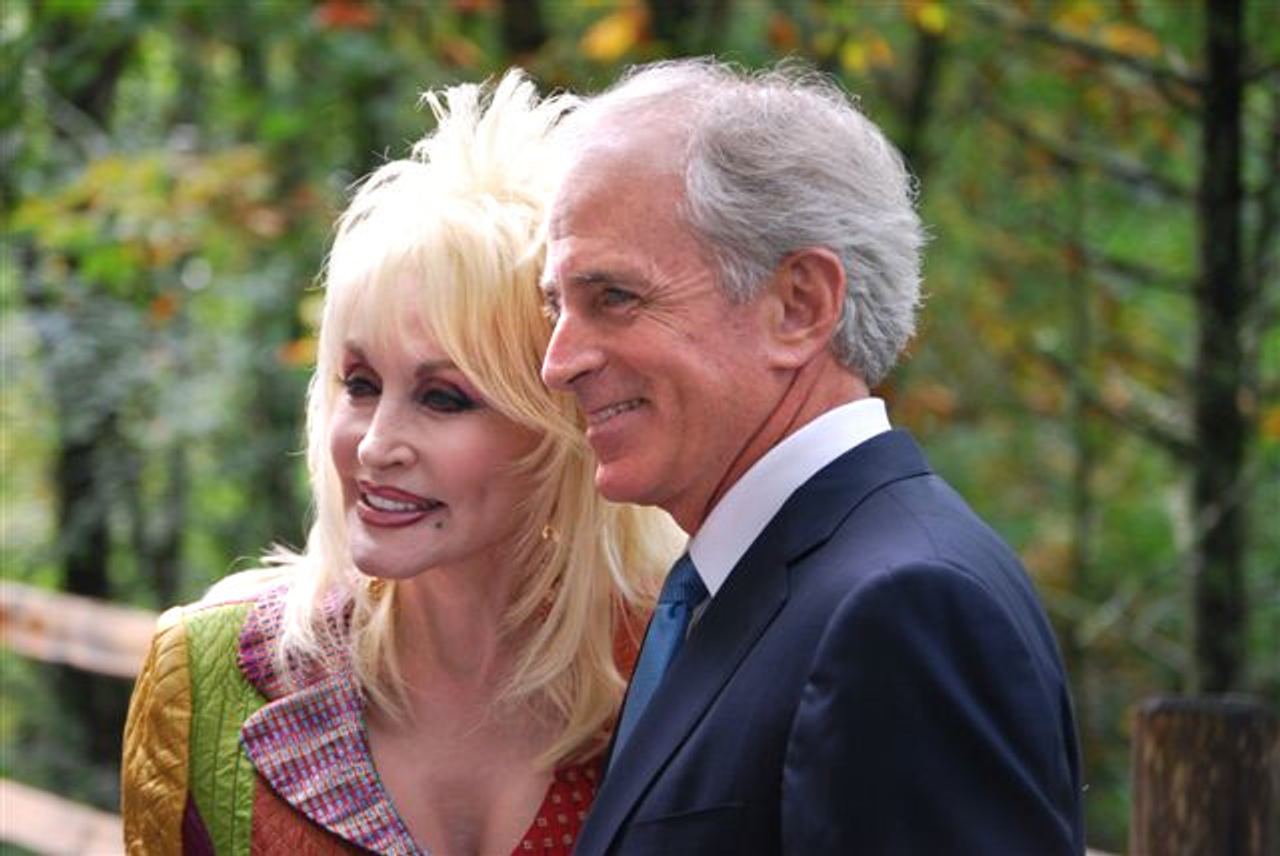
A childhood crowded with need
Dolly Parton’s origin story is often told through music: the mountains, the church, the voice that seemed to arrive fully formed. But before the rhinestones and recording studios, there was a packed household in rural Tennessee where survival dictated the rhythm of every day. Born the fourth of 12 children, she grew up in a family so large and so pressed by poverty that childhood and responsibility overlapped almost immediately.
In that one-room home in the Great Smoky Mountains, there was little space for anyone to remain only a child. Her mother’s repeated pregnancies and the demands of caring for a dozen children meant the older siblings were drawn into the work of keeping the family running. For Dolly, that meant laundry, cooking, tending younger children, and helping steady a household that was always full of motion, noise, and need.
When singing began as caretaking
The image is simple but revealing: a little girl trying to keep babies calm in a cold house, using the one tool always available to her—her voice. Before audiences, before radio, before records, Dolly Parton sang to soothe crying infants and to make a hard place feel warmer. Those early lullabies were not rehearsals for celebrity in any deliberate sense; they were acts of care.
Yet they also formed the earliest bridge between necessity and talent. In comforting siblings, she was learning something foundational about performance: that a song can change a room, quiet fear, soften loneliness, and hold people together. The children she rocked to sleep became, in the most intimate way possible, her first audience.
Those daily lullabies were more than music; they were a way of protecting the people she loved most.
A maternal bond that never disappeared
Parton has long spoken with unusual openness about not having biological children during her marriage to Carl Dean, but that fact sits alongside another truth: she had already spent much of her young life caring for children. The youngest siblings were not distant relatives in a family tree; they were babies she helped raise, comfort, and watch over. It is easy to see why she later described them in deeply maternal terms.
What stands out in her story is the absence of bitterness in the way she has framed those years. The labor was real, the deprivation was real, and the demands placed on her were enormous for a girl. But rather than treating that period as only a theft of childhood, she has often reflected on it as a source of purpose, tenderness, and emotional strength. The instinct to protect did not fade when she left home; it simply found larger stages and new forms.
How hardship fed the artist
Parton’s songwriting has always carried a striking mix of plainspoken honesty and emotional generosity, qualities that make more sense when viewed against her early life. Growing up in scarcity trained her to notice details others might miss: the fatigue in a mother’s body, the sound of a restless child, the fragile dignity inside a struggling household. Those observations would later become the raw material of a writer able to make intimate lives feel universal.
Her rise to country stardom can look dazzling from a distance, but the deeper foundation of that success was laid much earlier. Discipline, resilience, and responsiveness were built into her from the start. She had already learned that showing up mattered, that other people depended on steadiness, and that creativity could be practical as well as beautiful. In her world, singing was never just decoration; it was useful, even necessary.
From family care to public mission
The same protective instinct that once operated inside a one-room cabin would later expand into one of the most admired philanthropic efforts associated with any entertainer. Dolly Parton’s work for children’s literacy, especially through her Imagination Library, reflects a worldview shaped by early caregiving: children need attention, tools, reassurance, and a sense that someone is looking out for them.
Books, in that sense, became another version of the comfort she once offered through song. Where lullabies soothed immediate distress, literacy work aims at a longer horizon—confidence, opportunity, and imagination. The through line is unmistakable. Parton did not simply build a brand around warmth and generosity; she translated deeply rooted instincts into a practical, far-reaching system of care for families she would never meet.
The real foundation of the Dolly Parton legend
It is tempting to explain Dolly Parton’s enduring power through charisma alone: the voice, the wit, the visual iconography, the songs that crossed generations. But that reading misses the deeper architecture of her appeal. What audiences have responded to for decades is not just glamour or talent, but a sense of emotional reliability. She projects someone who understands struggle without being defined by it, and who can turn private hardship into public comfort.
Seen this way, the story of Dolly Parton is not only the story of a superstar who came from humble beginnings. It is the story of a girl who learned early how to keep others warm, calm, and hopeful—and then spent the rest of her life scaling that impulse far beyond her own family. The empire came later. The instinct came first.
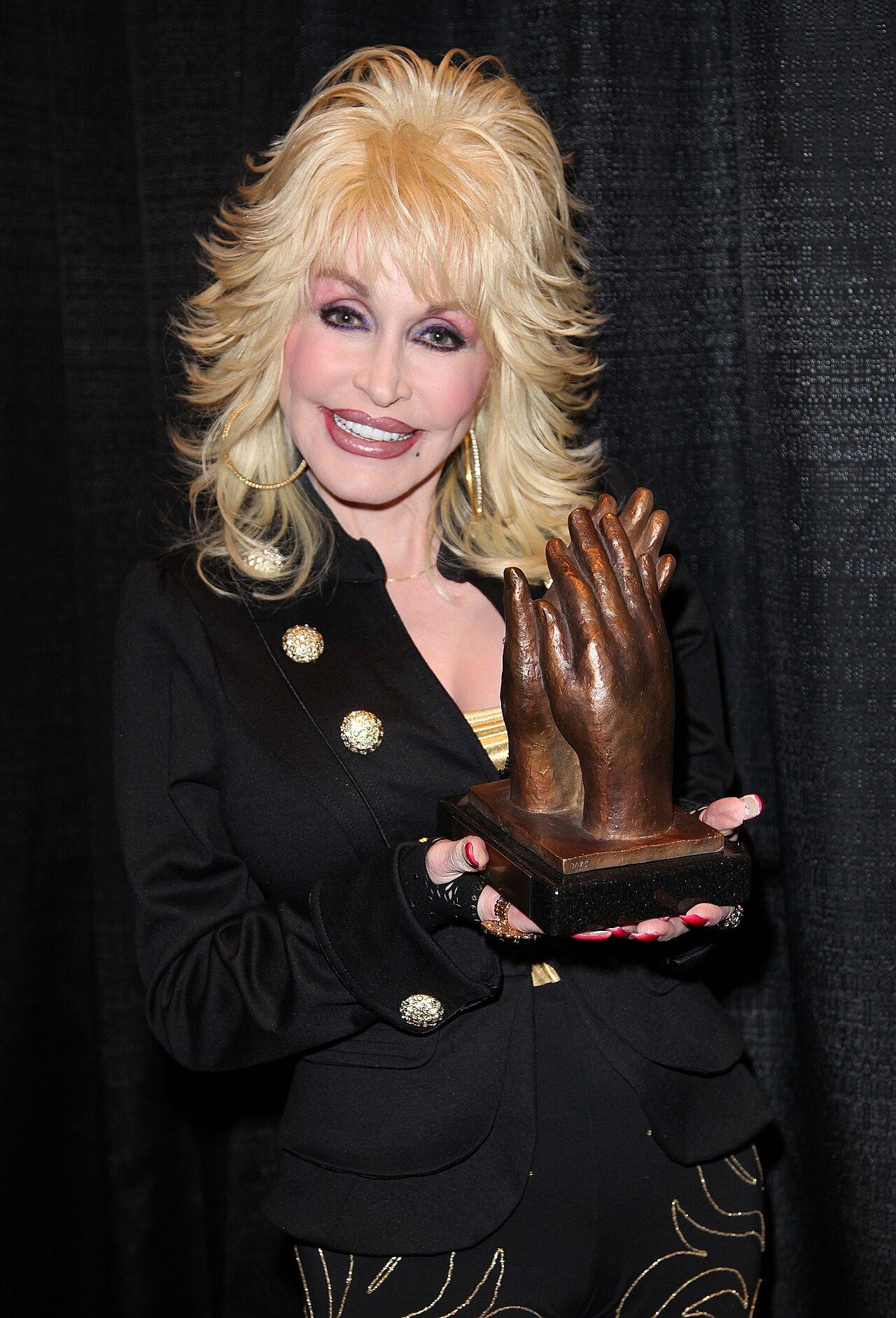
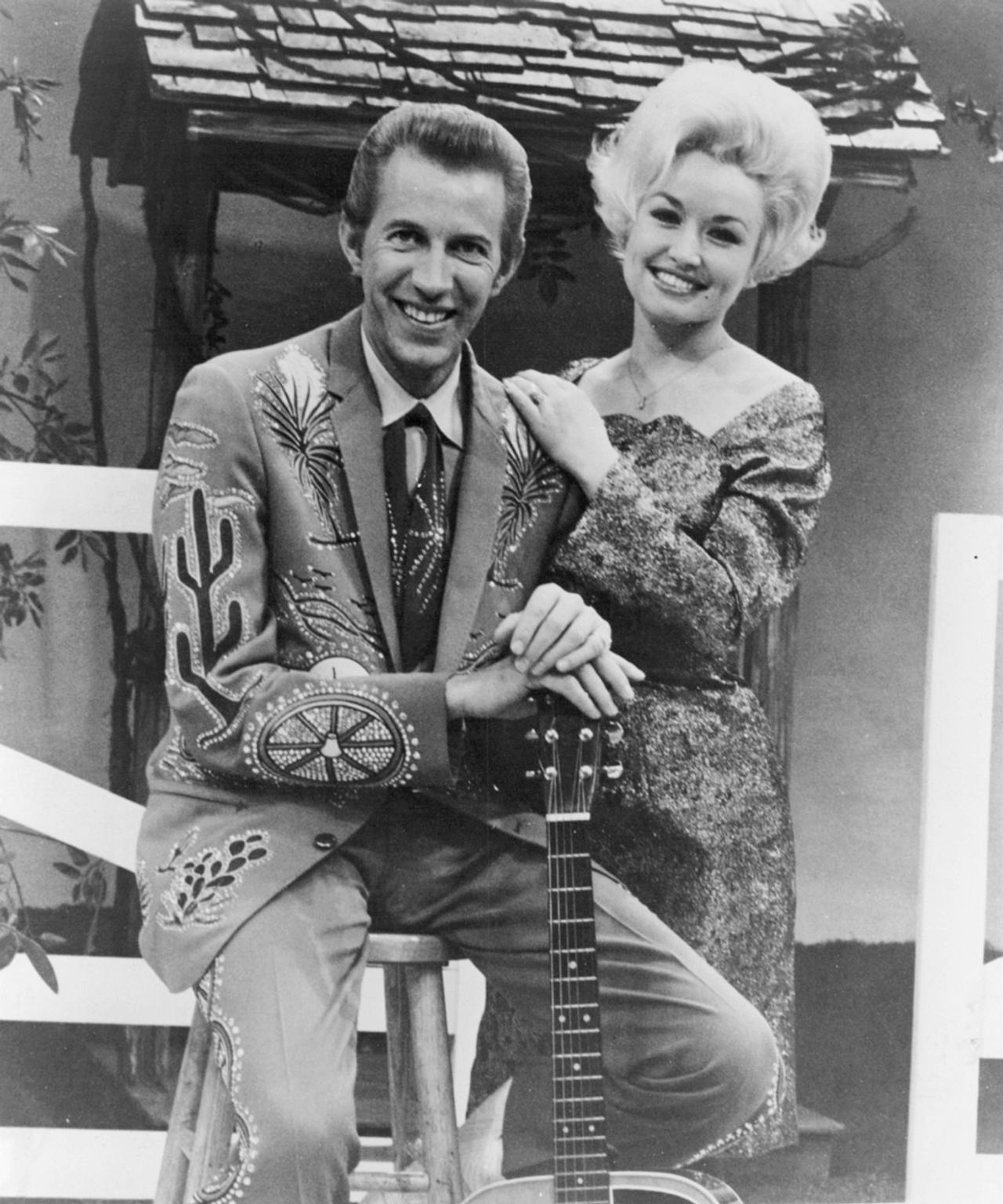
Quick Facts
- Born: Fourth of 12 children
- Childhood home: A one-room house in the Great Smoky Mountains of Tennessee
- Early responsibilities: Washing clothes, cooking meals, and caring for younger siblings
- First audience: Her baby brothers and sisters
- Later philanthropy: Children’s literacy work through Dolly Parton’s Imagination Library
Image credits: United States Congress / Wikimedia Commons / Public domain; Curtis Hilbun / Wikimedia Commons / CC BY 3.0; Moeller Talent, Inc. Nashville (management) / Wikimedia Commons / Public domain.

