
News
“Stayin’ Alive”: The Bee Gees Disco Anthem That Became a Soundtrack for Survival
Written for Saturday Night Fever, the Bee Gees’ 1977 classic fused a tireless beat, Barry Gibb’s falsetto and streetwise swagger into one of disco’s defining songs—then took on an unexpected second life in emergency training.

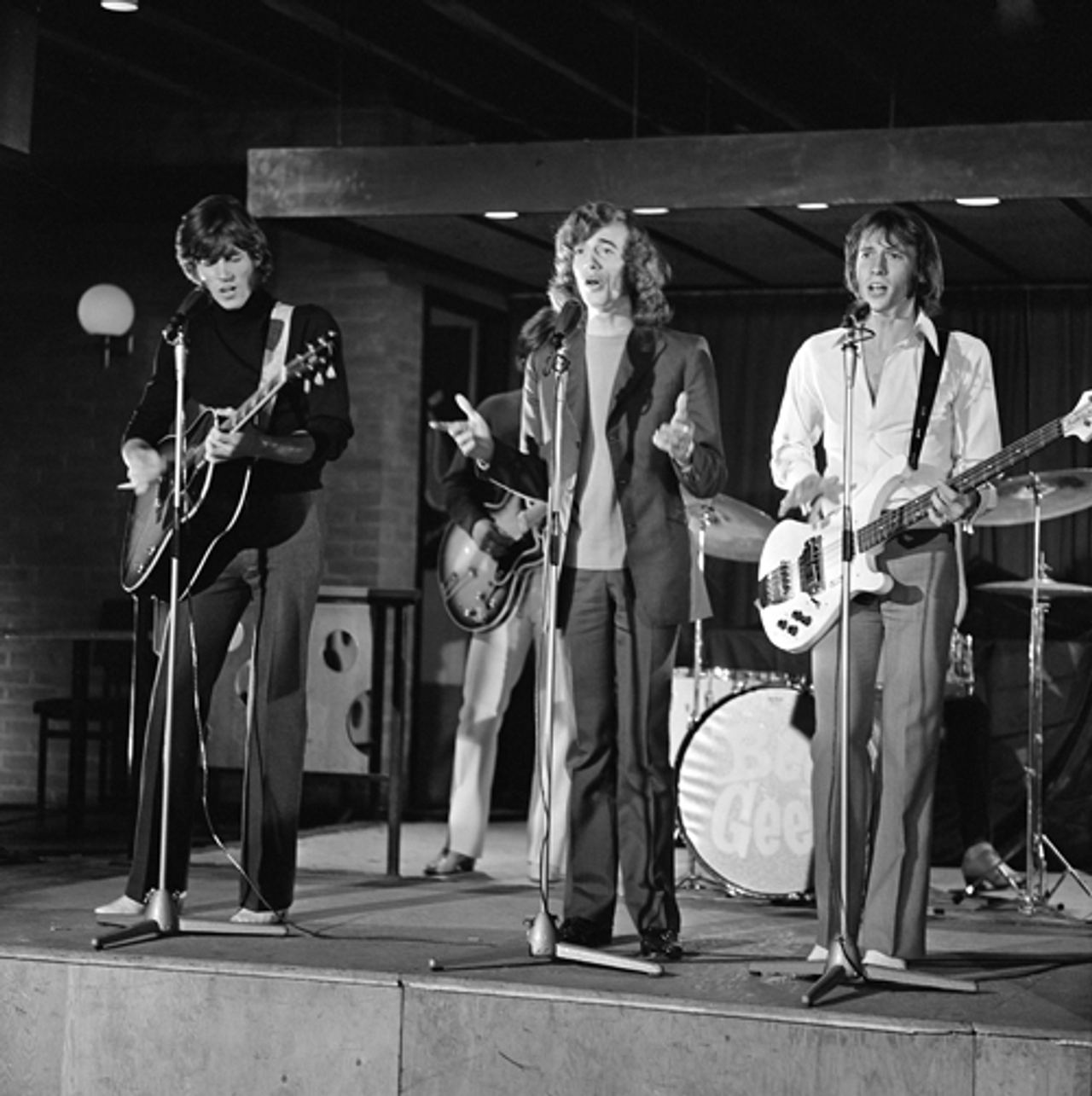
A song built for a cultural flashpoint
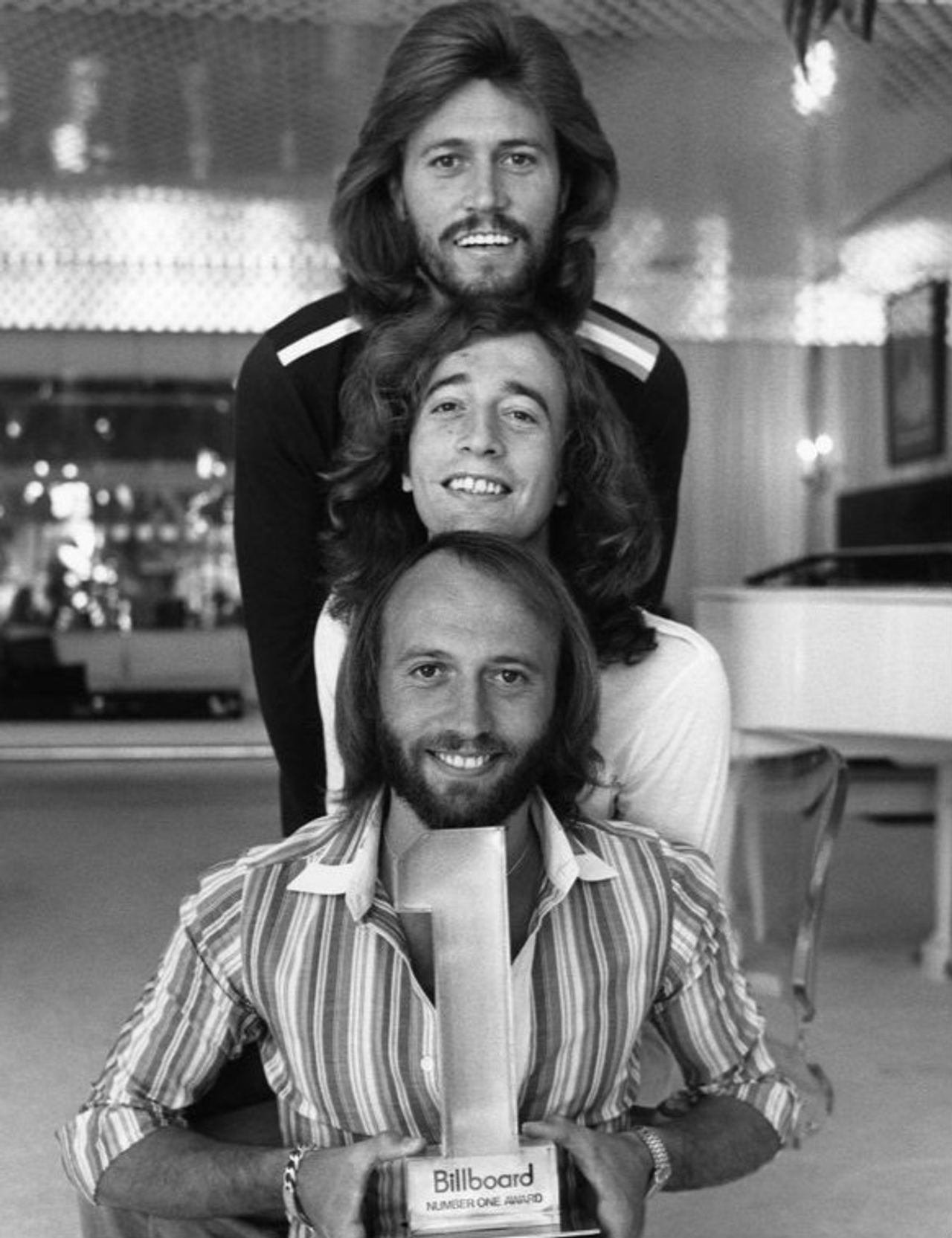
By the time “Stayin’ Alive” arrived, disco was no longer a niche club sound. It had become a style, a nightlife language and, for many listeners, a pulse they could recognize instantly. The Bee Gees—brothers Barry, Robin and Maurice Gibb—were central to that shift, and “Stayin’ Alive” became one of the songs most closely tied to the era’s sheen, drive and urban cool.
The track was written for Saturday Night Fever, the film that helped crystallize disco in the popular imagination. In that context, “Stayin’ Alive” did more than decorate a soundtrack: it helped define the movie’s atmosphere of hustle, ambition and motion. From its opening groove, the song feels like movement translated into sound, with every element pushing forward as if there were no other option.
“Stayin’ Alive” sounds sleek and effortless, but its power comes from how tightly everything locks together: rhythm, attitude and an almost defiant sense of momentum.
The Bee Gees’ precision machine
The Bee Gees wrote the song and produced it with Albhy Galuten and Karl Richardson, a collaboration that gave the record both polish and muscle. What makes “Stayin’ Alive” endure is not just the hook, though the hook is enormous. It is the engineering of the groove: clipped guitar, crisp percussion, taut bass and vocals arranged with almost architectural care.
Barry Gibb’s falsetto became the song’s signature surface, but the record works because of the tension underneath that voice. The performance never drifts into fragility. Instead, it sounds controlled, stylish and oddly hard-edged, which gave the song crossover force. It was dance music, certainly, but it also carried the stern, self-protective tone suggested by the title.
More than disco gloss
Part of the song’s brilliance is that it does not simply celebrate nightlife. “Stayin’ Alive” has glamour, but it also has grit. The title phrase can be heard as a boast, a mantra or a piece of hard-earned advice. That ambiguity helped the record outlast the moment that produced it. Even listeners who know little about disco can hear something elemental in it: resilience set to a beat.
That may be why the song never feels trapped in the late 1970s, even though it is inseparable from that decade’s sound and style. The arrangement is unmistakably of its time, yet the central idea—keeping going, keeping your footing, keeping your cool—travels easily across generations. Plenty of hits define an era. Far fewer continue to speak beyond it.
The Saturday Night Fever effect
Saturday Night Fever gave “Stayin’ Alive” a visual mythology that popular music rarely gets. On screen and in the wider culture, the song became associated with city streets, dance floors, sharp clothes and solitary confidence. It was not merely heard; it was pictured. That image helped fix the Bee Gees at the center of disco’s mainstream explosion.
But the relationship worked both ways. The movie amplified the song, and the song amplified the movie’s identity. Together they created a feedback loop of style and sound so potent that “Stayin’ Alive” came to stand in for an entire mood: urban, kinetic, restless and self-made. For many people, it remains the first title that comes to mind when disco itself is mentioned.
When a pop hit entered emergency training
Then came the song’s most unexpected afterlife. Over time, “Stayin’ Alive” became widely associated with CPR training because its steady tempo made it useful as a mental guide for chest compressions. That transformation is one of pop culture’s strangest and most revealing twists: a disco hit written for a movie about nightlife becoming linked with efforts to save lives.
The match is memorable partly because the title is so direct. In a high-stress situation, a phrase that is already etched into public memory can be more useful than a technical instruction alone. The result is that “Stayin’ Alive” moved beyond entertainment into a practical cultural role, giving the song a second meaning that is at once literal, ironic and deeply human.
Why it still lands
Nearly five decades on, “Stayin’ Alive” remains one of those rare songs that can survive overexposure because it was built so well in the first place. Its groove is immediate, its vocal identity unmistakable and its central phrase impossible to forget. Even listeners who have heard it countless times tend to respond when that opening arrives, as if the body recognizes the command before the mind does.
That durability also says something about the Bee Gees. For all the costumes, cultural baggage and easy caricatures that disco can attract, records like this reveal meticulous songcraft. “Stayin’ Alive” is not remembered only because it was huge. It is remembered because it distilled a historical moment into three essential ideas: rhythm, style and survival.
Quick Facts
- Song: “Stayin’ Alive”
- Artist: Bee Gees
- Writers: Barry, Robin and Maurice Gibb
- Producers: Bee Gees, Albhy Galuten and Karl Richardson
- Associated film: Saturday Night Fever
- Noted legacy: Widely used as a tempo reference in CPR training
Image credits: NCRV / Wikimedia Commons / CC BY-SA 3.0 nl; Bestgibb / Wikimedia Commons / CC BY-SA 4.0; NBC Television / Wikimedia Commons / Public domain.

