
News
How Dolly Parton Quietly Reshaped Her Life to Care for Carl Dean
Behind the rhinestones and stadium lights, Dolly Parton’s most private act of devotion was the life she built at home with Carl Dean in his later years.

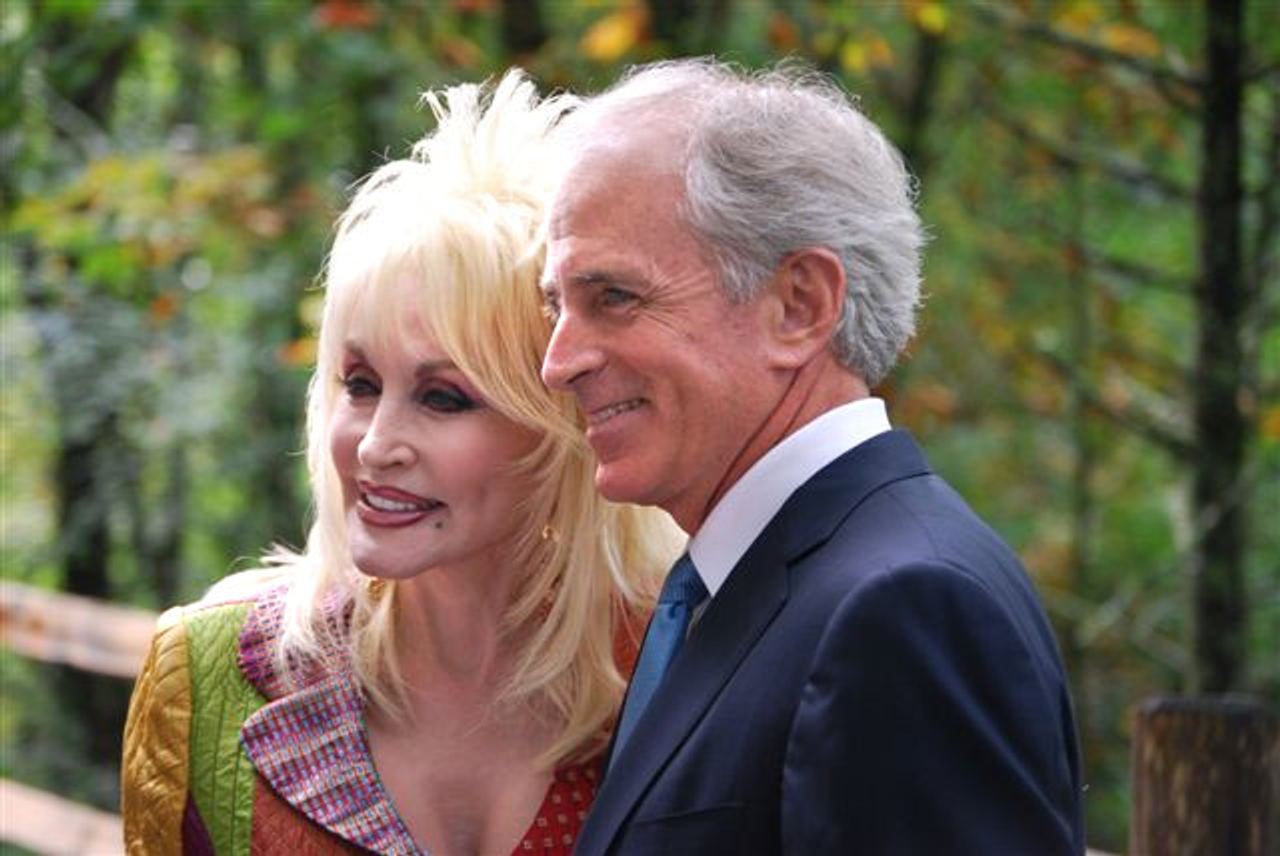
A private turn away from the road
For decades, Dolly Parton belonged to the road as much as to the recording studio, playing the kind of arenas that define a global career. But as Carl Dean’s health declined, the shape of her working life changed. Instead of long stretches away and far-flung international tours, she chose engagements that kept her close to home, structuring her schedule around the ability to return each night to their estate in Brentwood, Tennessee.
It was a decision that said as much about their marriage as any public tribute ever could. Dean had spent more than half a century avoiding fame with remarkable consistency, and Parton’s response in his later years was not to pull that privacy away, but to protect it even more carefully. The woman known for living large in public made one of her biggest choices in near silence.
Protecting the man who never wanted the spotlight
Carl Dean was one of the most unusual spouses in celebrity culture precisely because he never seemed interested in becoming a celebrity spouse. While Parton became one of the most recognizable entertainers in the world, he remained firmly outside that orbit, rarely seen and seldom discussed in more than affectionate outline. That distance was not an accident; it was part of the life they chose together.
As his health needs grew more serious, Parton reportedly kept that same boundary intact by arranging care with trusted doctors inside the home and keeping medical details private. In a media environment that often turns illness into spectacle, the choice stood out. It reflected a clear instinct: dignity first, disclosure second, if at all. For a man who had spent decades living quietly, she made sure the final chapter stayed true to the life he preferred.
For more than fifty years, Carl Dean was Dolly Parton’s refuge from the machinery of fame—and in his later years, she became the guardian of the peace he had always protected for her.
The everyday rituals that mattered most
Parton has long understood the emotional power of ordinary routines, and in Dean’s later years those small rituals appear to have taken on even greater meaning. Even with professional help available, she kept her own place in the rhythm of his days. That meant stepping out of the stage persona the world knew so well and into the domestic world he loved: removing the wigs, going into the kitchen, preparing the simple foods he preferred, and staying present in the most unglamorous, intimate ways.
Those quiet afternoons mattered because they were built from familiarity. Reading nearby, sitting together on the porch, sharing hours without performance or interruption—these are the gestures that define a long marriage more than any red-carpet appearance ever could. In that setting, Parton was not a global icon managing a brand. She was a wife making sure the person beside her felt safe, known, and accompanied.
Brentwood as sanctuary
The Brentwood estate became more than a home; it became the center of a life deliberately narrowed in order to deepen it. When travel was no longer practical in the old way, the horizon grew smaller but not necessarily poorer. If they could no longer take off together in the camper, there was still the front step, the porch, the evening light, and the Tennessee hills stretching beyond it.
That image carries a particular poignancy because it replaces motion with presence. For a couple whose relationship had survived the demands of extraordinary fame, the ability simply to watch the sun go down at home became enough. The grandeur was gone, if it had ever mattered to them in the first place. What remained was the thing that had lasted all along: steadiness.
A love story rooted in the ordinary
Parton and Dean’s relationship has always had an almost mythic starting point because it began in such an unremarkable place: outside a Nashville laundromat. She was at the beginning of a life that would become wildly public; he would remain tied to the private world. Yet the contrast seems to have been part of their strength rather than a strain on it. He represented a ground beneath the whirlwind, someone untouched by the demands of show business and therefore able to offer her a life outside it.
That helps explain why his later years carried such emotional weight. Caring for him was not merely an act of duty at the end of a long marriage. It was, in many ways, a return of a lifelong gift. He had given her constancy, normalcy, and a place to set down the performance. As his strength faded, she stepped fully into the role of protector, offering him the same unwavering loyalty in the language he understood best: privacy, home, and everyday tenderness.
The most personal chapter behind the legend
Public narratives about Dolly Parton usually focus on scale: the voice, the image, the catalog, the philanthropy, the sheer durability of her fame. But the most revealing chapter may be the one that happened behind closed gates, in daily decisions too small and too private to become headlines at the time. Choosing nearby work. Turning down distance. Bringing medical care inward. Cooking. Sitting. Staying.
In that sense, this period of her life offers a different understanding of devotion. Not dramatic declarations, but sustained presence. Not the glamour of a superstar marriage, but the discipline of protecting someone’s peace. For all the songs and stories attached to Dolly Parton, the quiet life she preserved for Carl Dean in Brentwood may stand as one of the clearest expressions of who she is when the lights go out.
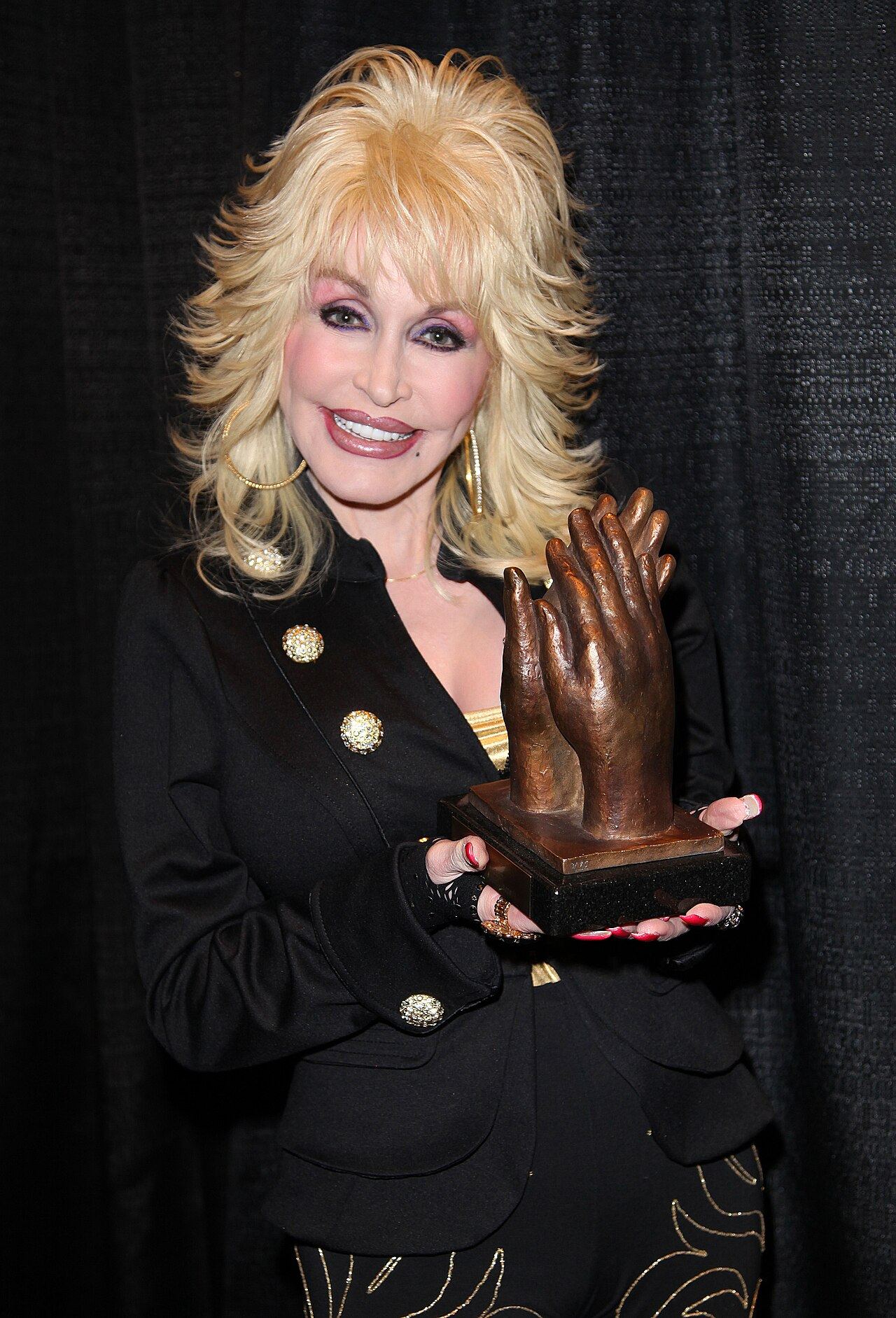
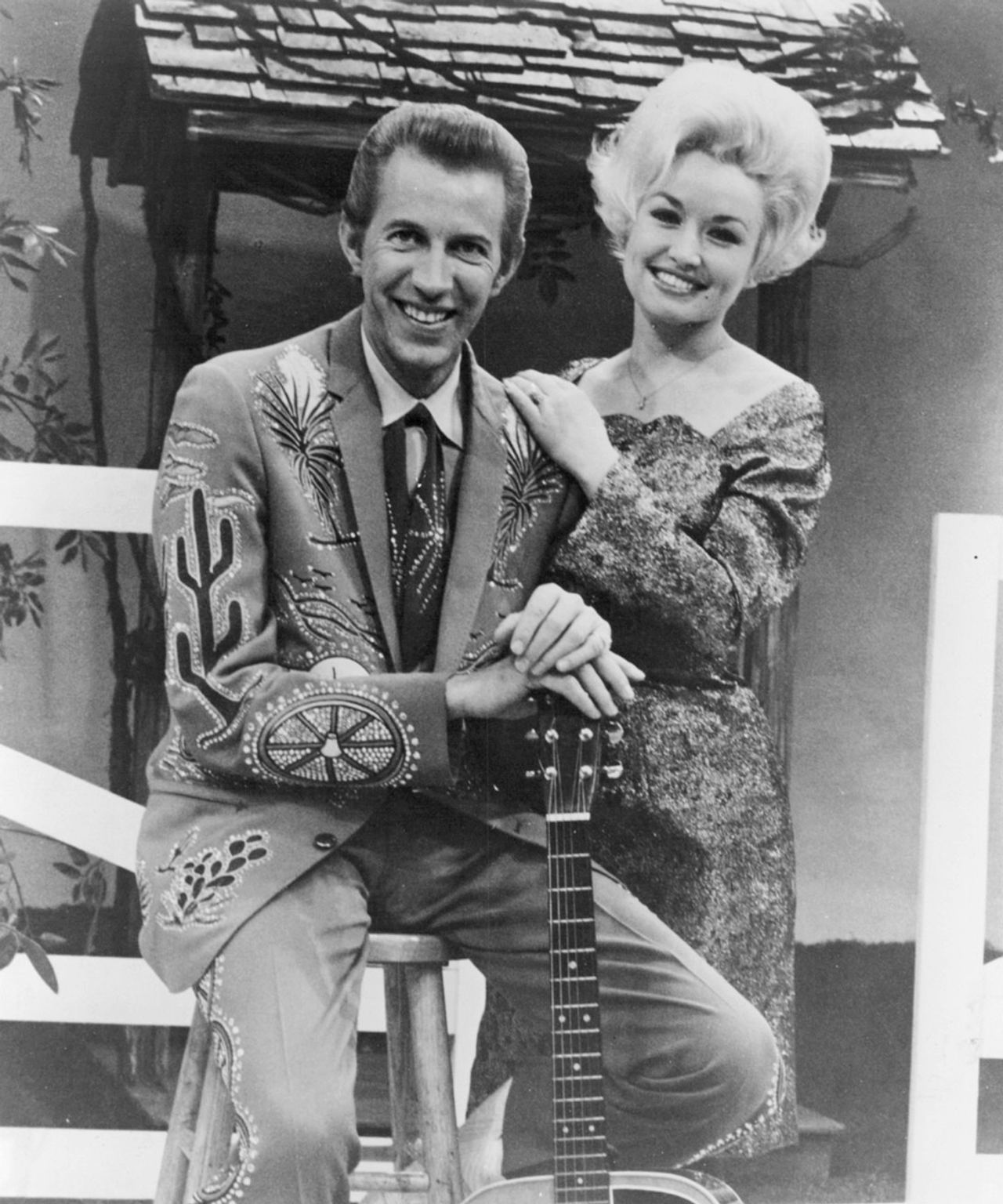
Quick Facts
- Subject: Dolly Parton and Carl Dean
- Home base: Brentwood, Tennessee
- Marriage length referenced: More than fifty years
- Key life change: Parton reduced long-distance touring to stay close to home
- Defining priority: Protecting Carl Dean’s privacy and dignity
- Origin of their relationship: They met outside a Nashville laundromat
Image credits: United States Congress / Wikimedia Commons / Public domain; Curtis Hilbun / Wikimedia Commons / CC BY 3.0; Moeller Talent, Inc. Nashville (management) / Wikimedia Commons / Public domain.

