
News
The Hidden Tragedy Behind Frankie Valli’s Golden Falsetto Voice
Behind the euphoric harmonies and sky-high falsetto that defined Frankie Valli and the Four Seasons lies a story of endurance, loss, and the heavy emotional cost of pop immortality.


The sound that changed a room
When a Four Seasons record comes on, it does more than trigger nostalgia. It alters the atmosphere. The opening bars feel polished and bright, but it is Frankie Valli’s voice that turns recognition into emotion: that tensile, soaring falsetto that seems to rise above the track and pull everyone with it. In the popular imagination, it is the sound of the American 1960s, as vivid as chrome, neon, and a jukebox glowing in a corner booth.
That voice helped define an era when radio was a daily ritual and pop records traveled fast through diners, living rooms, and dance floors. Valli’s singing carried urgency without losing sweetness, and the Four Seasons’ harmonies gave their hits a dramatic lift that still feels immediate decades later. The records remain buoyant, romantic, and full of movement. Yet the life behind them was never as effortless as the music sounded.
“The magic of Frankie Valli’s voice is that it sounds joyful even when the story behind it is anything but simple.”
A falsetto that became a signature
Frankie Valli’s voice was not merely distinctive; it was instantly identifiable. In a crowded pop landscape, that mattered. The Four Seasons’ records stood out because of the contrast between tight group harmonies and Valli’s piercing lead, a sound that could feel youthful, yearning, and almost impossibly light all at once. His falsetto was not a novelty effect. It was the emotional engine of the songs.
That singular quality helped turn the group into one of the defining acts of its time. Even listeners who could not name every member knew the voice. It conveyed vulnerability and confidence together, a rare balance in pop music. The brilliance of the records, though, can make it easy to forget the discipline required to sustain such singing year after year. A voice like that is a gift, but it is also labor, pressure, and identity fused into one public instrument.
Success, image, and the burden of staying on top
The story of Frankie Valli and the Four Seasons has long carried a duality: dazzling success on one side, struggle on the other. Fame created opportunity, but it also fixed Valli in the public mind as a symbol of polished pop perfection. Audiences heard ease; performers lived repetition, travel, exhaustion, and the constant demand to sound exactly like the records people loved.
For singers especially, the burden can be intimate. An athlete can rest a strained muscle in private; a vocalist carries his instrument inside his own body. Every performance becomes a test of consistency, memory, and stamina. For Valli, whose falsetto became his calling card, the expectations were unusually high. The higher the note in the popular imagination, the heavier the pressure to keep reaching it.
The hidden tragedy behind the golden sound
What makes Valli’s story so affecting is the gap between the brightness of the music and the pain that shadowed his life. Over the years, his personal story became marked by profound loss, the kind that reframes public success in starkly human terms. The records still sparkle, but the biography behind them reminds listeners that even the most iconic voices are carried by vulnerable people, not mythic figures immune to grief.
That contrast is part of why his music endures so powerfully. Listeners hear exhilaration in the songs, then discover the emotional weight attached to the man singing them. The tragedy is hidden not because it was meaningless, but because popular culture often prefers its legends in simplified form: a great voice, a line of hits, a clean narrative. Real lives are never that tidy, and Valli’s certainly was not.
Why the songs still resonate
The Four Seasons catalogue survives because it offers more than retro charm. The records are built on melody, dramatic structure, and vocal character, but they also carry a kind of emotional openness that keeps crossing generations. New listeners may arrive through oldies radio, family collections, stage musicals, or movie soundtracks, and they often have the same reaction: the songs feel alive.
Frankie Valli’s voice is central to that staying power. It captures longing in a way that remains accessible even to people far removed from the world that produced it. Knowing that the singer behind the sound endured hardship does not diminish the joy of the music. If anything, it deepens it. The falsetto becomes not just an emblem of pop brilliance, but evidence of resilience.
An American pop legacy, heard differently now
To listen to Frankie Valli today is to hear two stories at once. One is the familiar public one: the gold-lit memory of the 1960s, of radio hits, dance floors, and immaculate harmonies. The other is more private and more complicated, the story of an artist whose career became inseparable from personal sorrow and perseverance.
That is what gives the voice its lasting emotional charge. It belongs to a vanished era, yet it still communicates something immediate: that beauty and pain often coexist, and that the brightest popular art can emerge from lives shaped by struggle. The room still changes when a Four Seasons record starts. But for many listeners, the change now includes something deeper than nostalgia: recognition of the human cost behind an unforgettable sound.
Quick Facts
- Subject: Frankie Valli
- Known for: Lead singer of the Four Seasons
- Signature trait: Soaring falsetto voice
- Era most associated: 1960s pop
- Core theme of article: The contrast between pop glory and personal tragedy
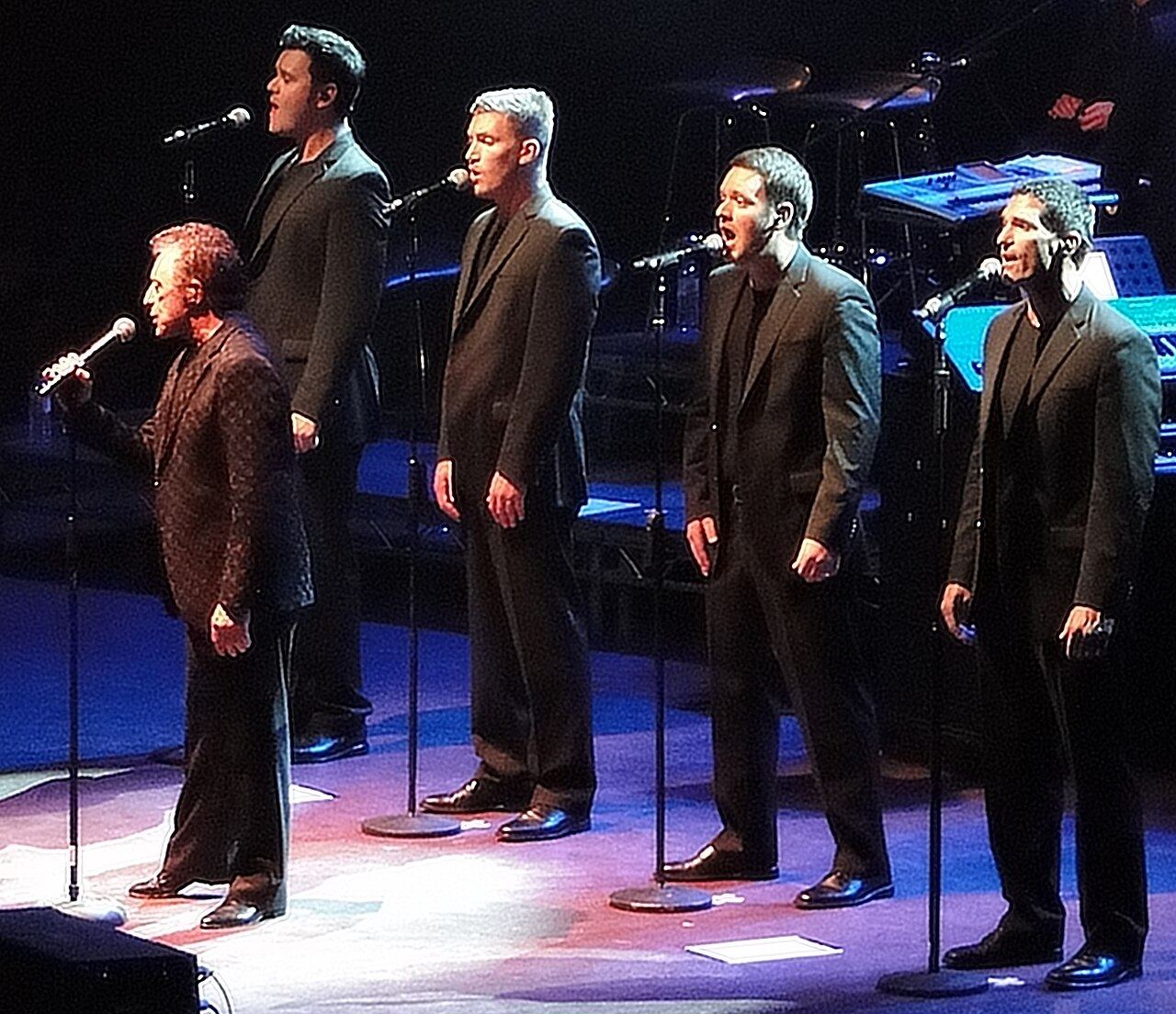
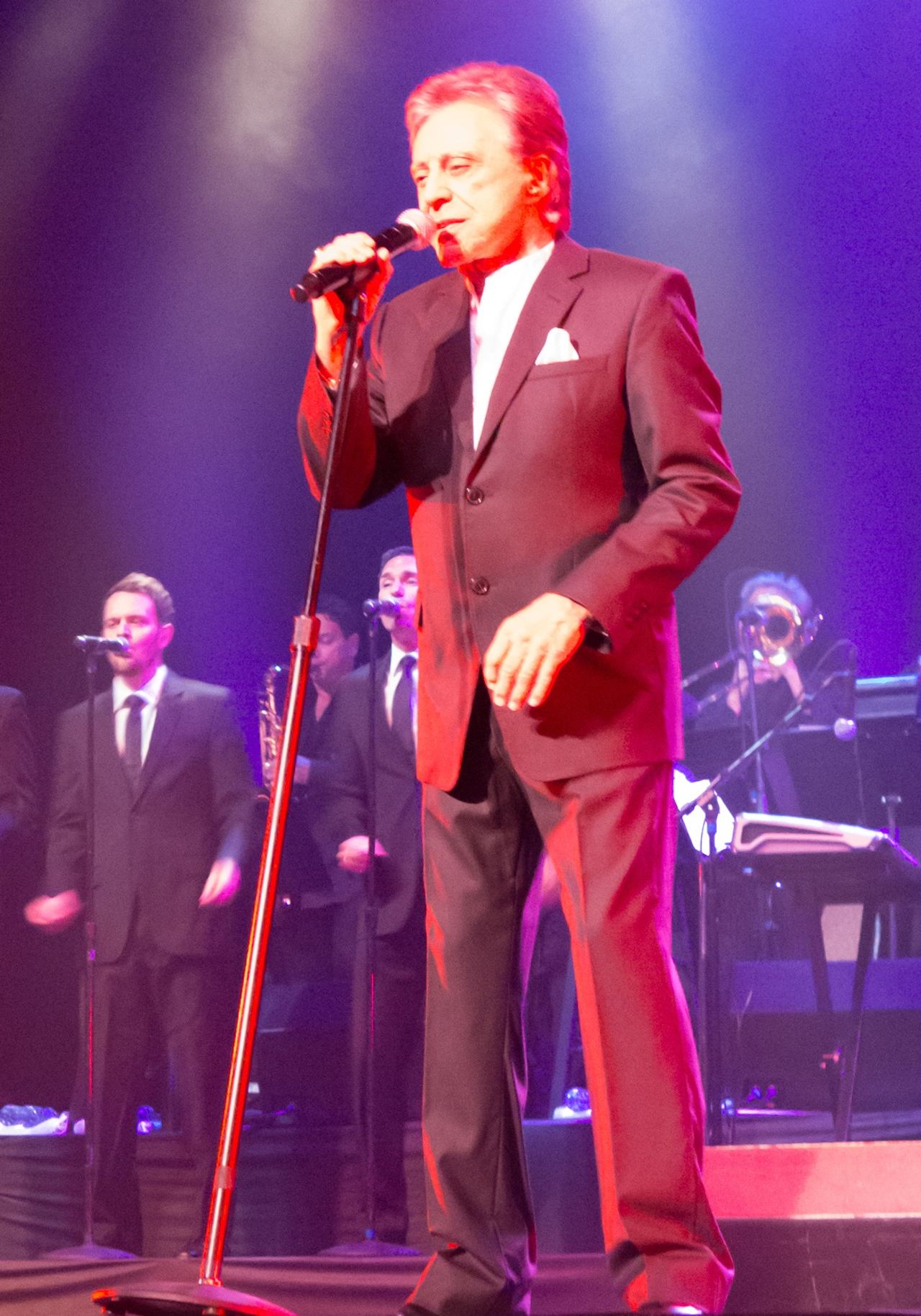
Image credits: Itzuvit / Wikimedia Commons / CC BY-SA 3.0; East Ham Bull / Wikimedia Commons / CC BY 2.0; Louise Palanker / Wikimedia Commons / CC BY-SA 2.0.

