
News
Before the Spotlight: How Rozene Pride Held the Family Together While Charley Chased Two American Dreams
Long before Charley Pride became a country music trailblazer, Rozene Pride was the steady force managing money, children, and hope through the couple’s hardest years.

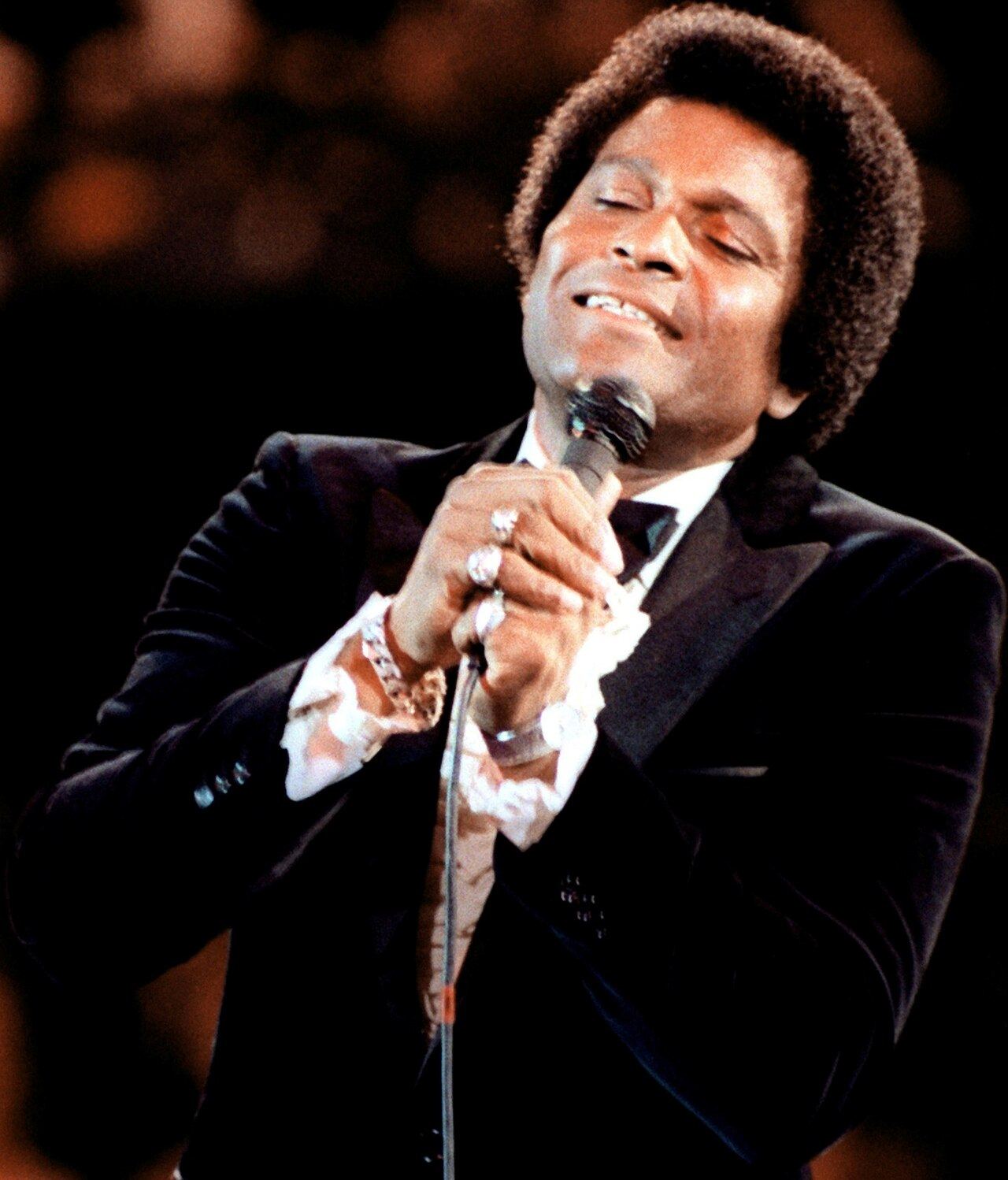
A marriage built in motion
In the late 1950s, Charley Pride was living several lives at once. He chased a future in baseball, worked punishing shifts in Montana smelting plants, and kept music alive in the margins, singing in local clubs and honky-tonks after long days of labor. It was the kind of schedule that made rest a luxury and stability almost impossible.
At home, Rozene Pride lived the other half of that story. While her husband moved between factory work, semipro ballgames, and nighttime performances, she was left to create order out of uncertainty. Their early marriage was not framed by celebrity or comfort but by distance, fatigue, and the unglamorous arithmetic of survival.
The real work of making a household hold
With money tight and three small children to raise, Rozene became the family’s operating center. She took in hairdressing clients independently to bring in cash, stretching every dollar across groceries, clothing, and household needs. There was no cushion, no staff, and no outside domestic support to absorb the daily pressures of family life.
That meant she did the work that rarely enters public legend: cooking simple meals, keeping routines intact, and making a household function under strain. She managed births, babies, and bills at the same time, raising Kraig, Dion, and Angela with consistency even when their father’s work kept him away. In families built around one person’s visible ambition, it is often the other person who makes ambition possible at all.
She kept the family moving forward not by standing in the spotlight, but by making sure daily life never fell apart without it.
Discipline, routine, and the protection of childhood
Rozene’s role was not simply financial. She also set the tone of the home. In difficult circumstances, routine becomes a kind of shelter, and by all accounts she understood that. She kept strict family discipline and protected the children’s daily rhythms, creating predictability in a life otherwise shaped by absence and precarious work.
That steadiness mattered because children notice what is missing. An empty chair at dinner can become a source of confusion, resentment, or worry. Rozene worked to frame Charley’s absences not as abandonment, but as labor on behalf of the family’s future. In practical, repeated ways, she kept his presence alive inside the home even when he was somewhere else trying to earn the next paycheck or seize the next chance.
From ballfields to barrooms to a bigger gamble
For a time, baseball remained one of Charley Pride’s most serious pursuits. But when arm trouble made it clear that sports would not carry him where he hoped to go, music ceased to be a side path and became the main road. That shift was not just artistic. It was a family risk, because a full-time move toward country music offered no guarantee of reward.
Rozene supported the turn anyway. That support was not abstract encouragement; it was practical permission bought with labor and endurance. Every trip, every late night, every step toward Nashville depended on somebody keeping the home front calm enough for him to leave it. Her management of the family gave Charley the room to pursue a future that looked uncertain from the kitchen table but transformative in hindsight.
The hidden foundation beneath a public breakthrough
Country music history rightly remembers Charley Pride as a barrier-breaking star whose success changed what the genre looked and sounded like on the national stage. His voice, poise, and persistence made him a landmark figure. But public breakthroughs almost always rest on private systems of support, and in the Pride family, Rozene was central to that structure.
The significance of her contribution lies in its intimacy. It was found in household accounts kept during lean years, in the discipline required to raise children without complaint becoming the family’s language, and in the sacrifices that never turned into headlines. If Charley’s career became part of American music history, Rozene’s work belongs to the history underneath it: the invisible labor that sustains talent until the world is finally ready to see it.
Why Rozene’s story matters now
There is a tendency in celebrity history to compress the early years into a neat prelude: struggle, faith, breakthrough. But that simplification often strips away the person who absorbed the cost of the struggle day by day. Rozene Pride’s story complicates the familiar mythology in the most useful way. It reminds us that success is rarely an individual act, especially inside a young family trying to survive.
To look closely at those Montana years is to understand the making of Charley Pride differently. Not as the story of one man alone, but as the story of a couple in which one partner’s dreams were made viable by the other partner’s discipline, earnings, and emotional steadiness. The songs would eventually reach national audiences. Before that happened, Rozene made sure the children were fed, the bills were handled, and the family stayed intact long enough for the music to matter.

Quick Facts
- Primary figures: Charley Pride and Rozene Pride
- Early setting: Montana, during Charley Pride’s years in plant work, semipro baseball, and local music gigs
- Family: Their three children were Kraig, Dion, and Angela
- Rozene’s role: Managed the household, raised the children, and earned extra money through hairdressing clients
- Turning point: After arm problems ended baseball hopes, Charley shifted fully toward country music
- Historical significance: Rozene’s support underpinned Charley Pride’s later rise as a barrier-breaking country star
Image credits: GREG MATHISON / Wikimedia Commons / Public domain; Republic Country Club / Wikimedia Commons / CC BY 2.0; Republic Country Club / Wikimedia Commons / CC BY 2.0.

