
News
Jim Croce’s “Time in a Bottle” Still Sounds Like a Whisper Against the Clock
Born from a private moment in Jim Croce’s life, the 1973 classic endures as a tender meditation on love, mortality, and the impossible wish to hold on to time.

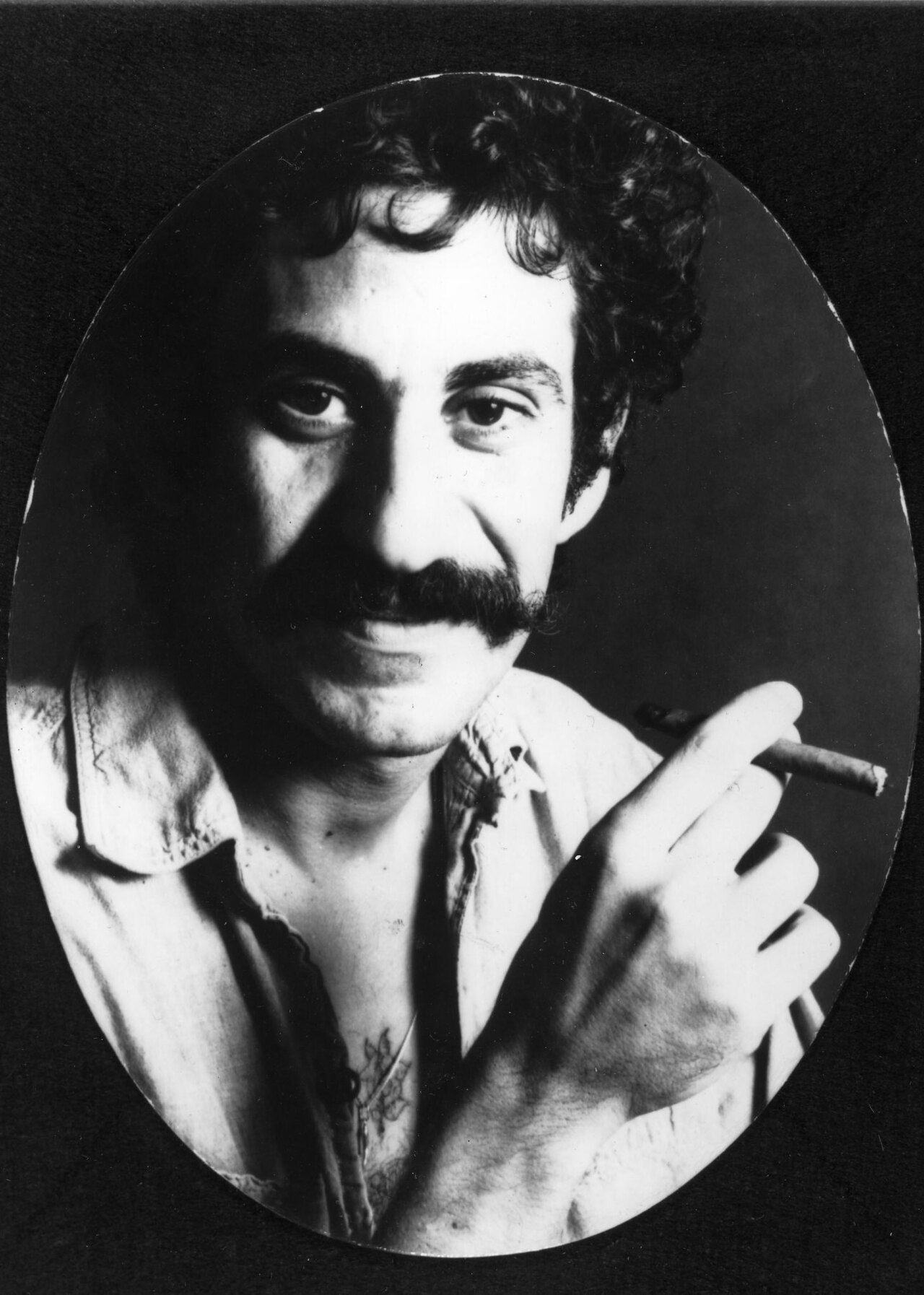
A song built on a simple, devastating idea
Few pop songs express so much with such restraint. “Time in a Bottle” is built around an idea almost everyone has felt but few can phrase plainly: if only there were a way to save time, to keep it close, and spend it more carefully with the people we love. Jim Croce turned that longing into one of the most enduring songs of the 1970s, pairing gentle acoustic picking with lyrics that feel intimate enough to be overheard rather than performed.
What gives the song its unusual staying power is the way it avoids grand gestures. It does not chase spectacle or melodrama. Instead, it lingers on everyday human desire: more hours, more moments, more chances to say what matters. In that sense, “Time in a Bottle” became far more than a love song. It became a meditation on the speed of life itself.
“But there never seems to be enough time / To do the things you want to do once you find them.”
The deeply personal origin behind the lyric
The song’s beginning was closely tied to a life change that made time suddenly feel precious in a new way. Croce wrote it after learning that he and his wife, Ingrid, were expecting their first child. That news gave the song its emotional center. What might have been a passing thought became a father-to-be’s attempt to capture a feeling that many people recognize the instant life shifts: the joy of the future arriving alongside the fear that time moves too fast to hold.
That private spark is essential to understanding why the song still lands so directly. Croce was not writing in the abstract. He was writing from inside a moment of wonder and vulnerability, trying to articulate what it means to love someone so much that the clock itself begins to feel inadequate. The result is a song that sounds small in scale but immense in feeling.
Why the melody feels so intimate
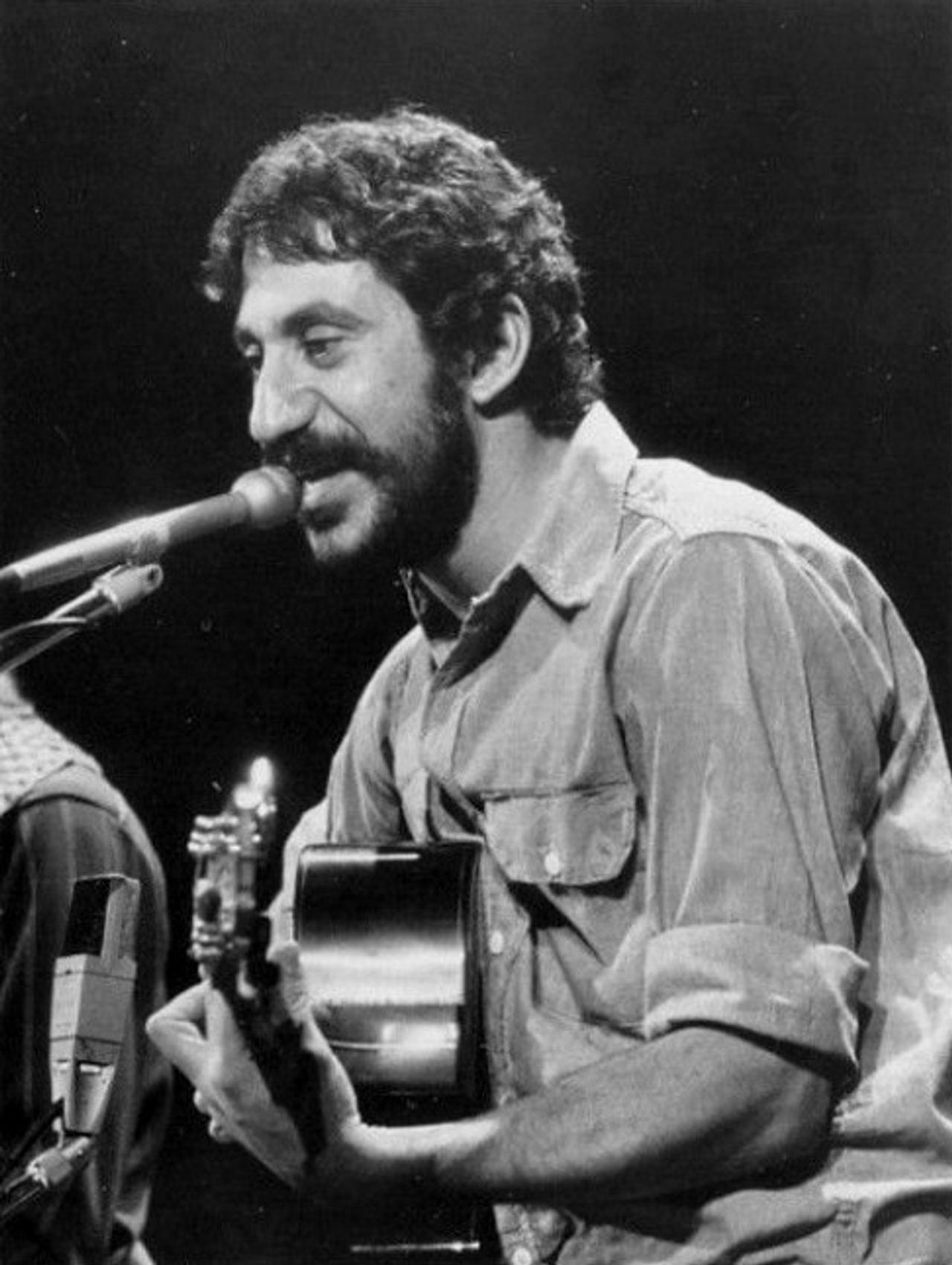
Part of the song’s emotional force comes from its arrangement. “Time in a Bottle” does not overwhelm the listener; it draws the listener closer. The acoustic texture, the measured pace, and the delicate phrasing create the feeling of stillness even as the lyric is about time slipping away. That tension is the song’s quiet genius. It sounds calm while confronting one of life’s most unsettling truths.
Croce’s vocal delivery matters just as much. He sings with warmth and clarity rather than theatrical strain, which makes the song feel lived-in and honest. The performance suggests someone thinking out loud, not trying to impress, and that gives the words room to resonate. In an era crowded with big voices and big statements, Croce’s understatement became a strength.
A hit that became something larger than a chart success
“Time in a Bottle” reached No. 1, but its legacy has never depended only on commercial success. The song endured because listeners kept finding themselves in it. Over the decades, it has been passed from one generation to the next not simply as a nostalgic favorite, but as a song that continues to meet people at vulnerable moments: falling in love, becoming a parent, grieving loss, or realizing how quickly years can vanish.
Its message is universal without becoming vague. Everyone knows, eventually, that time cannot be stored, paused, or reclaimed. Croce’s song gives shape to that realization in a way that feels almost disarmingly direct. That is why it continues to appear in conversations about mortality, devotion, and the value of ordinary time spent well.
The poignancy listeners continue to hear
More than fifty years later, the song carries a poignancy that has only deepened. Listeners hear not just a beautifully written ballad, but a work that speaks to the fragility of plans, hopes, and human lives. Its central wish remains impossible, and perhaps that is why it never stops feeling relevant. No matter the decade, people still want what the song wants: a little more time, and the wisdom to recognize what matters before it is gone.
That emotional clarity is what keeps “Time in a Bottle” from belonging to only one era. The production may evoke the early 1970s, but the feeling is timeless. In a culture that often moves too fast and says too much, Croce’s song still stops people in their tracks by saying one essential thing with extraordinary grace.
A lasting reminder that time is love made visible
The most moving aspect of “Time in a Bottle” may be the way it links time and love so completely. The song suggests that what we call love is often measured in attention, presence, and shared moments. To wish for more time is, in a sense, to wish for more life with another person. That idea is both heartbreakingly simple and endlessly profound.
That is why the song continues to touch hearts long after its release. It reminds millions of listeners that life’s most precious gift is not abstract success or permanence, but time itself: time to care, time to notice, time to be with the people who give life meaning. Very few songs say that so gently, and fewer still say it so memorably.
Quick Facts
- Song: “Time in a Bottle”
- Artist: Jim Croce
- Year: 1973
- Inspiration: Written after Croce learned he and Ingrid were expecting their first child
- Core theme: The wish to preserve time and share more of it with loved ones
- Legacy: A No. 1 classic remembered for its heartfelt reflection on life and mortality
Image credits: Ingrid Croce / Wikimedia Commons / Public domain; ABC Television / Wikimedia Commons / Public domain; ABC Television / Wikimedia Commons / Public domain.

