
News
The Song That Made Millions Pick Up the Phone and Call Their Parents
Harry Chapin’s “Cat’s in the Cradle” turned a family poem into a No. 1 hit and, in the process, became one of pop music’s most enduring meditations on time, regret, and the parent-child bond.

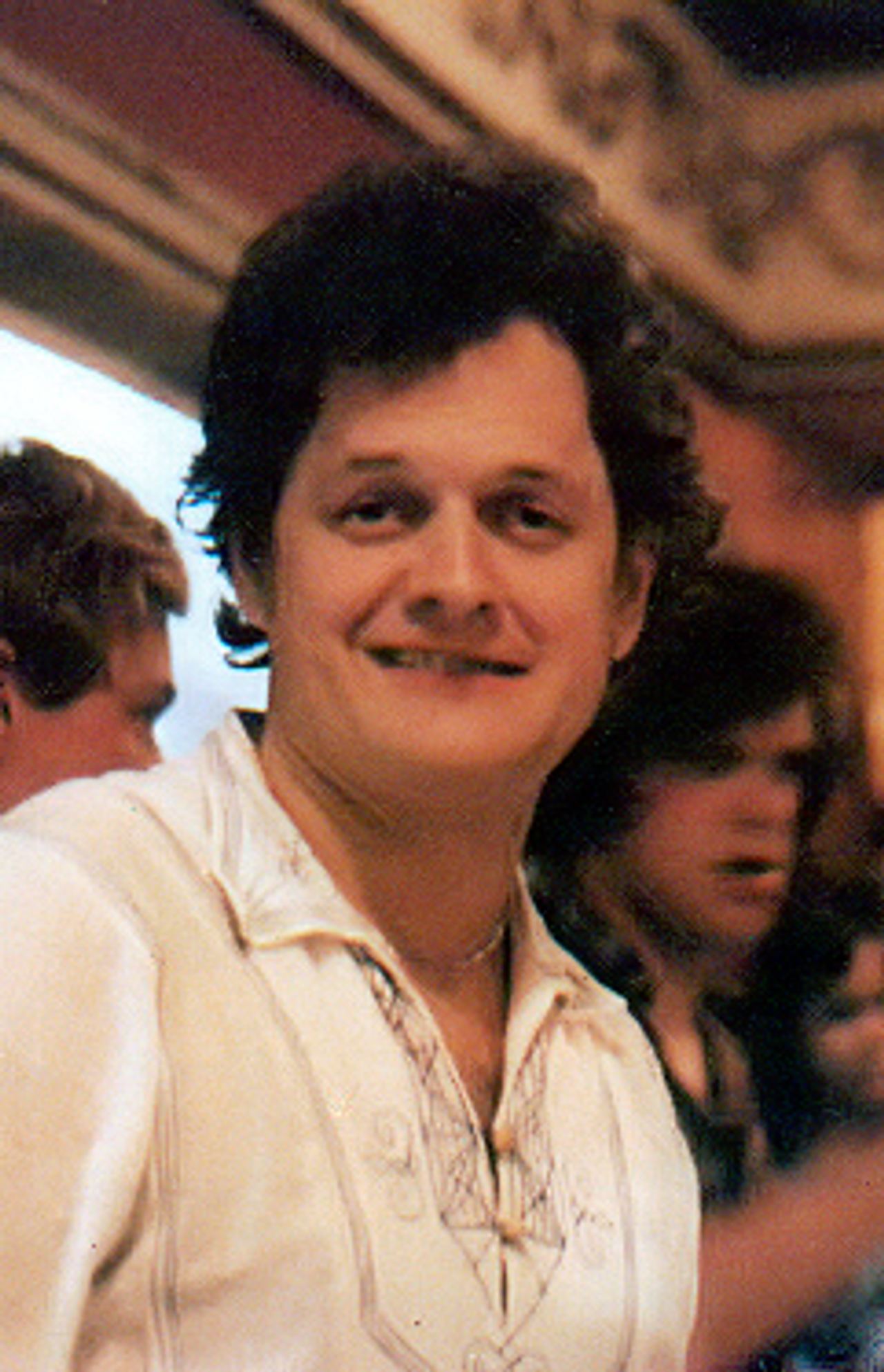
A hit built on an ordinary heartbreak
When “Cat’s in the Cradle” arrived in 1974, it did not feel like an escape from everyday life. It felt like everyday life, sharpened into a few unforgettable minutes. Harry Chapin took a familiar scene — a parent promising there will be more time later — and turned it into a song that landed with unusual force. It became the biggest hit of his career and a defining story song of the era, not because it offered spectacle, but because it recognized a quiet kind of loss many families already knew.
At the center of the song is a father who is always in motion, always working, always saying not now. His son keeps reaching toward him, eager to imitate him, eager simply to be with him. The emotional trap is clear from the beginning: the father believes love can be postponed, scheduled for another season, after the next task is done. By the time he realizes what that delay has cost, the pattern has already been passed on.
From Sandy Chapin’s poem to Harry Chapin’s song
The origin of “Cat’s in the Cradle” gives the song some of its emotional precision. The idea began with a poem by Sandy Chapin, Harry Chapin’s wife, about a distant father-son relationship. That alone gave the piece a domestic intimacy; it was not a concept dreamed up in the abstract, but something rooted in close observation and feeling.
After the birth of their own son, the words took on new meaning for Harry Chapin. He reshaped the poem into a song, and in doing so gave it a structure that unfolds almost like a short film. Each verse advances the child’s life, but the real subject is time itself — how quickly it moves, how easily it is misread, and how brutally it can expose the things people thought they would get around to later.
The genius of “Cat’s in the Cradle” is that it never needs to raise its voice; it simply lets time do the damage.
A story song that unfolds like a family album
Part of the song’s power lies in its narrative design. It moves through milestones: childhood, adolescence, adulthood. At each stage, the father has reasons for his absence, and each reason sounds plausible enough in the moment. That is what makes the song sting. There is no cartoon villain here, only a man caught in the habits and pressures of adult life, assuming he can make up for lost time later.
Meanwhile, the son keeps absorbing the lesson being modeled for him. What begins as admiration becomes imitation. In one of the most devastating reversals in popular music, the father eventually reaches out for the closeness he once deferred, only to hear the same distancing language returned to him. The son has become his father’s mirror. The line between inheritance and warning disappears.
Why it struck such a nerve in the 1970s — and keeps doing so
The song connected in 1974 because it spoke to a broad social reality without sounding like a lecture. Work, ambition, obligation, fatigue — these are not dramatic themes on their own, yet Chapin showed how they can accumulate into emotional absence. The song gave listeners a language for a kind of guilt that often went unspoken, especially among parents who believed providing for a family was itself proof of love.
Its reach has lasted because the dilemma did not belong to one decade. Every generation inherits new tools, new schedules, new distractions, and the same basic misunderstanding: that presence can be deferred without consequence. “Cat’s in the Cradle” remains potent because it captures a truth people keep rediscovering. Relationships are shaped in ordinary moments, not in the idealized future people promise each other when life supposedly calms down.
The rare pop song that changes behavior
Many hit songs inspire nostalgia, dancing, heartbreak, or escape. “Cat’s in the Cradle” does something rarer: it prompts self-audit. Listeners hear it and begin mentally paging through unanswered calls, postponed visits, rushed conversations, and the people they keep meaning to spend time with. Its reputation as the song that made people pick up the phone and call their parents is not hard to understand. The track does not merely tell a sad story; it gently but firmly asks what story the listener is living.
That effect comes from Chapin’s refusal to overcomplicate the message. The song is specific enough to feel real and universal enough to feel personal. Almost everyone can locate themselves somewhere inside it — as the child waiting, the parent apologizing, or the adult suddenly realizing how long it has been since they reached out. Few No. 1 hits have carried that kind of moral aftershock.
A legacy measured in recognition, regret, and resolve
As the biggest hit of Harry Chapin’s career, “Cat’s in the Cradle” secured his place in popular music. But its deeper legacy lies in the way it continues to circulate not just as a classic recording, but as a warning passed between generations. People introduce it to their children, revisit it after becoming parents themselves, or hear it differently after losing time they can no longer reclaim.
That may be why the song endures with such unusual emotional clarity. It is about fathers and sons, but it also reaches beyond that frame, speaking to anyone who has loved someone while assuming there would always be more time. Chapin transformed a family poem into a mainstream hit, and in the process created a song that still interrupts people in the middle of their lives and asks them, quietly, who they have been too busy to hold onto.
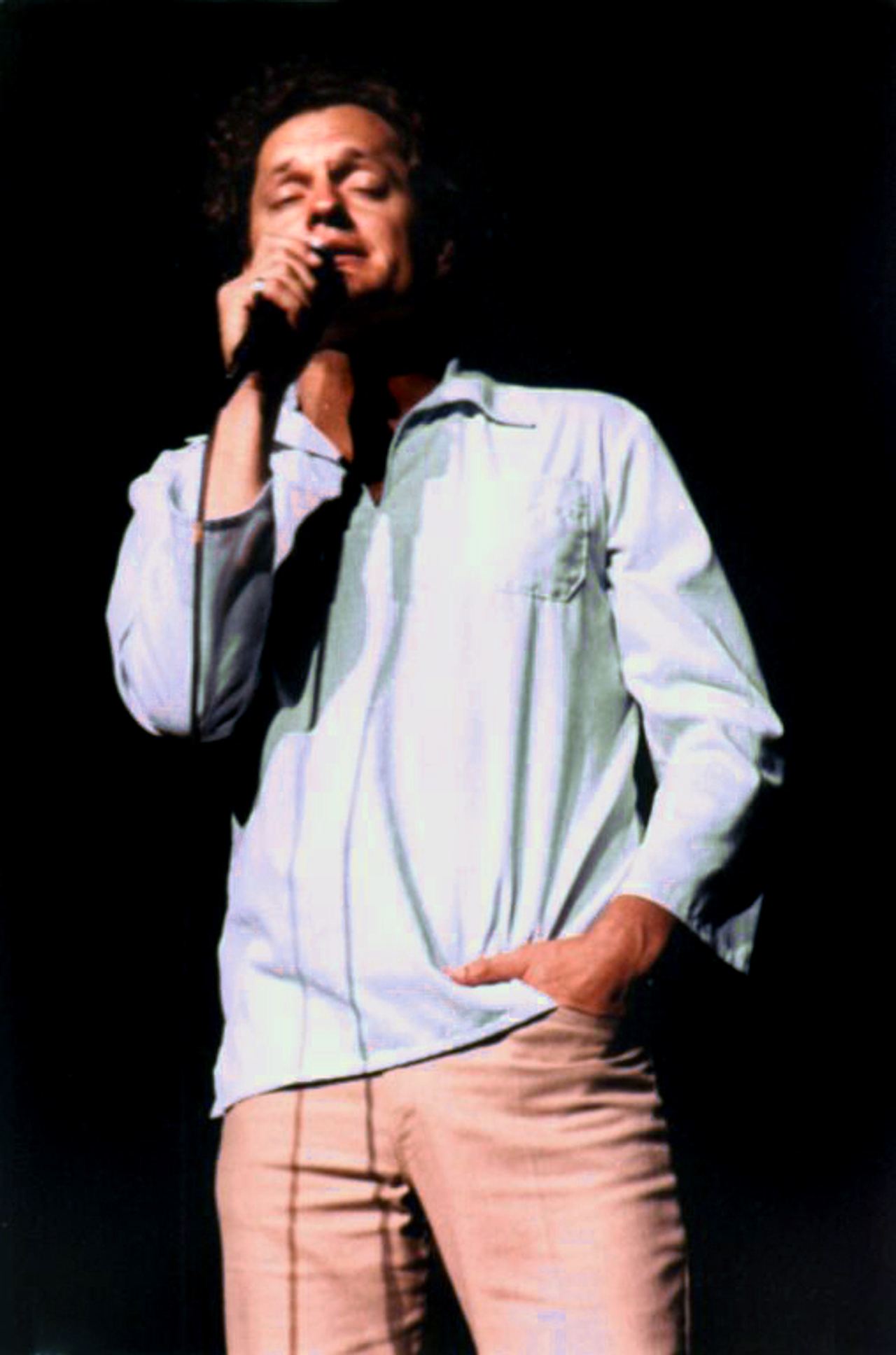
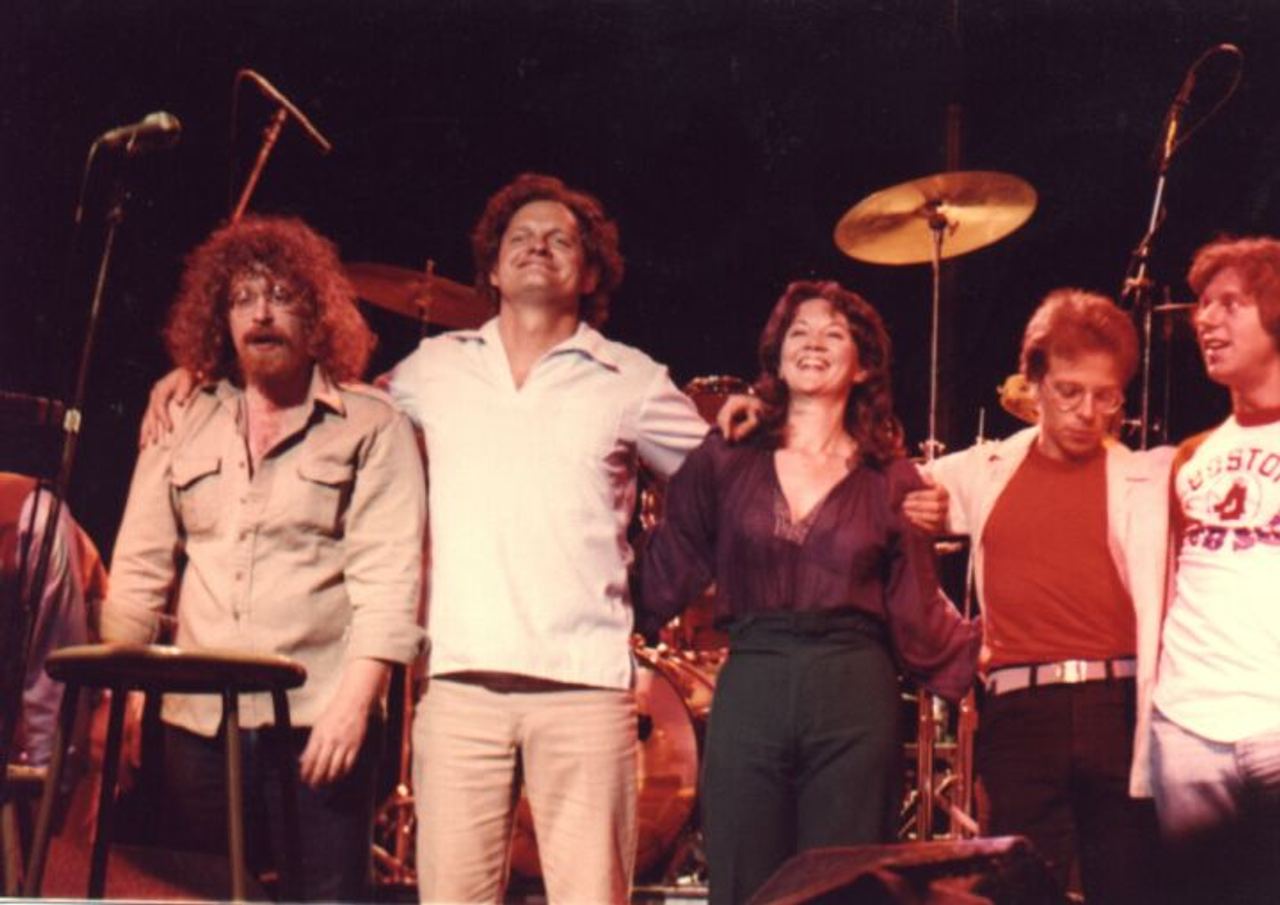
Quick Facts
- Song: “Cat’s in the Cradle”
- Artist: Harry Chapin
- Released: 1974
- Origin: Based on a poem by Sandy Chapin
- Theme: A distant father-son relationship and the cost of postponed time
- Career significance: The biggest hit of Harry Chapin’s career
Image credits: Larry D. Moore / Wikimedia Commons / CC BY 4.0; Cindy Funk / Wikimedia Commons / CC BY 2.0; Cindy Funk / Wikimedia Commons / CC BY 2.0.

