
News
Fleetwood Mac’s “Go Your Own Way”: How a Breakup Became Rock History
Written in the middle of Lindsey Buckingham and Stevie Nicks’s unraveling romance, “Go Your Own Way” transformed private heartbreak into one of Fleetwood Mac’s most enduring and emotionally volatile recordings.


A breakup song with the band still in the room
When Fleetwood Mac released “Go Your Own Way” in 1977, the song arrived with the force of a confession nobody had tried to soften. It was big, loud, sharply melodic, and impossible to ignore. More than just a hit single, it became one of the signature tracks from Rumours, an album now inseparable from the drama that shaped it.
At the center of the song was a relationship falling apart in public view. Lindsey Buckingham wrote it as his long partnership with Stevie Nicks was collapsing, and that tension gave the record its unusual heat. Listeners were not just hearing a polished studio performance; they were hearing two people process pain while still bound together by a band, a schedule, and a shared creative life.
It sounds like release, accusation, and survival happening at the same time.
Lindsey Buckingham’s raw, unsparing point of view
Buckingham wrote “Go Your Own Way” from a place that was anything but detached. The lyrics and delivery carry frustration, wounded pride, and a hard insistence on separation. Even before the chorus lands, the song feels restless, as if it is pushing against emotional confinement and trying to break into open air.
That intensity is what gives the track its staying power. Plenty of breakup songs mourn what has been lost; this one argues with it. Buckingham’s writing does not hide from bitterness, and the performance leans into that edge rather than smoothing it out. The result is a song that feels immediate even decades later, because its emotions remain unresolved in the best possible rock-and-roll way.
Why the sound hits so hard
Part of the song’s power lies in how perfectly its arrangement matches its emotional content. The guitars are bright and driving, the rhythm section keeps everything surging forward, and the chorus explodes with a kind of exhausted defiance. It is not a gentle farewell. It is a break delivered at full volume.
That musical momentum is crucial. “Go Your Own Way” does not sit in sadness; it moves through it at speed. The track captures a feeling many listeners recognize after a rupture: anger and freedom arriving together, with no neat line between them. That combination helped turn the song from a personal statement into a communal anthem for anyone trying to walk away from a relationship without pretending it did not hurt.
The Rumours paradox: private pain, public masterpiece
Rumours has long been remembered not only as a landmark album but as a document of a band enduring enormous interpersonal strain. “Go Your Own Way” sits at the heart of that story because it makes the emotional stakes impossible to miss. The song is not merely about a breakup; it is part of the breakup, captured and preserved on tape.
That is what makes the recording so remarkable. Buckingham and Nicks still had to work together every day while making music that drew directly from their fractured bond. In most lives, separation means distance. In Fleetwood Mac’s world, separation had to coexist with rehearsals, recording sessions, performances, and the pressure to keep creating at the highest level.
Stevie Nicks, Lindsey Buckingham, and the tension that listeners could hear
One reason “Go Your Own Way” continues to fascinate is that audiences know the voices behind it were not acting. The song’s emotional charge is inseparable from the fact that the people involved had to sing, play, and refine it together. That dynamic gives Fleetwood Mac’s music from this era an almost cinematic quality, with personal history embedded inside every harmony and exchange.
For listeners, that reality deepens the song rather than reducing it to gossip. The track endures because the conflict sharpened the performance instead of overwhelming it. What could have remained a private wound became disciplined, memorable art, shaped by musicians who understood exactly how to turn tension into drama without losing control of the song itself.
How “Go Your Own Way” became part of rock history
Over time, “Go Your Own Way” has come to represent more than one breakup or one difficult recording period. It stands as one of Fleetwood Mac’s defining songs and a key reason Rumours remains such a towering album in popular music. The single distills what made the band so compelling at its peak: immaculate craft, emotional danger, and melodies strong enough to carry both.
Its legacy rests on that rare balance. “Go Your Own Way” is deeply specific to Buckingham and Nicks, yet broad enough to belong to anyone who has ever needed to leave while still carrying anger and affection at once. That is why it still feels alive. The song did not simply describe heartbreak; it converted it into rock history.

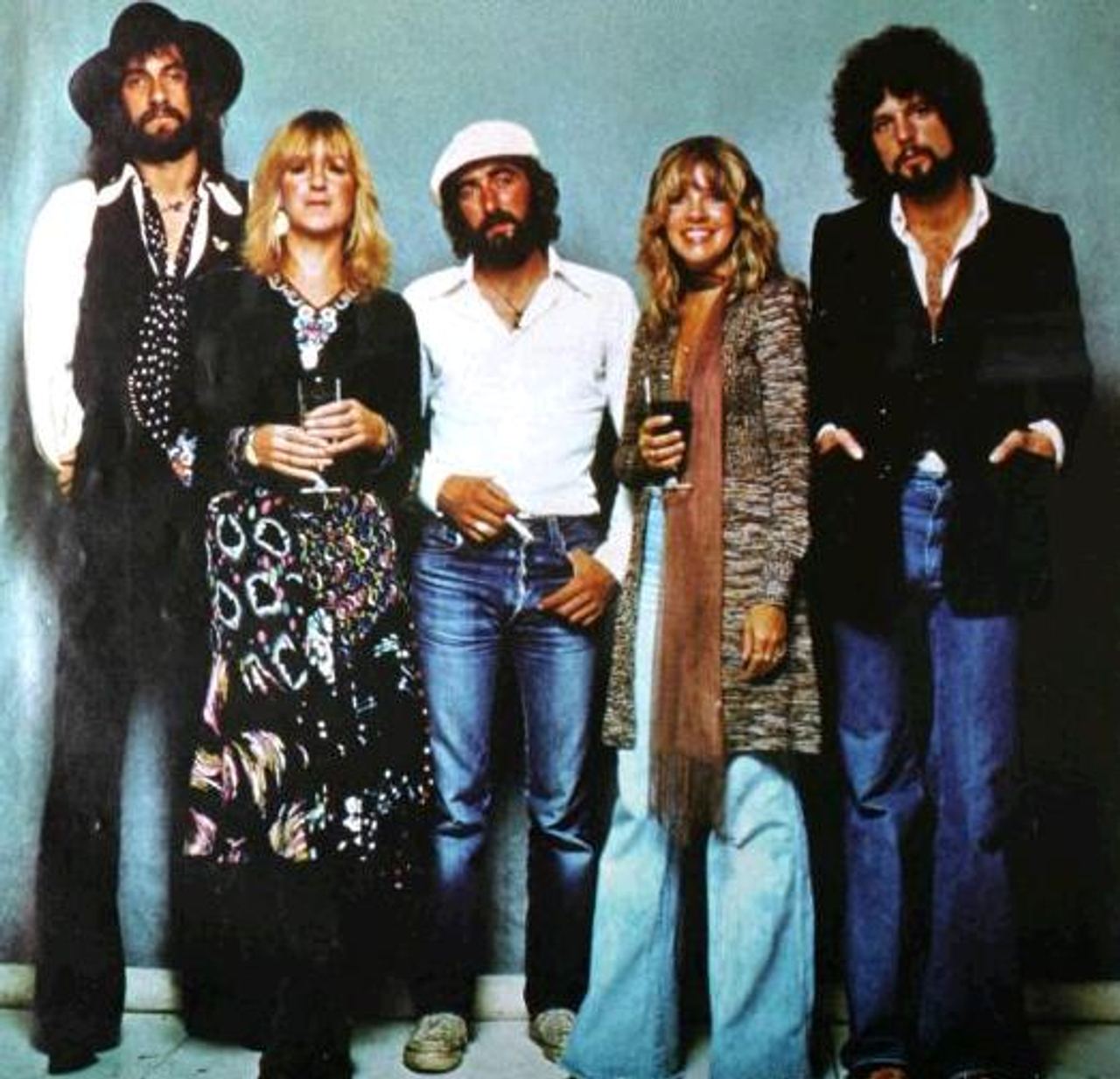
Quick Facts
- Song: “Go Your Own Way”
- Artist: Fleetwood Mac
- Album: Rumours
- Release year: 1977
- Writer: Lindsey Buckingham
- Core story: A breakup between Lindsey Buckingham and Stevie Nicks turned into one of the band’s defining songs
Image credits: Weatherman90 at English Wikipedia / Wikimedia Commons / CC BY 3.0; Joe Bielawa / Wikimedia Commons / CC BY 2.0; Warner Bros. Records / Wikimedia Commons / Public domain.

