
News
How Jeannie C. Riley’s “Harper Valley P.T.A.” Turned a Small-Town Rebuke Into a 1968 Sensation
With one biting story song written by Tom T. Hall, Jeannie C. Riley brought country storytelling, pop immediacy, and a challenge to small-town hypocrisy crashing together in 1968.

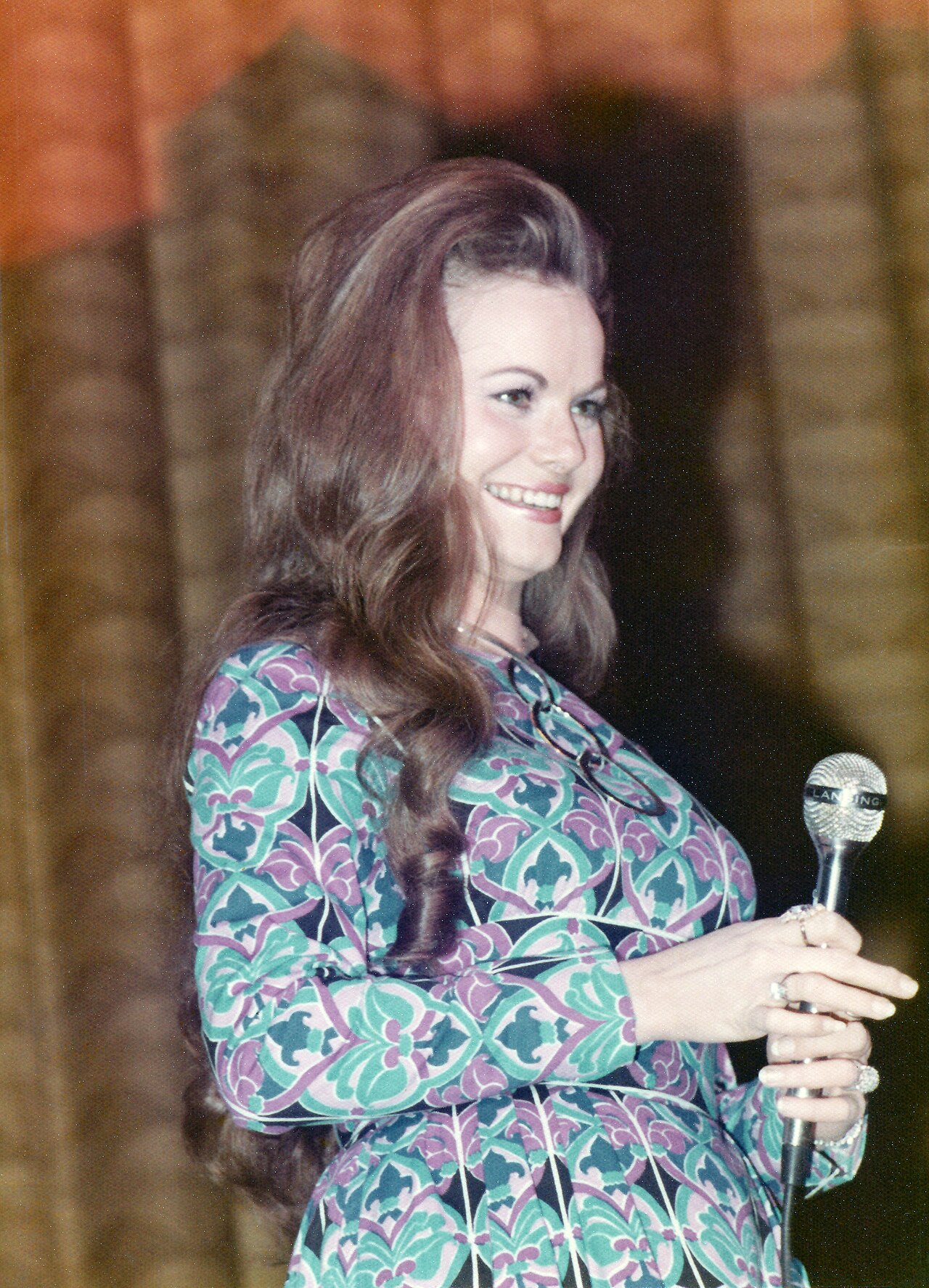
A song that arrived like a dare
In 1968, “Harper Valley P.T.A.” did not ease its way into the culture. It burst in with a grin, a pointed finger, and a premise listeners could grasp in seconds: a local mother is publicly scolded by the town’s moral guardians, then stands up and exposes the people judging her. The setup was comic, but the charge behind it was serious. Country music had long told stories of heartbreak, trouble, and pride, yet this one felt especially sharp because it turned social shame back on the people wielding it.
Jeannie C. Riley’s performance was crucial to the song’s force. She did not oversell the joke or sink into bitterness. Instead, she sang with a clear, bright directness that made every accusation land. The record moved quickly, almost breezily, but inside that lively surface was a neatly devastating portrait of public respectability and private misconduct. Listeners heard more than a novelty hit; they heard a woman refusing to be humiliated.
What made “Harper Valley P.T.A.” feel so electric was not just its punch line, but its reversal of power: the judged woman suddenly becomes the one doing the judging.
Tom T. Hall’s story craft, distilled into three minutes
The song’s architecture reflected the gifts of its writer, Tom T. Hall, whose reputation rested on saying a great deal with plain language and vivid scenes. “Harper Valley P.T.A.” works because it wastes nothing. A letter arrives, the complaint is read, the target appears at the meeting, and the hypocrisy of the room is laid bare. It is storytelling with the gears exposed, and that clarity made it easy for audiences to follow on the first listen.
But the song was never simply a lecture set to music. Hall gave it names, a setting, and enough local detail to suggest an entire community without slowing its pace. The title itself sounded specific and familiar, evoking school meetings, social pressure, and a world where reputations could be made or wrecked in public. That balance between caricature and recognition helped the song travel far beyond country audiences. Even listeners who had never set foot in a town like Harper Valley understood the type.
Jeannie C. Riley makes the rebellion sound irresistible
Riley’s voice gave the record its personality: confident, unflustered, and a little amused by the spectacle. She sang as if the heroine had already decided she would not bend. That mattered. A more wounded performance might have made the song merely defensive, and a more aggressive one might have made it feel hectoring. Riley found the sweet spot, delivering the narrative with enough poise to keep it catchy and enough steel to make it believable.
Her style also helped bridge country and pop audiences. The record carried the snap and clarity of radio-ready pop without giving up its country identity. That crossover quality was part of its shock. Here was a song rooted in country storytelling and small-town imagery, yet it moved with enough sparkle and certainty to command a much broader audience. Riley did not soften the message to make it universal; she made the message universal by sounding utterly sure of it.
Why the song struck such a nerve in 1968
The late 1960s were full of public argument about authority, generational change, and who got to define proper behavior. “Harper Valley P.T.A.” slipped into that atmosphere from an unexpected angle. It was not a protest anthem in the usual sense, but it carried the emotional logic of one. It challenged the people who claimed moral authority, suggested that institutions could be smug and selective, and gave its central woman the last word.
That combination made the record feel bolder than its brisk running time suggested. Country radio had heard strong women before, but this song staged open confrontation and made it entertaining. It let listeners enjoy the audacity while recognizing the truth underneath. Anyone who had felt patronized, singled out, or judged by local gatekeepers could hear something liberating in it. The song’s wit made it memorable; its resentment of double standards made it stick.
From country hit to pop phenomenon
Once the record caught on, it did more than succeed within its home format. It crossed over dramatically, becoming one of those rare songs that seemed to leap from one audience to another without losing its identity. That mattered in 1968, when the distance between country and mainstream pop could still feel substantial. “Harper Valley P.T.A.” did not disguise its roots to make that journey. If anything, its specificity was part of the appeal.
The crossover also said something about listeners’ appetite for narrative songs with attitude. The hook was strong, but the story was stronger. People wanted to know what happened next, and they wanted to hear the moment of reckoning again. Radio thrives on immediacy, and “Harper Valley P.T.A.” delivered it with unusual efficiency: a memorable title, a clean melodic line, a deliciously scandalous premise, and a payoff that rewarded every replay.
The legacy of a small-town showdown
More than half a century later, “Harper Valley P.T.A.” remains a touchstone because its target never quite disappears. Public virtue and private contradiction are evergreen subjects in American life, and the song handles them with enough humor to avoid feeling heavy-handed. Its heroine is not idealized so much as defended. The point is not that she is flawless; it is that the town’s self-appointed judges have no standing to condemn her. That distinction gives the song its staying power.
The record also endures as a showcase for how much can happen inside a compact country hit. It is funny, catchy, and socially observant all at once. For Jeannie C. Riley, it became the defining song of her career, and for Tom T. Hall, it stands as a vivid example of his gift for economical storytelling. Most of all, it remains thrilling because its central act of defiance still lands. A woman is told to feel ashamed, and instead she tells the truth out loud.
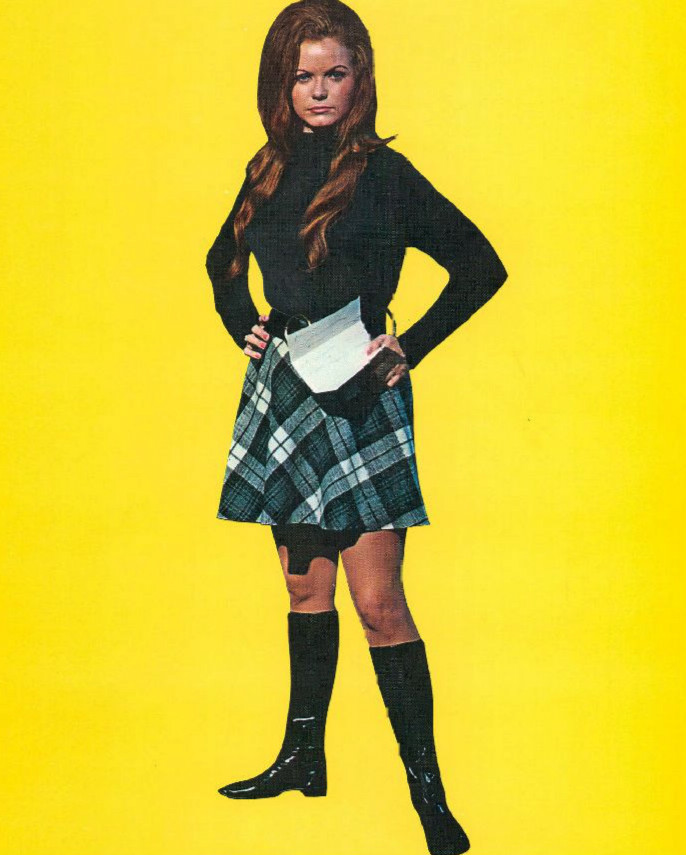

Quick Facts
- Song: “Harper Valley P.T.A.”
- Singer: Jeannie C. Riley
- Writer: Tom T. Hall
- Year: 1968
- Core theme: A woman publicly confronts the hypocrisy of a self-righteous town
- Cultural impact: A country hit that crossed into pop and became a national sensation
Image credits: The original uploader was Lemuela at English Wikipedia. / Wikimedia Commons / CC0; Plantation Records/Paul Perry Management / Wikimedia Commons / Public domain; deSingel / Wikimedia Commons / CC BY 4.0.

