Celebrities & Music
Eight Minutes That Changed Rock Forever: The Story Of ‘Stairway To Heaven’
Led Zeppelin’s “Stairway to Heaven” is presented as a landmark rock epic whose slow-building structure, mystical lyrics, and unforgettable solo helped define what ambitious popular music could be. The article traces the song’s creation, impact, and enduring legacy as the benchmark for rock anthems.
Every generation has a song that seems to rise above the rest—a recording so ambitious, so beautifully constructed, that it becomes the standard against which every epic rock anthem is judged. For more than fifty years, “Stairway to Heaven” by Led Zeppelin has occupied that place. Mysterious, majestic, and endlessly influential, it remains one of the greatest achievements in the history of rock music.
By the early 1970s, Led Zeppelin had already established themselves as one of the world’s most exciting bands. Their albums blended blues, hard rock, folk, and psychedelia into a sound unlike anyone else’s. But guitarist Jimmy Page, singer Robert Plant, bassist and keyboardist John Paul Jones, and drummer John Bonham believed they were capable of something even greater—a song that would showcase every side of the band’s musical identity.

That ambition became “Stairway to Heaven.” Rather than following the familiar verse-and-chorus structure of most rock songs, the band created something closer to a musical journey. The song unfolds gradually, revealing new layers with each passing minute until it reaches one of the most celebrated climaxes ever recorded.
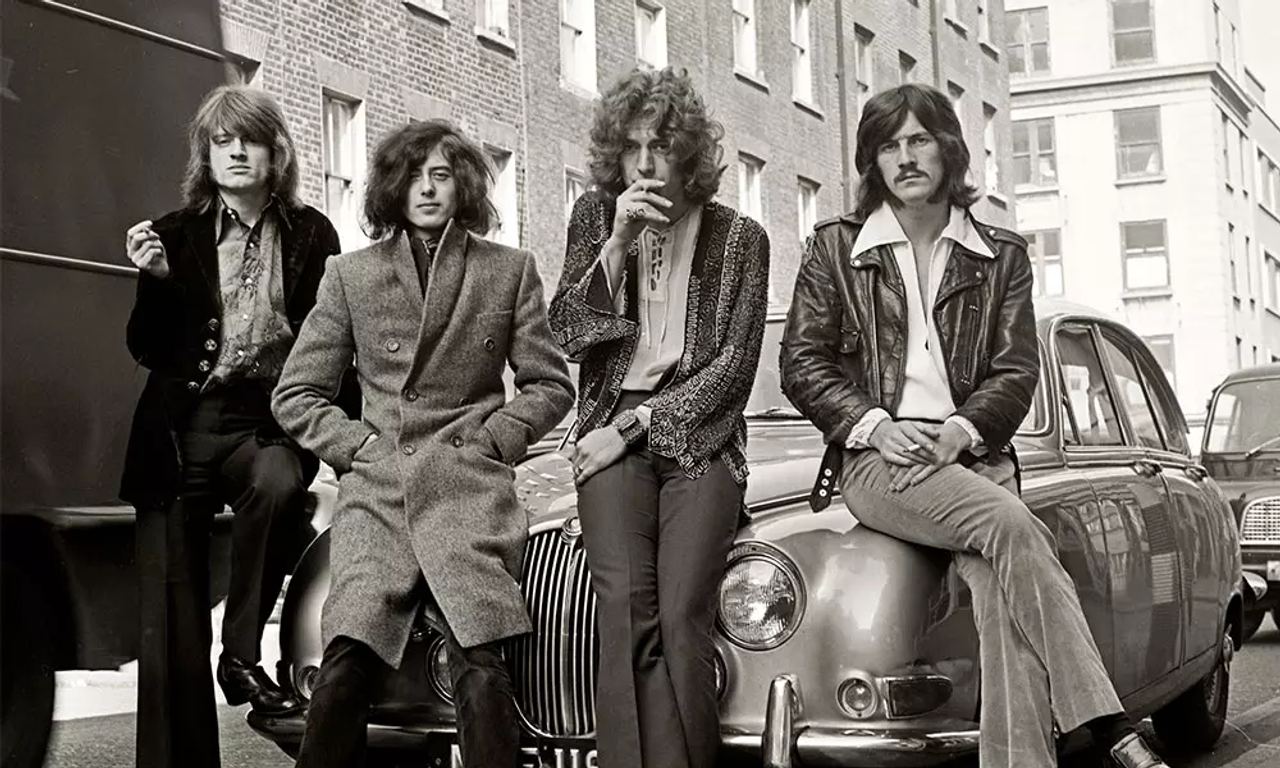
Its opening feels almost timeless. Built around delicate acoustic guitars and John Paul Jones’ haunting recorder arrangement, the introduction evokes the atmosphere of medieval Britain more than modern rock music. The gentle melodies create a dreamlike landscape, inviting listeners into a world filled with mystery and imagination.
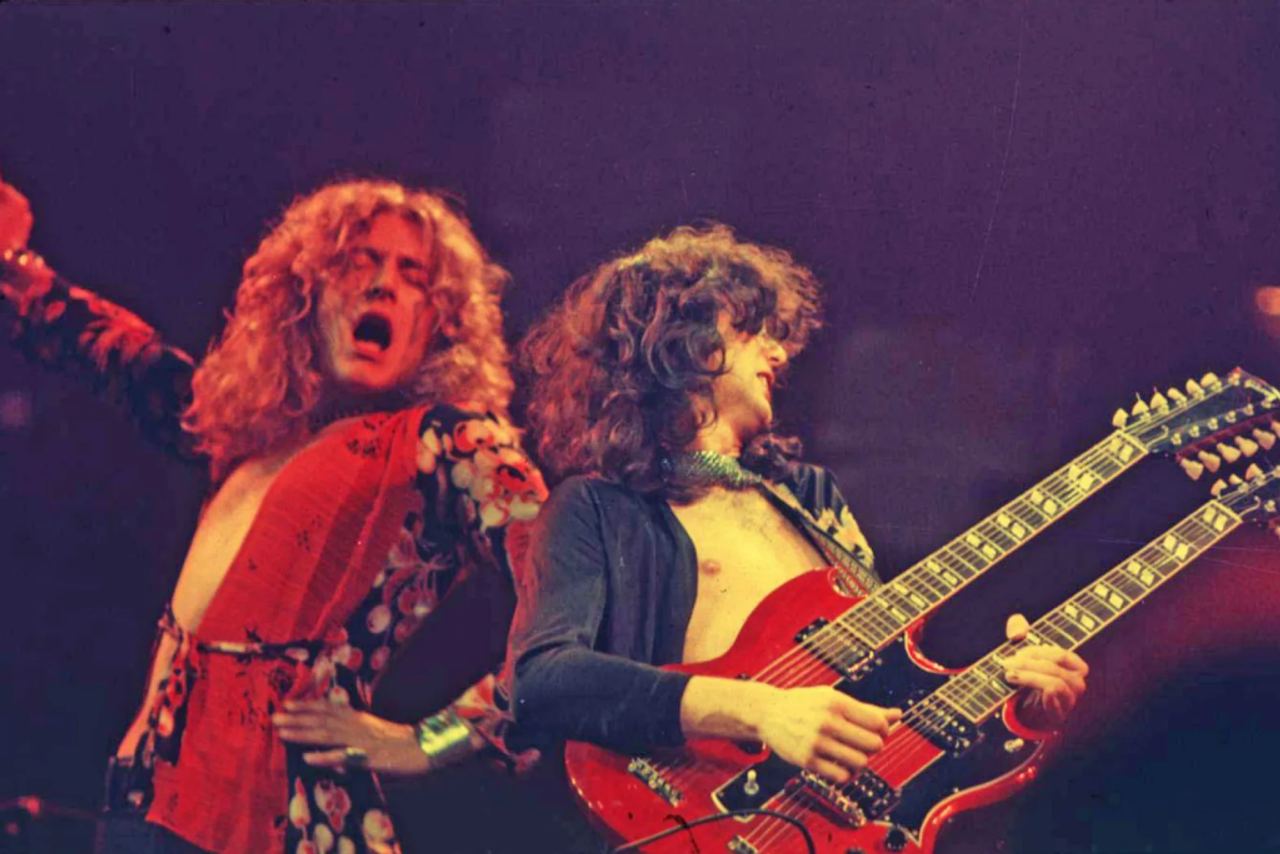
Robert Plant’s lyrics deepen that sense of enchantment. Inspired in part by Lewis Spence’s writings on Celtic mythology and mysticism, the words avoid straightforward storytelling in favor of rich symbolism and poetic imagery. Rather than explaining everything, Plant leaves space for listeners to discover their own meanings, a quality that has fueled decades of discussion and interpretation.

As the song progresses, its character slowly transforms. Additional instruments enter almost imperceptibly, building tension without ever feeling rushed. Each section expands naturally into the next, creating the impression of climbing an invisible staircase toward something larger than the music itself.
Jimmy Page’s soaring guitar solo arrives not as a display of technical ability alone, but as the emotional release the entire song has been building toward. Passionate, melodic, and explosive, it elevates the recording from beautiful to transcendent, carrying the listener into the song’s thunderous final movement. Few solos in rock history have achieved such universal admiration.
For Page, “Stairway to Heaven” represented something far greater than another successful recording. Looking back, he said the song “crystallized the essence of the band.” In his view, it contained everything that made Led Zeppelin unique—their love of folk traditions, their mastery of hard rock, their adventurous songwriting, and their willingness to ignore conventional musical rules. It was, he believed, the band at its absolute best.

That confidence proved well founded. Although never released as a commercial single in many countries, “Stairway to Heaven” became one of the most requested songs in rock radio history. It helped transform Led Zeppelin IV into one of the best-selling albums ever made while introducing millions of listeners to a new level of artistic ambition within popular music.

Its influence has been impossible to measure. From progressive rock to heavy metal, countless artists have borrowed elements of its slow-building structure, emotional dynamics, and cinematic scope. Nearly every ambitious rock epic released since has, consciously or not, been compared to “Stairway to Heaven.”

Yet despite its legendary status, the song has never lost its sense of wonder. New listeners continue to discover it, drawn in by the same gradual transformation that captivated audiences more than half a century ago. Every section feels purposeful, every note earned, creating an experience that rewards repeated listening.

Perhaps that’s why the song has endured for so long. It isn’t simply a showcase for extraordinary musicianship, though it certainly contains that. It is a reminder that great music can unfold like a story, inviting listeners to lose themselves in a world where mystery, beauty, and power coexist.

In the end, “Stairway to Heaven” wasn’t just Led Zeppelin’s greatest achievement. It became the mountain every great rock anthem has been trying to climb ever since.
Read more stories
- She Mocked Her Sister—Then Walked Into Her CEO Office
- Vince Gill built a Hall of Fame career in traditional country music, but his most revealing vocal performance centered entirely on the quiet faith of his wife.
- “The House Is Sold, Claire. You Don’t Live Here Anymore.” My Mother-in-Law Smirked as She Handed Me Divorce Papers on My Own Front Porch Minutes After My Grandmother’s Funeral—But She Had No Idea the Woman She Called Homeless Was the Only Legal Owner of the House They Had Just Stolen
- My parents missed the funeral of my husband and two children because it was my