Celebrities & Music
Marvin Gaye’s ‘What’s Going On’ Redefines Protest Music and Soulful Storytelling in 1971
Marvin Gaye’s ‘What’s Going On’ transformed soul music by bringing a quiet, reflective form of protest into the mainstream in 1971. The article also includes several other music retrospectives and a long section on Doris Day’s enduring 1956 classic, along with a Temptations story about “My Girl.”
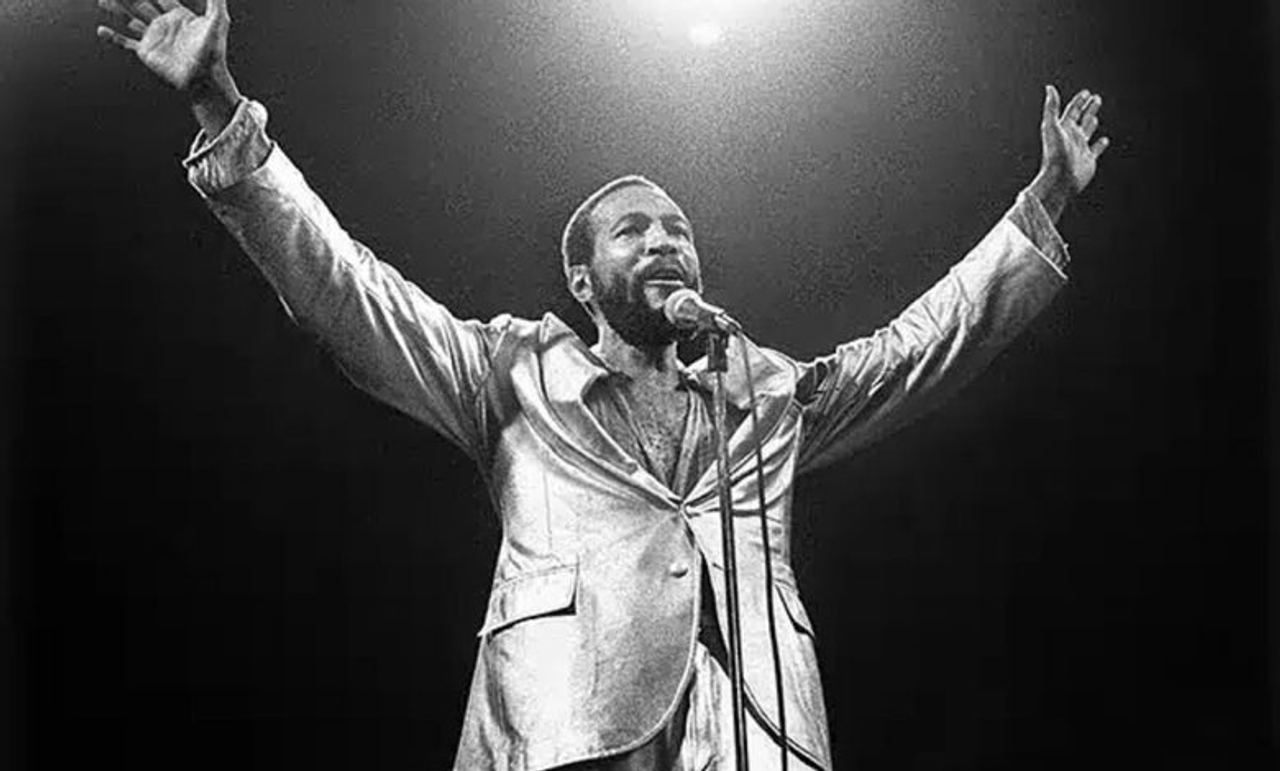
When Marvin Gaye released What’s Going On in 1971, he didn’t just deliver another hit—he shifted the emotional and cultural direction of soul music. Moving away from Motown’s polished love songs, Gaye introduced something deeper, driven by pain, reflection, and urgency. The track quickly climbed to No. 2 on the Billboard Hot 100 and topped the R&B charts, but its real impact went far beyond numbers.
Inspired in part by Renaldo ‘Obie’ Benson after witnessing social unrest, the song became a plea for understanding in a fractured America. Gaye layered his vocals to create a haunting, almost conversational tone, while subtle jazz influences and orchestration added emotional weight. Even Berry Gordy initially resisted its release, fearing controversy—but Gaye refused to back down.
“Mother, mother, there’s too many of you crying.”
That single line transformed the song into something timeless—a question that still echoes across generations.
As the song gained momentum, it opened the door to a new era of “conscious soul,” influencing artists like Stevie Wonder and Curtis Mayfield. It also gave Gaye the creative freedom to craft the full What’s Going On album, now widely considered one of the greatest records ever made.
The song’s emotional core was deeply personal. Still grieving the loss of Tammi Terrell and shaken by the Vietnam War era, Gaye poured his soul into every note. What emerged wasn’t loud protest—it was quiet heartbreak.
This wasn’t a protest that shouted—it was one that wept.
Decades later, its influence continues to ripple through artists like Lauryn Hill and Kendrick Lamar. Though Gaye’s life ended tragically, the song endures as a powerful reminder that sometimes the most important thing we can do is ask the question—and truly listen.
1 minute read
Stone Poneys’ “Different Drum” Hits Its Stride in 1967: A Defining Breakthrough for Folk-Rock and Country-Pop Crossover – Page 2 of 2 – StoryPulse
Stone Poneys’ “Different Drum” Hits Its Stride in 1967: A Defining Breakthrough for Folk-Rock and Country-Pop Crossover
Blog
Betty Klingsman · July 15, 2026 · 0 Comment
Chapter 1: The Song That Introduced Linda Ronstadt to the World
Released in 1967, “Different Drum” became the breakthrough hit for The Stone Poneys and introduced the world to the remarkable voice of Linda Ronstadt. Written by Mike Nesmith before his rise with The Monkees, the song tells the story of two people recognizing they are simply headed in different directions. Producer Nick Venet kept the arrangement simple, allowing Ronstadt’s expressive vocals to take center stage alongside acoustic guitar and subtle percussion. The heartfelt performance gave the lyrics a rare blend of tenderness and independence, helping the single climb to No. 13 on the Billboard Hot 100. At a time dominated by psychedelic rock, its honest storytelling and folk-inspired sound offered listeners something refreshingly sincere and emotionally relatable.
Chapter 2: Watch the Video Here →
[EMBED: [EMBED:
Pages: 1 2
Four Tops’ “Baby I Need Your Loving” Launches a New Era of Soul-Pop Perfection in 1964 – Page 2 of 2 – StoryPulse
Four Tops’ “Baby I Need Your Loving” Launches a New Era of Soul-Pop Perfection in 1964
“Baby I Need Your Loving” didn’t just launch a career—it helped define an entire movement. Its success paved the way for future hits and established The Four Tops as one of Motown’s most essential voices.
The track’s influence extended far beyond its initial release. It became a blueprint for blending heartfelt storytelling with refined production, inspiring generations of soul and R&B artists. That emotional openness—rare at the time—encouraged performers to embrace vulnerability without losing musical sophistication.
As Motown continued to rise, the group followed with iconic songs like “I Can’t Help Myself” and “Reach Out I’ll Be There,” but this was the moment that unlocked everything. It introduced audiences to a sound where heartbreak felt elegant, not overwhelming.
Decades later, the song remains a staple of classic soul, still echoing through playlists and radio waves. Its message—simple, direct, and deeply human—has never faded.
“Baby I Need Your Loving” endures because it captures something timeless: the quiet ache of longing, wrapped in melody, carried by a voice that refuses to be forgotten.
[EMBED: [EMBED:
Pages: 1 2
Bee Gees’ ‘How Deep Is Your Love’ Breaks Pop Barriers in 1977 with Unmatched Soul and Elegance – Page 2 of 2 – StoryPulse
Chapter 1: The Ballad That Showed the Bee Gees’ Softer Side
Released in September 1977, “How Deep Is Your Love” became one of the Bee Gees’ most enduring masterpieces. Written for the blockbuster Saturday Night Fever soundtrack, the song revealed a gentler side of Barry, Robin, and Maurice Gibb, blending pop, soul, and soft rock into a heartfelt ballad that captivated audiences worldwide. Recorded at Criteria Studios in Miami, its warm electric piano, lush strings, and Barry Gibb’s signature falsetto created an intimate atmosphere unlike anything dominating the disco era. The single spent three weeks at No. 1 on the Billboard Hot 100, remained on the chart for an incredible 17 weeks, and earned the 1978 Grammy Award for Best Pop Performance by a Duo or Group with Vocals. Its success proved the Bee Gees could move listeners just as powerfully with tenderness as they could with dance-floor anthems.
Chapter 2: Watch the Video Here →
[EMBED: [EMBED:
Pages: 1 2
Doris Day Recorded a Song in 1956 That Continues to Comfort Generations Worldwide
Doris Day Recorded a Song in 1956 That Continues to Comfort Generations Worldwide
Posted May 23, 2026
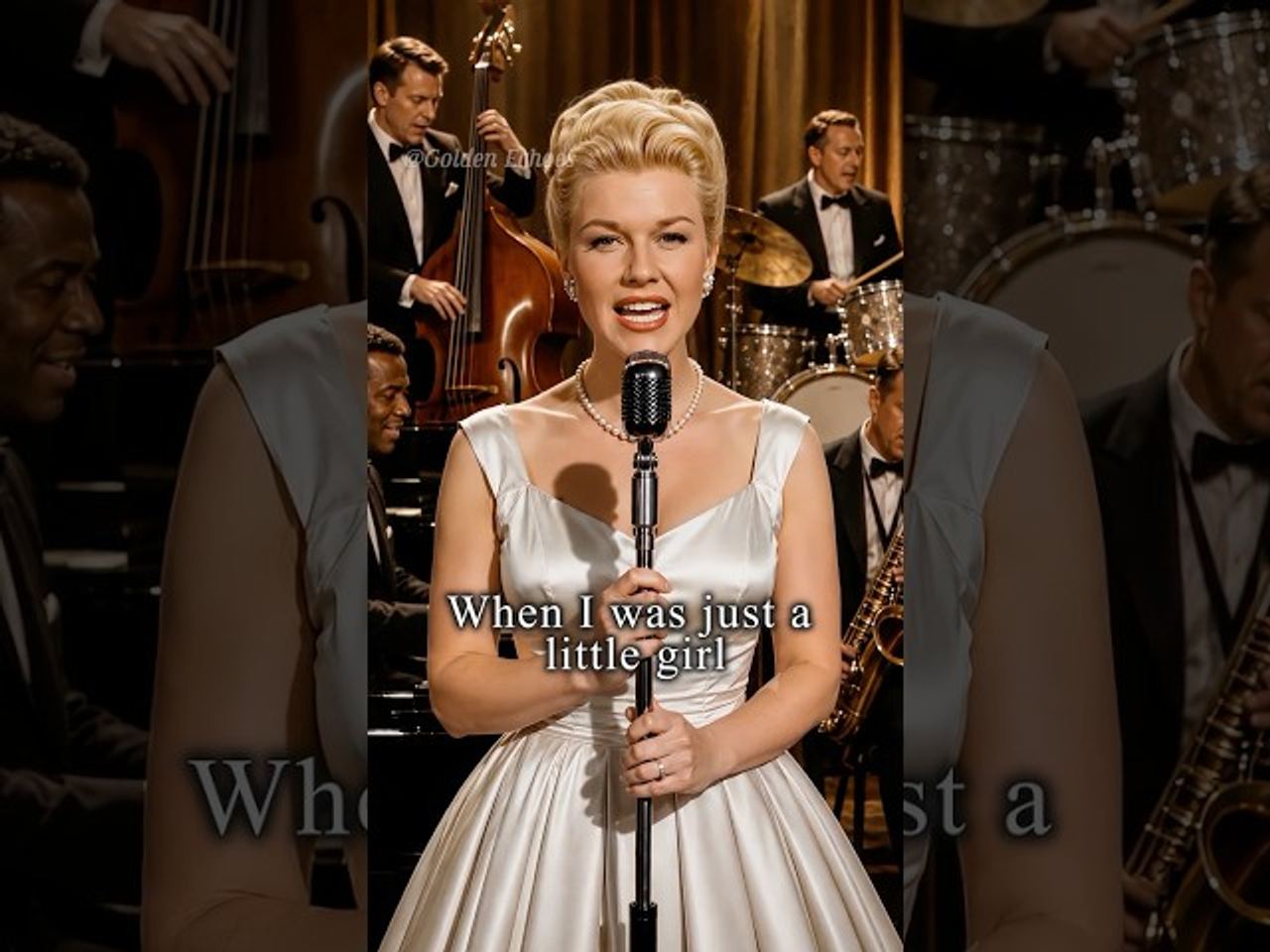
Few songs in the American popular canon have demonstrated the quiet staying power of "Whatever Will Be, Will Be (Que Sera, Sera)," the 1956 recording by Doris Day that has outlasted decades of changing musical fashions.
Originally written by the songwriting duo Jay Livingston and Ray Evans for Alfred Hitchcock’s film The Man Who Knew Too Much, the song won the Academy Award for Best Original Song and introduced audiences to a melody that felt, from its first notes, as though it had always existed.
Doris Day was already one of Hollywood’s most bankable stars when she recorded the track for the film’s soundtrack, but "Que Sera, Sera" became something more than a career highlight.
The song’s central philosophy — that the future remains beautifully unknowable — resonated with postwar American audiences navigating a world that felt simultaneously full of promise and uncertainty. Day’s vocal delivery, warm and conversational rather than theatrical, gave the lyric an intimacy that more polished performances might have missed entirely.
The song’s structure is deceptively simple. Built around a mother-and-child dialogue spanning three verses, each asking the same question across different stages of life, the composition moves from childhood wonder to romantic hope to maternal wisdom.
Day’s voice carries each stage with a naturalness that made the recording feel less like a performance and more like a memory being shared. That quality explains why audience comments decades later still reference childhood, nostalgia, and a sense of things that cannot return.
The cultural footprint of "Que Sera, Sera" extends well beyond its original film context. It became Doris Day’s signature song, serving as the theme for her television series The Doris Day Show from 1968 onward, and has since been covered by artists across genres ranging from Pink Martini to Sly and the Family Stone.
The phrase itself entered everyday language in several countries, functioning as a gentle expression of acceptance that transcends its musical origin. The multilingual audience reactions surrounding this video — comments arriving in Italian, German, Vietnamese, Portuguese, and English — reflect how thoroughly the song’s message has crossed cultural borders.
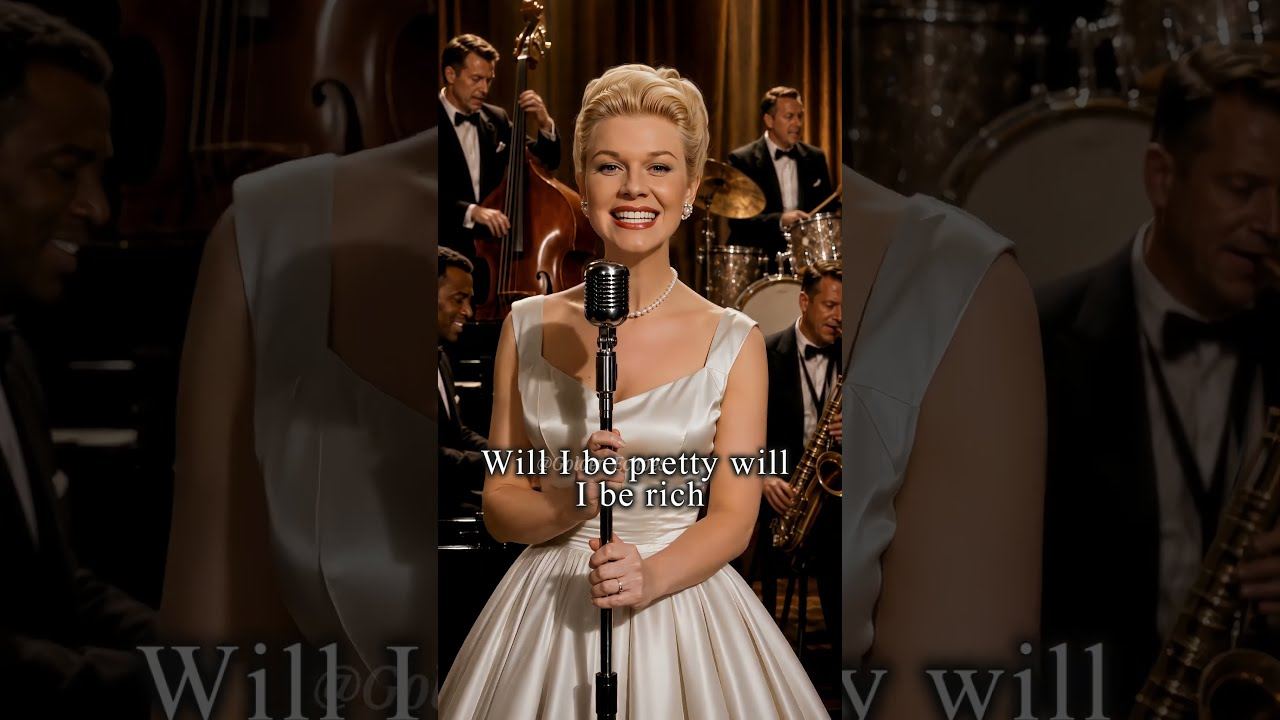
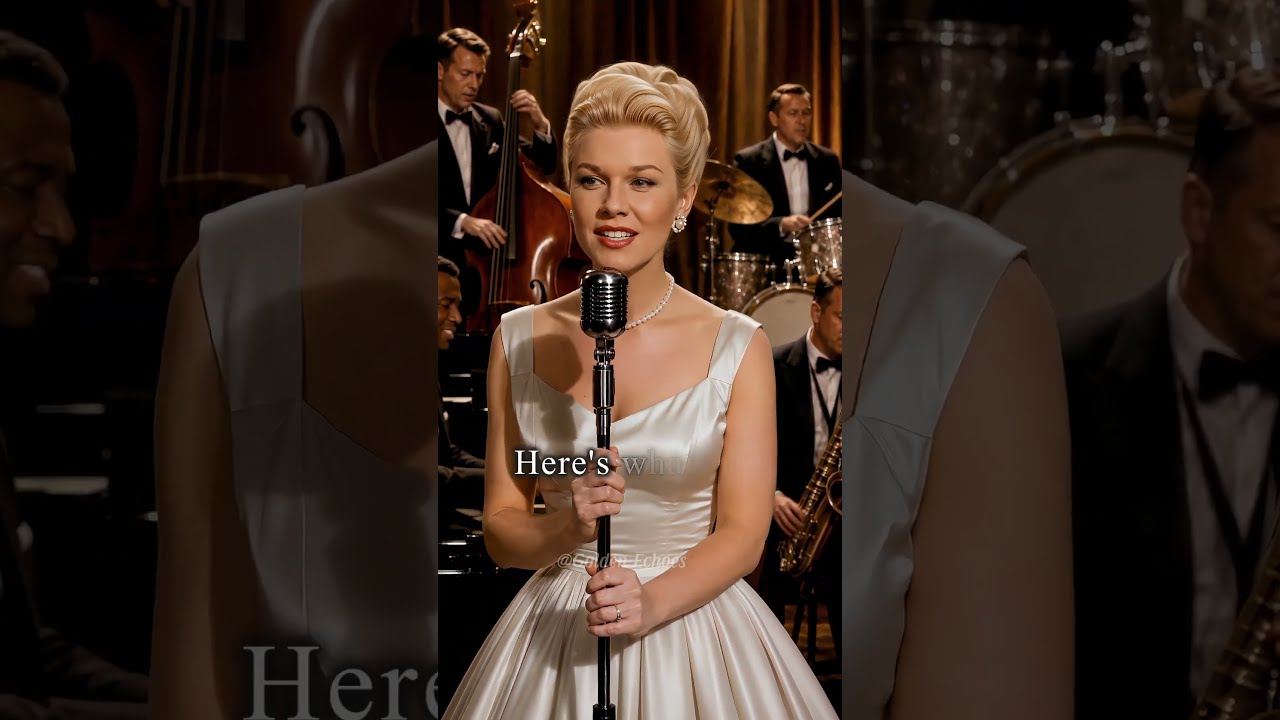
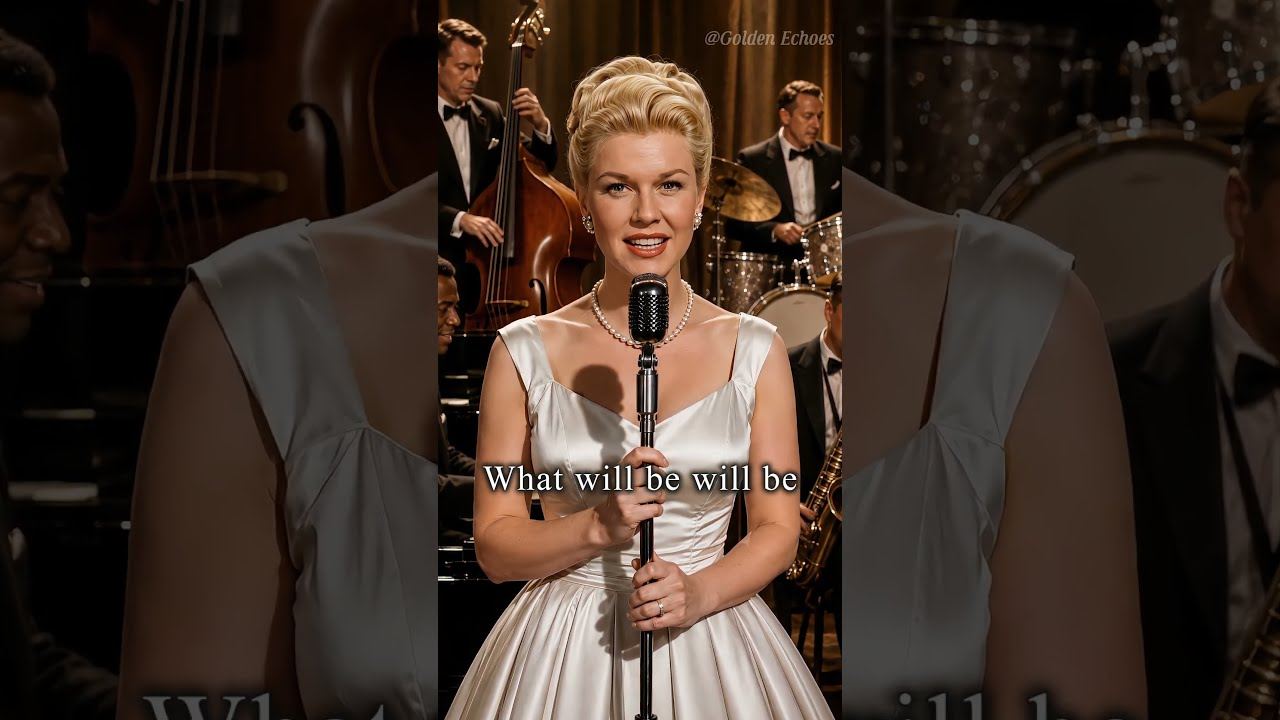
The version presented by the Golden Echoes channel uses AI technology to reconstruct Day’s visual presence alongside her original recording, pairing the lyric video format with a language-learning framework aimed at English learners.
With over 900,000 views, the video demonstrates that new audiences continue to find their way to a recording made nearly seven decades ago. The full performance, along with the on-screen lyrics that made this presentation a destination for listeners around the world, is available in the video below.
▶ Watch the full video below
[EMBED:
If the video doesn’t load, watch it directly on YouTube.
## Report this article
Select a reason for reporting:
Inaccurate information
Copyright
violation
Spam / advertisement
Offensive
content
Other
‘);
footer.hidden = true;
overlay.hidden = false;
document.body.style.overflow = ‘hidden’;
}
function hideSection() {
if (section) section.hidden = true;
}
function openModal() {
if (alreadyReported) {
showSuccess();
return;
}
overlay.hidden = false;
document.body.style.overflow = ‘hidden’;
}
function closeModal() {
overlay.hidden = true;
document.body.style.overflow = ”;
footer.hidden = false;
overlay.querySelectorAll(‘input[name="report_reason"]’).forEach(function(r) {
r.checked = false;
});
document.getElementById(‘reportMessage’).value = ”;
errorBox.hidden = true;
submitBtn.disabled = false;
submitBtn.textContent = ‘Submit report’;
imageItems = [];
imgGrid.innerHTML = ”;
updateAttachBtn();
}
btn.addEventListener(‘click’, openModal);
closeBtn.addEventListener(‘click’, closeModal);
cancelBtn.addEventListener(‘click’, closeModal);
overlay.addEventListener(‘click’, function(e) {
if (e.target === overlay) closeModal();
});
document.addEventListener(‘keydown’, function(e) {
if (!overlay.hidden && e.key === ‘Escape’) closeModal();
});
// — Error helper —
function showError(msg) {
errorBox.textContent = msg;
errorBox.hidden = false;
}
// — Submit —
submitBtn.addEventListener(‘click’, function() {
var selected = overlay.querySelector(‘input[name="report_reason"]:checked’);
if (!selected) {
showError(‘Please select a reason.’);
return;
}
errorBox.hidden = true;
submitBtn.disabled = true;
var itemsToUpload = imageItems.filter(function(it) {
return !it.uploadedUrl;
});
if (itemsToUpload.length === 0) {
doSubmit(selected.value);
return;
}
submitBtn.textContent = ‘Uploading…’;
var done = 0,
failed = 0;
itemsToUpload.forEach(function(entry) {
entry.statusEl.textContent = ‘…’;
entry.statusEl.className = ‘report-img-item__status’;
entry.statusEl.hidden = false;
resizeImage(entry.file, MAX_LONG_PX, function(resized) {
uploadFile(resized, currentSlug, function(err, url) {
done++;
if (err) {
failed++;
entry.statusEl.textContent = ‘Failed’;
entry.statusEl.className =
‘report-img-item__status err’;
} else {
entry.uploadedUrl = url;
entry.statusEl.textContent = ‘✓’;
entry.statusEl.className =
‘report-img-item__status done’;
}
if (done === itemsToUpload.length) {
if (failed > 0) {
showError(‘Could not upload ‘ + failed +
‘ image(s). Remove the failed ones (red) or submit without them.’
);
submitBtn.disabled = false;
submitBtn.textContent = ‘Submit report’;
} else {
doSubmit(selected.value);
}
}
});
});
});
});
function doSubmit(reason) {
submitBtn.textContent = ‘Sending…’;
var uploadedUrls = imageItems
.map(function(it) {
return it.uploadedUrl;
})
.filter(Boolean);
var payload = {
reason: reason,
message: document.getElementById(‘reportMessage’).value.trim(),
post_slug: currentSlug,
post_url: window.location.href
};
if (uploadedUrls.length) payload.image_urls = uploadedUrls;
fetch(‘/api/post-report’, {
method: ‘POST’,
headers: {
‘Content-Type’: ‘application/json’,
‘X-Requested-With’: ‘XMLHttpRequest’
},
body: JSON.stringify(payload)
})
.then(function(r) {
return r.json();
})
.then(function(data) {
if (data && data.ok) {
markReported(currentSlug);
alreadyReported = true;
bodyEl.innerHTML =
‘✓ Thank you for your report.’;
footer.hidden = true;
setTimeout(function() {
closeModal();
footer.hidden = false;
hideSection();
}, 2000);
} else {
showError((data && data.message) ? data.message :
‘Something went wrong. Please try again.’);

submitBtn.disabled = false;
submitBtn.textContent = ‘Submit report’;
}
})
.catch(function() {
showError(‘Connection failed. Please try again.’);
submitBtn.disabled = false;
submitBtn.textContent = ‘Submit report’;
});
}
})()
Comments 0
Posting as
Guest
They Begged For The Song — And Ended Up Making One Of Motown’s Most Beloved Classics
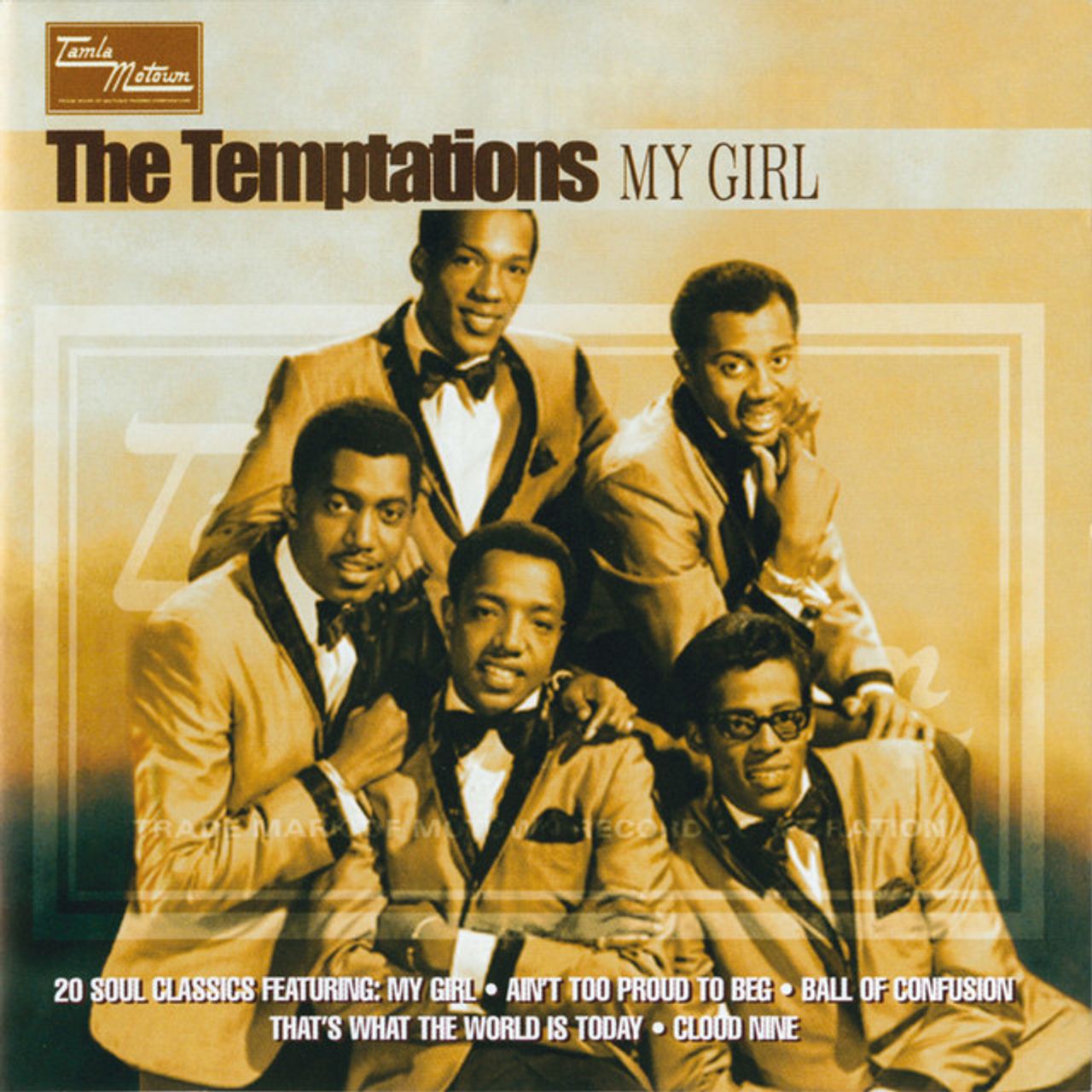
Some songs arrive already fully formed in the minds of their creators. Others change direction at the very last moment, shaped as much by chance as by intention. “My Girl” by The Temptations belongs to the second category — a song whose history could easily have belonged to someone else entirely.
At the center of its origin story is Motown’s most prolific songwriter-producer, Smokey Robinson, who originally intended the track for his own group, The Miracles. While sharing a bill with The Temptations at Harlem’s legendary Apollo Theater, Robinson worked on the song’s rhythm track, laying the foundation for what would become one of the defining records of the Motown era.
When The Temptations heard what Robinson had created, their reaction was immediate. They recognized something special in the arrangement — a warmth and simplicity that stood out even in Motown’s already rich catalog of hits. They began to push for the song to be handed over to them instead of Robinson’s original plan.
In a rare moment of concession, Robinson agreed. That decision would prove pivotal, not only for the song itself but for the direction of The Temptations’ career. It also led to another crucial change: selecting a new lead voice for the track.
For the first time, Robinson chose David Ruffin to sing lead. Ruffin’s voice carried a raw, soulful edge that contrasted with the smoother harmonies of the group. That choice gave “My Girl” its unmistakable emotional identity, grounding its sweetness in a deeper, more expressive tone.
The group spent that week rehearsing the song at the Apollo, refining its harmonies and performance until it felt completely natural. There was a sense that they were preparing something important, even if they could not yet know just how significant it would become.
When they returned to Detroit to record it on December 21, 1964, everything came together with remarkable clarity. The arrangement was simple, but every element felt perfectly placed. The rhythm section carried a gentle momentum, while the vocals layered warmth and precision over the top.
What makes “My Girl” so enduring is its emotional directness. It does not rely on complex storytelling or dramatic twists. Instead, it captures a single feeling — pure, uncomplicated devotion — and expands it into something universally relatable. It is a song that feels both intimate and expansive at the same time.
[EMBED:
Behind the scenes, the collaboration between Robinson and The Temptations represented something larger than a single recording session. It reflected the Motown system at its peak — a place where writers, producers, and performers constantly reshaped material until it found its ideal voice. In this case, that ideal voice turned out not to be the one originally intended.
When “My Girl” was released, it quickly became a defining moment for The Temptations, marking their first Number One hit and establishing them as one of Motown’s premier vocal groups. Its success helped solidify the emotional and musical template they would continue to build on throughout the decade.
Over time, the song has become one of the most recognizable and beloved recordings in soul music history. Its opening bass line alone is enough to evoke instant recognition, even decades after its release. Yet beneath its simplicity lies a carefully crafted collaboration between some of the most important figures in American popular music.
[EMBED:

What makes “My Girl” endure is not just its melody, but the moment of recognition that changed its destiny — the instant The Temptations heard it and knew it belonged to them. Sometimes, greatness begins with a request. And sometimes, the right people simply refuse to let a song go.
Related Topics:
Click to comment
Cancel reply
Share
X
Telegram
Other posts
Jun 07, 2026
The Tragic Isolation Behind The Beatles Masterpiece Eleanor Rigby
Jun 10, 2026
The Secret Life of Bill Withers: From Toilet Installer to Legend
Jun 01, 2026
Ladies and gentlemen… this song once made the whole world feel young again. But today, onl…
Jul 21, 2026
The Secret Architect Behind Linda Ronstadt: How Peter Asher Changed Rock
Jun 01, 2026
Elvis Presley’s “If I Can Dream” Becomes His Final Testament of Hope and Humanity in 1968…
Jul 18, 2026
Badfinger’s ‘Come and Get It’ Launches a New Era for British Rock-Pop in 1969-2 – Page 2 o…
Jun 01, 2026
The Tragic Secret Behind The Drifters and Their Joyful Summer Anthem
Jun 28, 2026
The Kinks’ ‘Sunny Afternoon’ Captures 1966’s Class Tensions and Transforms Pop with Bitter…
Read more stories
- The Mother Who Tested Her Children And Found Her Real Family At The Door
- My Son and His Wife Took Their Son on a $20K Cruise, Leaving Their Daughter Home — By Noon, I Was Standing at Their Table.
- EVERYONE ELSE IN THE FAMILY INHERITED THE STAGE AND THE SPOTLIGHT—BUT THE SON WHO COULD NOT SING BECAME THE ANCHOR THAT HELD A COUNTRY MUSIC DYNASTY TOGETHER.
- HOA Karen Sealed My Gate with Concrete — Then Realized My Road Was Their Only Way Out