
News
Barbara Mandrell’s ‘Sleeping Single in a Double Bed’ and the Country-Pop Shift of 1978
Barbara Mandrell’s breakthrough 1978 hit turned heartbreak into a sharp, modern statement and helped define a new era of country stardom.

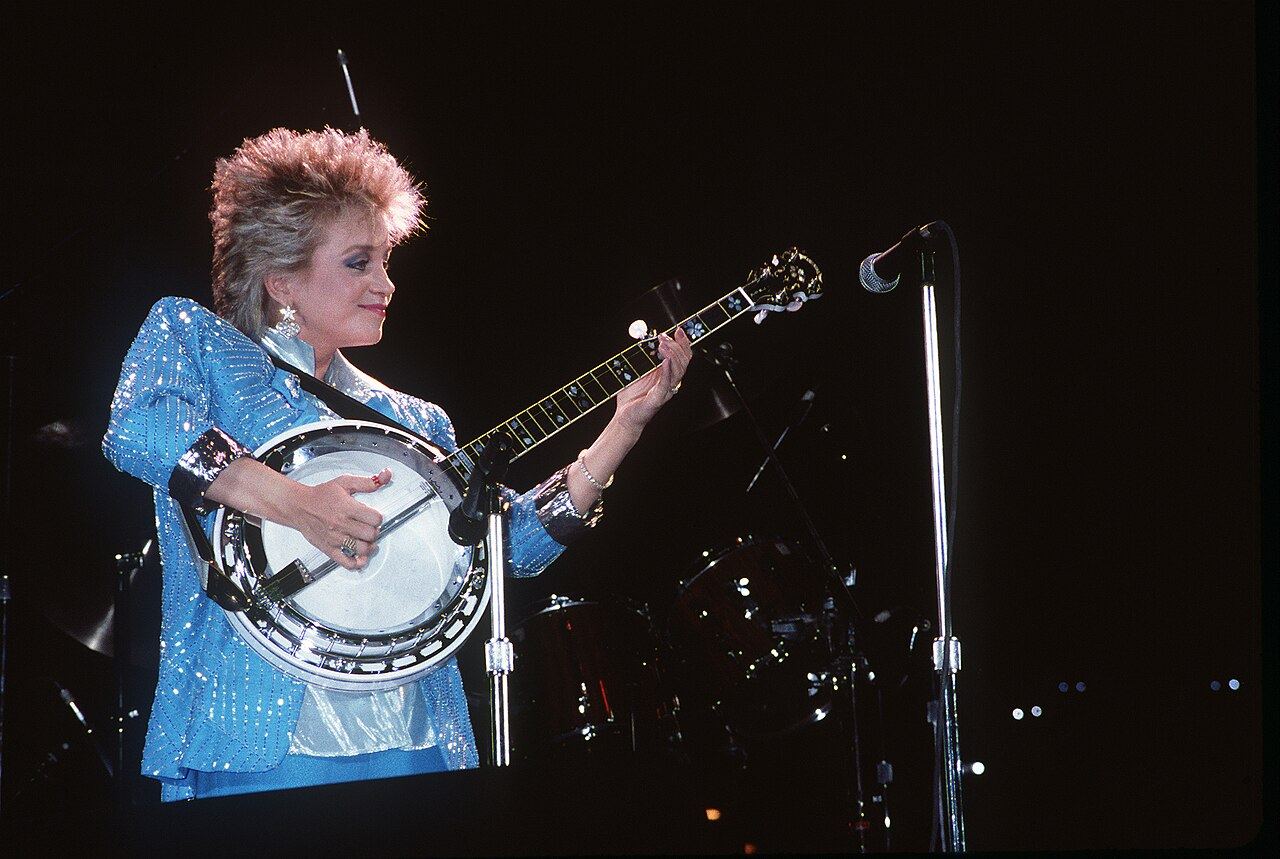
A breakthrough moment for Barbara Mandrell
When “Sleeping Single in a Double Bed” arrived in 1978, it signaled a major change in Barbara Mandrell’s career. Already respected for her musicianship, stage presence, and versatility, Mandrell had spent years building an audience, but this single gave her a defining mainstream breakthrough. It became her first No. 1 hit on Billboard’s Hot Country Singles chart and established her as one of the most visible women in country music at the end of the decade.
The success of the song mattered for more than its chart performance. It confirmed that Mandrell could occupy a space that was unmistakably country while also sounding sleek, contemporary, and radio-ready. At a time when country music was increasingly open to crossover polish, she emerged as an artist who could carry emotional realism without sacrificing accessibility.
A song about loneliness with a modern edge
Written by Kye Fleming and Dennis Morgan, “Sleeping Single in a Double Bed” centers on a simple but devastating image: sharing the space of a relationship after its emotional center has collapsed. The title itself does much of the storytelling, capturing isolation, disappointment, and resignation in a phrase that feels instantly memorable. Its emotional clarity helped make the song feel personal to listeners, especially women who heard their own experiences reflected back in it.
What made the record stand out was the way it paired that loneliness with a sense of self-possession. The narrator is wounded, but not passive. Instead of treating heartbreak as purely sentimental tragedy, the song frames it as a condition to be named and confronted. That gave the record a modern energy that fit the changing mood of late-1970s country.
Its central image was both intimate and universal: the pain of realizing that a shared life can feel empty even before it officially ends.
Why the record connected in 1978
By the late 1970s, country music was expanding in sound and audience. Production styles were becoming smoother, and artists who could bridge traditional themes with contemporary presentation were increasingly valuable to radio and television. Mandrell fit that moment perfectly. “Sleeping Single in a Double Bed” had the emotional directness country audiences expected, but it also carried the stylish sheen of country-pop.
The record’s appeal also rested on Mandrell’s performance. She delivered the song with conviction rather than melodrama, giving it enough vulnerability to feel believable and enough poise to feel empowering. That balance helped broaden her audience and positioned her as a star capable of speaking to both core country fans and listeners drawn to crossover sophistication.
Female perspective, independence, and emotional honesty
One reason the song has remained significant is the way it centers a woman’s point of view without softening its discomfort. In Mandrell’s hands, the song was not merely about romantic disappointment; it was about emotional reality inside a failing relationship. That perspective gave the single a quiet feminist charge, even without turning it into an overt manifesto.
The idea of female empowerment in country music has often been carried through songs that tell hard truths plainly. “Sleeping Single in a Double Bed” belongs to that tradition. It gives voice to loneliness, but it also suggests awareness and dignity. The narrator may be hurting, yet she is not confused about what she is living through, and that honesty is part of what made the record resonate so deeply.

The hit that helped define Mandrell’s star era
The success of “Sleeping Single in a Double Bed” helped launch Barbara Mandrell into one of the most prominent periods of her career. It became a foundational hit in the run that would make her one of country music’s biggest stars, and it sharpened the public image that audiences came to associate with her: glamorous, musically gifted, emotionally direct, and fully in command of the stage.
Mandrell’s broader appeal was rooted in more than image alone. She was a formidable performer with deep musical training, and that credibility strengthened every crossover move she made. The single therefore stands as more than a commercial milestone. It was proof that sophistication and country authenticity did not have to be at odds.
The song’s lasting place in country-pop history
Today, “Sleeping Single in a Double Bed” is remembered as one of the key records in Barbara Mandrell’s catalog and an important example of late-1970s country-pop. Its impact lies in the way it captured a transitional moment for the genre: traditional in theme, contemporary in style, and unafraid to foreground a woman’s emotional interior with unusual sharpness.
Its legacy endures because the song still feels legible to modern listeners. The experience it describes is timeless, and the way Mandrell delivers it remains compelling. For fans of country history, the record marks a breakthrough; for newer audiences, it offers a clear example of how country-pop learned to sound polished without losing its emotional bite.
Quick Facts
- Artist: Barbara Mandrell
- Song: Sleeping Single in a Double Bed
- Release year: 1978
- Songwriters: Kye Fleming and Dennis Morgan
- Notable achievement: Barbara Mandrell’s first No. 1 on Billboard Hot Country Singles
- Genre context: Late-1970s country-pop
Image credits: U.S. DoD / Wikimedia Commons / Public domain; Dave McLeod, U.S. Air Force / Wikimedia Commons / Public domain.