
News
‘Unchained Melody’: How a 1955 Song by Alex North and Hy Zaret Became a Pop Standard Through The Righteous Brothers

‘Unchained Melody’: How a 1955 Song by Alex North and Hy Zaret Became a Pop Standard Through The Righteous Brothers
Written in 1955 for a prison film and later immortalized by The Righteous Brothers, “Unchained Melody” has endured as one of popular music’s most recognizable expressions of longing.
A song born in Hollywood, not the pop charts
“Unchained Melody” began in 1955 as a song created for the prison drama Unchained. Composer Alex North wrote the music and lyricist Hy Zaret supplied words that turned physical separation into something universal: a plea for connection, patience and return.
That origin matters because the song was never conceived as a disposable hit single. It was built as a dramatic piece, with a stately melody and unusually direct emotional language. Even removed from its film setting, the composition carried a cinematic intensity that helped it travel far beyond its first purpose.
Todd Duncan established the song’s emotional core
The first widely known performance came from singer Todd Duncan, whose interpretation introduced listeners to the song’s blend of classical poise and popular sentiment. His version helped establish the template: restrained but deeply felt, formal in structure yet vulnerable in tone.
From the beginning, “Unchained Melody” stood apart from many mid-1950s pop songs because it did not rely on novelty or rhythmic fashion. Its strength came from the melody’s long arc and the lyric’s simple ache. That combination gave performers room to project their own style without losing the song’s essential identity.
The Righteous Brothers turned it into a modern myth in 1965
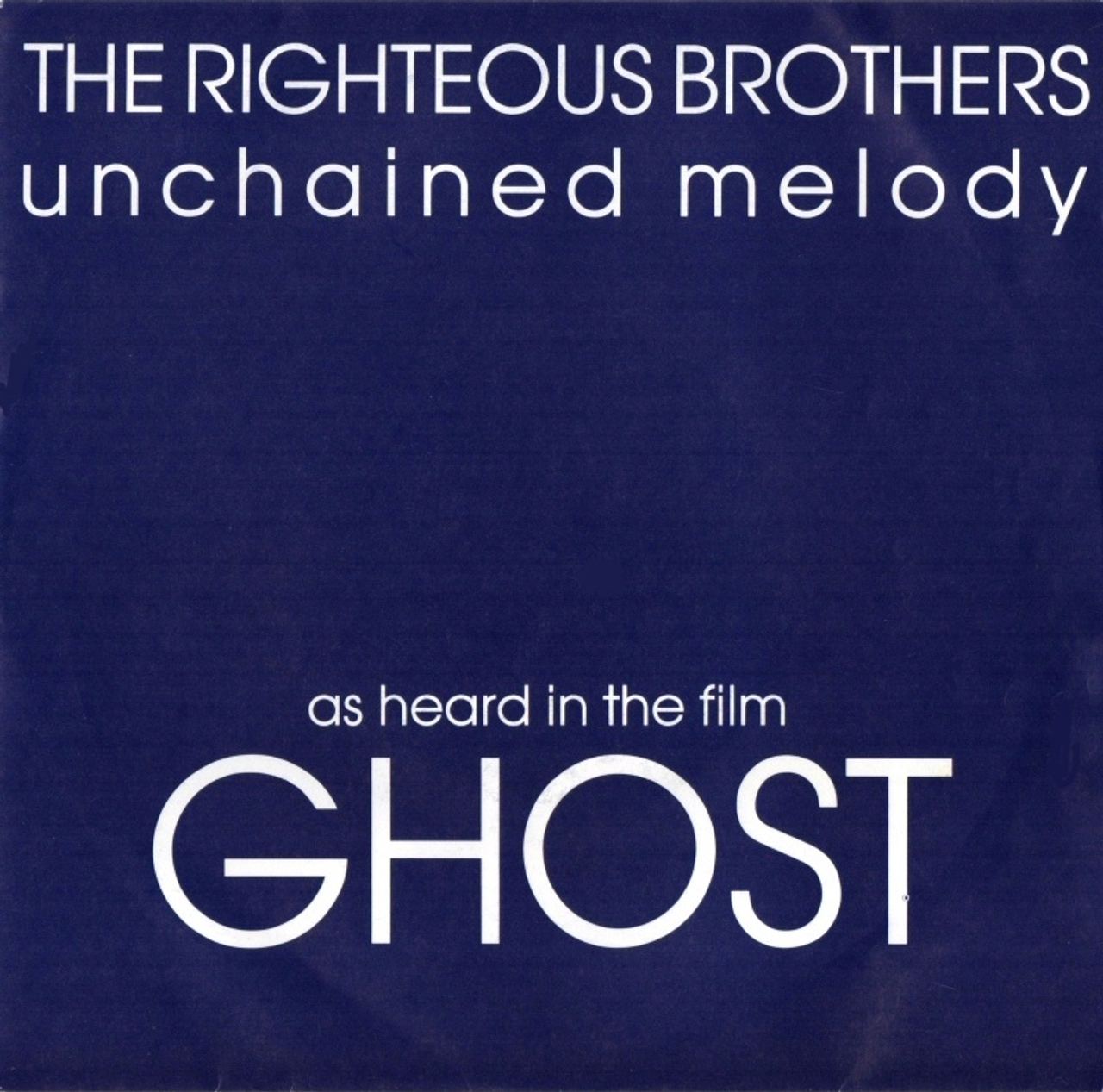
A decade later, The Righteous Brothers delivered the version that came to define the song for generations of listeners. Their recording brought a new scale of emotional drama, moving from intimate yearning to near-operatic release. The vocal performance, especially its high-reaching intensity, transformed the composition from admired standard into cultural landmark.
What made that rendition so powerful was its command of tension. The arrangement leaves space for the voice to carry the story, and the vocal phrasing stretches longing almost to breaking point. In that performance, “Unchained Melody” ceased to be merely a beautiful song and became an experience people returned to for catharsis.
In the hands of The Righteous Brothers, “Unchained Melody” became more than a love song; it became shorthand for yearning itself.
Why the song continues to work across generations
Few standards survive so many changing eras without losing their force. “Unchained Melody” has done so because its themes are elemental. Separation, desire, time and hope are presented in language simple enough to be immediate yet spacious enough for listeners to fill with their own memories.
Musically, the song offers interpreters an ideal framework. The melody is elegant but demanding, requiring control, breath and emotional conviction. That challenge has attracted singers from different genres and traditions, helping the song move easily between pop, soul, adult contemporary, stage performance and ceremonial use.
Hundreds of recordings, one unmistakable identity
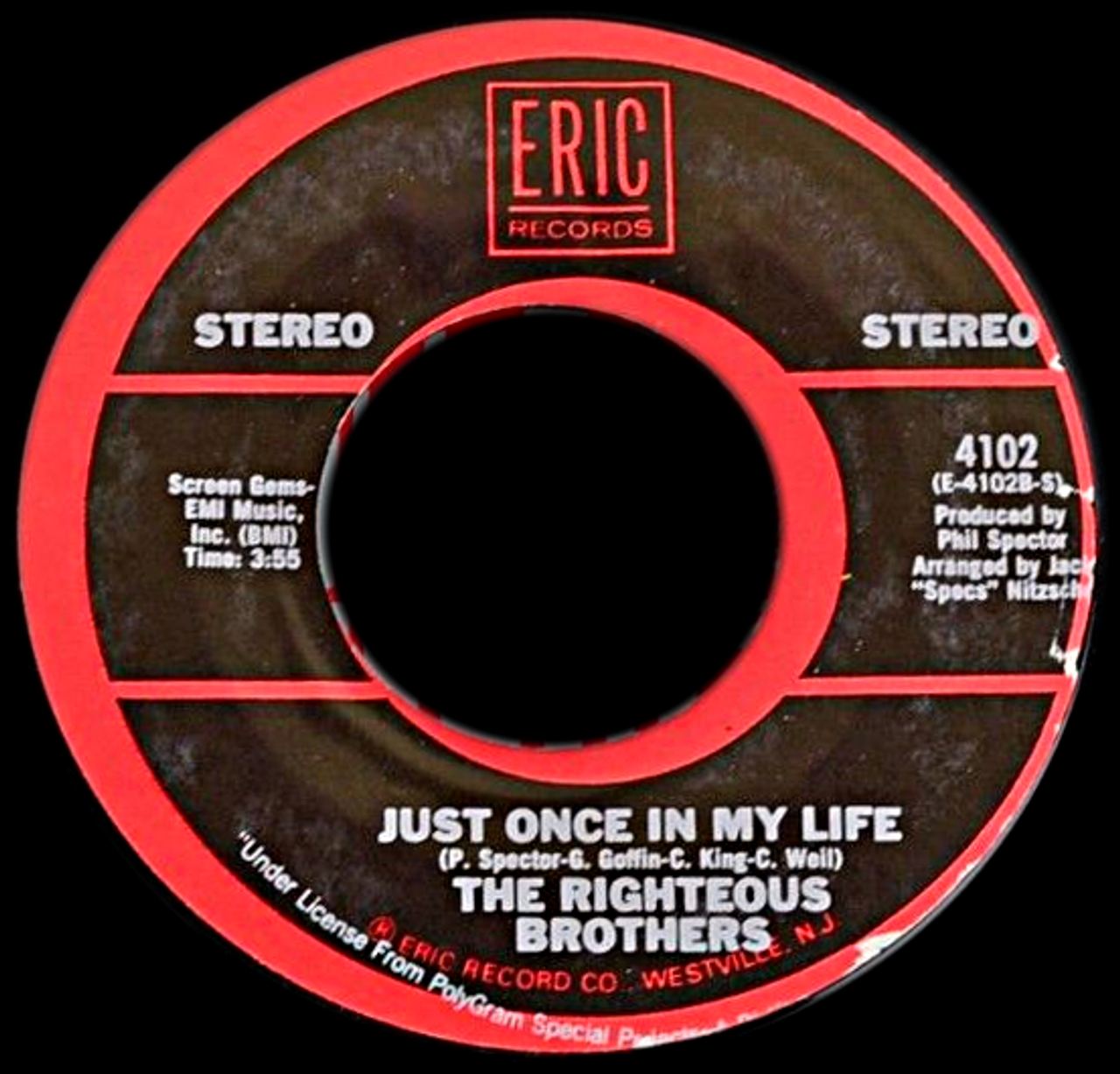
Over the decades, “Unchained Melody” has been recorded by hundreds of artists around the world. That breadth is part of its story: unlike songs bound tightly to one arrangement or one cultural moment, this one proves endlessly reusable. It can be sung with orchestral grandeur, devotional intimacy or stripped-back melancholy.
Yet even with so many versions in circulation, the song retains a remarkably stable identity. Listeners recognize it almost instantly from its opening contour and emotional climb. That is the mark of a true standard: a work flexible enough for reinvention, but strong enough that its character remains intact.
The legacy of Alex North, Hy Zaret and an enduring standard
The lasting success of “Unchained Melody” speaks to the rare alignment of composition, lyric and performance history. Alex North and Hy Zaret created a song with durable architecture, while early interpreters proved its emotional viability. The Righteous Brothers then delivered the version that embedded it in popular memory on a mass scale.
Today, the song endures not only because of nostalgia, but because it still communicates directly. New listeners do not need historical context to understand its feeling. That immediate emotional readability is why “Unchained Melody” remains one of modern music’s most enduring songs, still capable of sounding intimate even after decades of repetition.
Quick Facts
- Song: Unchained Melody
- Written by: Alex North and Hy Zaret
- First written: 1955
- Originally associated with: the film Unchained
- Early performer: Todd Duncan
- Defining later version: The Righteous Brothers (1965)
Image credits: Verve Records / Polydor Ltd / Wikimedia Commons / Public domain; Eric Records / Polygram Records / Wikimedia Commons / Public domain.