
Celebrities & Music
The Song Many Musicians Call The Greatest Love Song Ever Written!
The article praises The Beach Boys’ “God Only Knows” as one of the greatest love songs ever written, highlighting its vulnerability, groundbreaking production, and lasting emotional impact. It then transitions into a long-form feature on Jerry Lee Lewis’s “Great Balls of Fire,” exploring its cultural shockwave, musical intensity, and legacy.

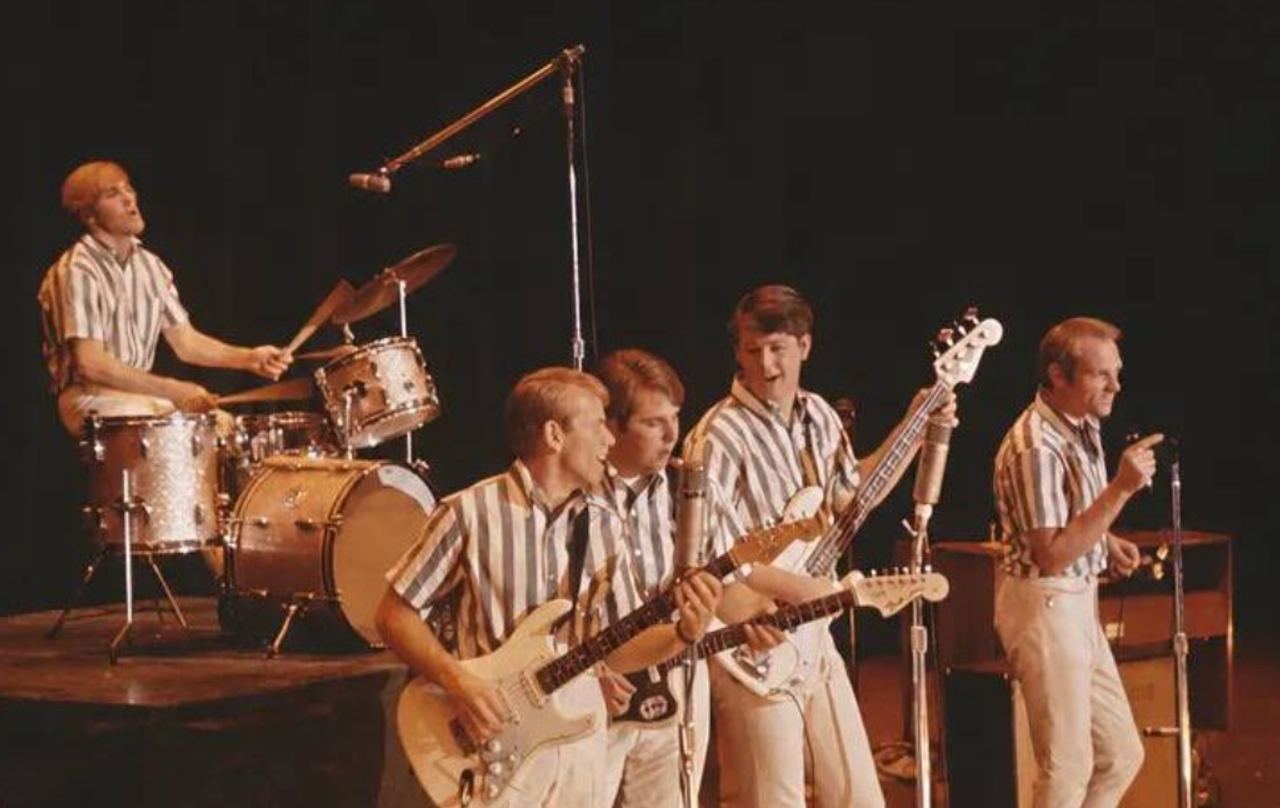
When The Beach Boys released “God Only Knows” in 1966, popular music was entering one of its most creative periods. Yet even among the incredible songs being released during that era, this recording stood apart.
Written primarily by Brian Wilson and Tony Asher, the song approached love with remarkable vulnerability. Rather than making grand promises, it expressed gratitude, devotion, and emotional dependence in a way listeners had rarely heard before.
The recording itself was groundbreaking. Wilson employed sophisticated arrangements, layered harmonies, and innovative production techniques that pushed the boundaries of what pop music could accomplish.
Although it wasn’t initially the band’s biggest commercial hit, its reputation grew steadily over time. Musicians, critics, and historians increasingly recognized it as one of the greatest achievements in modern songwriting.
Today, “God Only Know” is frequently ranked among the greatest songs ever recorded. Its emotional sincerity, beautiful melody, and timeless message continue touching listeners across generations. For many people, it isn’t simply a song—it’s a reminder of how powerful music can be when it comes from the heart.
Continue reading
The Dark True Story Behind Lynyrd Skynyrd's 1974 Warning Hit
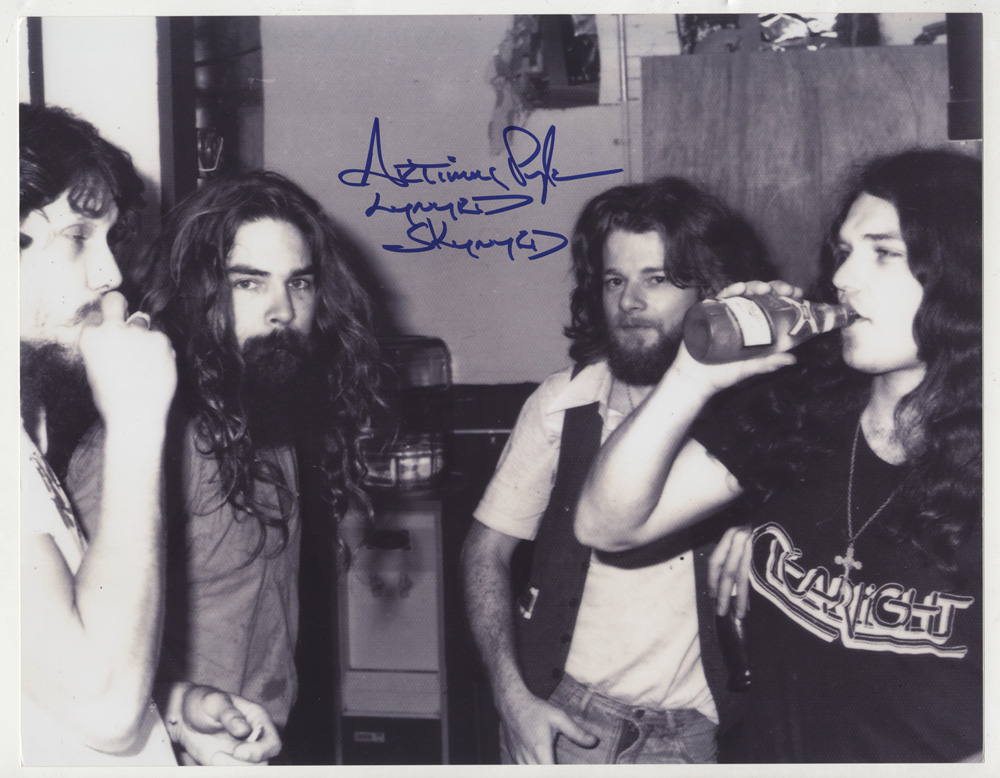
Most casual listeners tap their feet to the driving rhythm of Lynyrd Skynyrd, but beneath the Southern rock bravado of their 1974 classic, The Needle and the Spoon, lies a harrowing, blood-soaked truth that many fans have overlooked for decades. While the band is often celebrated for their rebellious spirit and anthemic choruses, this specific track was far from a simple ode to the rock and roll lifestyle. It was, in reality, a visceral warning written in the ashes of personal devastation, a stark message from the band about the suffocating grip of addiction that was slowly strangling their inner circle.
During the mid-seventies, Lynyrd Skynyrd was riding a tidal wave of fame, fueled by relentless touring and the heavy toll of exhaustion. But behind the iconic stage presence of Ronnie Van Zant and the band, a shadow was looming. The song emerged as a direct response to the escalating abuse of substances within their ranks. It captured the terrifying duality of the era: the thin line between being a rock god on stage and a hollow shell broken by bootleg chemicals and reckless consumption. This was not a song about partying; it was a desperate plea for survival delivered through grit and heavy guitar chords.
The lyrics serve as a haunting diary entry from a time when the Southern rock scene was blurring the lines between recreation and ruin. Ronnie Van Zant, known for his piercing honesty, didn’t shy away from the brutality of the situation. He witnessed firsthand how substances could erode talent and life itself. By immortalizing these struggles in 1974, Lynyrd Skynyrd stripped away the glamour that the press usually associated with bands of that era, exposing the raw, ugly reality of what happened after the house lights went down and the whiskey bottles were drained.
What makes the legacy of Lynyrd Skynyrd so enduring is this very capacity for unflinching truth. Their music was never just about a sound; it was a testament to the lives they lived and the tragedies they navigated. Today, when you listen to the track, the rhythm feels different once you recognize it as a siren song. It is a reminder that even the most legendary figures are susceptible to the same vices that plague us all. The song remains a chilling reminder that for many in the 1970s, the price of fame was often paid in blood.
As we look back on the golden age of rock, we must ask ourselves how many other hidden warnings were buried in the liner notes of our favorite albums. Lynyrd Skynyrd dared to speak the unspeakable, turning a private nightmare into a public cautionary tale that still resonates with every listener who appreciates the weight behind their music. Do you think we lost the heart of rock and roll when we stopped listening to the warnings hidden in the songs, or are we finally ready to hear the truth?
Under the Umbrella of Everyday Life: How “Bus Stop” Turned Waiting Into One of Pop’s Most Human Love Stories – Page 2 of 2 – StoryPulse
Under the Umbrella of Everyday Life: How “Bus Stop” Turned Waiting Into One of Pop’s Most Human Love Stories – StoryPulse
Read from start
Home
Blog Under the Umbrella of Everyday Life: How “Bus Stop” Turned Waiting Into One of Pop’s Most Human Love Stories
Chapter 1: A Rainy Bus Stop Became One of the Sweetest Love Stories of the 1960s
Released in the summer of 1966, The Hollies’ “Bus Stop” proved that unforgettable love stories don’t always begin with grand gestures. Written by a young Graham Gouldman, the song follows two strangers whose daily meetings beneath a shared umbrella slowly blossom into romance. Inspired by everyday scenes Gouldman observed while riding buses in Manchester, the lyrics unfolded like a miniature short story, celebrating patience, coincidence, and the quiet beauty of ordinary life. The Hollies brought the narrative to life with sparkling harmonies, crisp guitar work, and a restrained arrangement that perfectly matched its reflective mood. The single became the band’s first major breakthrough in the United States, reaching the Top 5 on the Billboard Hot 100 while also becoming a major success in the UK, proving that subtle storytelling could captivate audiences around the world.
Pages: 1 2
Released in 1957, this song didn’t just shake the charts… it shook an entire generation.
Released in 1957, this song didn’t just shake the charts… it shook an entire generation. Decades later, its reckless energy and untamed spirit still sound as dangerous as the first time the world heard it.
When “Great Balls of Fire” exploded onto radios in 1957, it did not sound like ordinary music but instead felt like a cultural detonation powerful enough to shake the foundations of conservative American society overnight.
At a time when much of popular music still carried polished restraint and carefully controlled emotion, Jerry Lee Lewis arrived with wild piano rhythms, dangerous energy, and a voice that sounded completely untamed by convention.
The song immediately separated itself from nearly everything else dominating the charts because it carried the reckless spirit of rock and roll in its purest, loudest, and most unapologetic form imaginable.
Listeners did not simply hear “Great Balls of Fire” for the first time because they experienced it almost physically, like being caught inside a storm of rhythm, sweat, rebellion, and youthful adrenaline.
From its explosive opening piano chords, the recording created the sensation that something unpredictable and slightly dangerous was about to happen before the first lyric even fully arrived inside the listener’s ears.
That feeling became central to Jerry Lee Lewis’s identity throughout his career because he never approached music politely, carefully, or safely in the way many performers of the era still attempted to do.
Born in Ferriday, Louisiana, Lewis grew up surrounded by gospel music, southern culture, and strict religious influences that would later collide violently with the rebellious energy defining his public image and performances.
Even as a child, he displayed extraordinary talent at the piano, often playing with such intensity that family members and local audiences recognized immediately that he possessed something rare and emotionally explosive.
Unlike many polished entertainers carefully shaped by record companies, Jerry Lee Lewis seemed almost impossible to control because his performances carried raw instinct rather than calculated professionalism or commercial restraint.
By the mid-1950s, rock and roll had already begun reshaping American youth culture through artists like Elvis Presley, Little Richard, and Chuck Berry, yet Lewis somehow pushed the genre’s intensity even further.
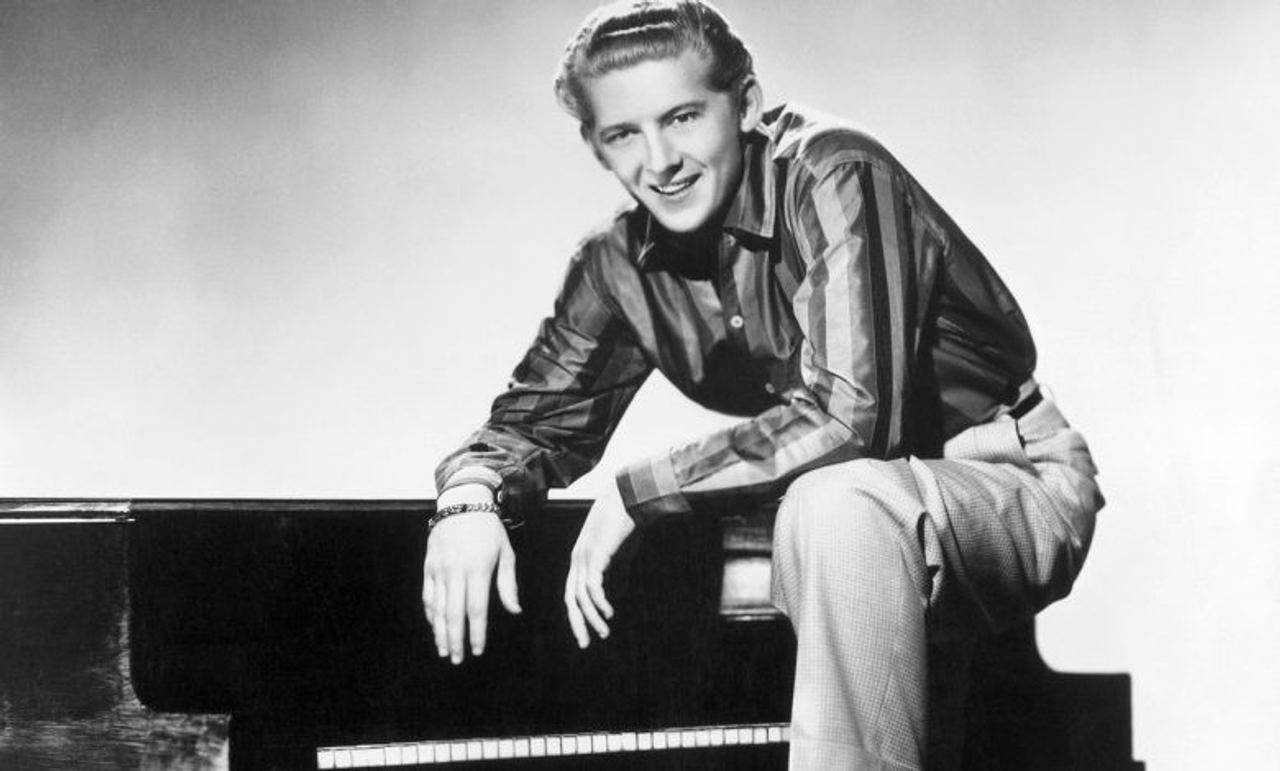
When he signed with Sun Records in Memphis, the legendary label run by Sam Phillips, Lewis entered the same creative environment that had already launched several of rock music’s most influential early pioneers.
However, even among such legendary company, Jerry Lee Lewis stood apart because his piano-driven chaos and volcanic stage presence often felt more reckless and emotionally unpredictable than nearly anyone around him.
“Great Balls of Fire” was written by Otis Blackwell and Jack Hammer, yet once Lewis performed it, the song became inseparable from his personality, energy, and almost frightening level of emotional intensity.
Ironically, Lewis initially resisted recording the song because of its suggestive lyrics and the conflict he felt between his religious upbringing and the provocative spirit of early rock and roll culture.
That inner conflict would follow him throughout much of his life because Jerry Lee Lewis often seemed emotionally trapped between gospel morality and the uncontrollable temptations of fame, desire, and rebellion surrounding him.
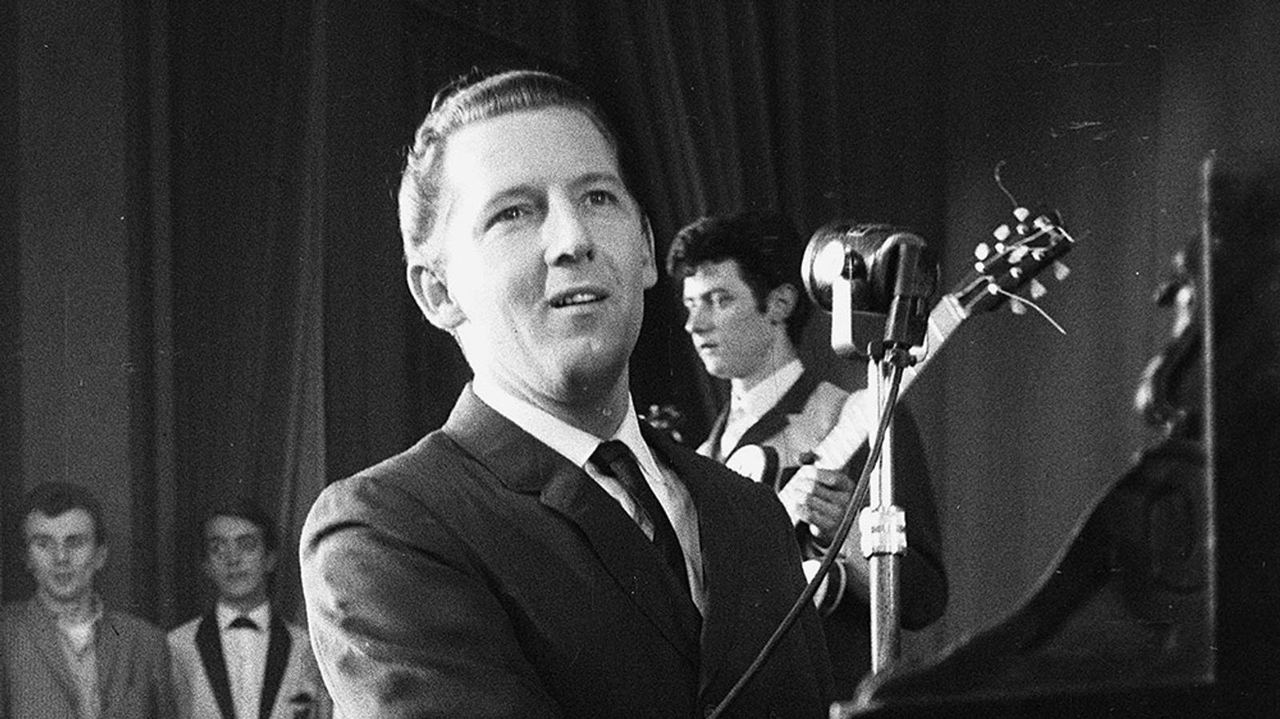
Jerry Lee Lewis Dead at 87
Yet perhaps that emotional contradiction helped give “Great Balls of Fire” its extraordinary power because the recording feels fueled equally by excitement, guilt, passion, and emotional chaos all erupting simultaneously.
The song’s pounding piano performance instantly became legendary, showcasing Lewis attacking the instrument with a ferocity that transformed the piano from a traditional accompaniment into the emotional engine driving the entire recording forward.
Rather than sitting calmly behind the keys, Lewis performed with physical aggression, kicking benches, standing atop pianos, and pounding the instrument as though trying to overpower the room through sheer energy alone.
That explosive performance style shocked older audiences while electrifying younger listeners who were already hungry for music that reflected rebellion, freedom, sexuality, and emotional release during a rapidly changing cultural moment in America.
When the single was released, it became an enormous commercial success, climbing rapidly up the charts and eventually selling millions of copies across both American and international markets.
The recording helped solidify Jerry Lee Lewis as one of rock and roll’s defining early stars, alongside names that would eventually become foundational figures within modern music history itself.
Yet beyond commercial achievement, “Great Balls of Fire” represented something culturally larger because it symbolized the growing divide between traditional American values and the rebellious spirit of postwar youth culture emerging nationwide.
Parents often viewed performers like Lewis as dangerous influences capable of corrupting younger generations through sexuality, emotional recklessness, and music that seemed deliberately designed to challenge social expectations and authority.
Meanwhile, teenagers embraced the song precisely because it sounded rebellious, emotional, and alive in ways previous generations of mainstream entertainment rarely dared to become during the conservative 1950s.
The track’s chaotic energy reflected the emotional hunger of young audiences searching for identity, freedom, and excitement beyond the rigid cultural structures that had dominated much of American society after World War II.
Part of the song’s enduring appeal lies in how completely unfiltered it still feels even decades later because nothing about the performance sounds emotionally restrained or artificially manufactured for mass-market safety.
Lewis sings with the intensity of someone barely containing emotional combustion, creating the sensation that the music itself might spiral out of control at any moment without warning or limitation.
That unpredictability helped make his performances unforgettable because audiences never fully knew whether they were witnessing musical brilliance, emotional collapse, or both happening simultaneously beneath the stage lights and screaming crowds.
As rock music evolved through later decades, countless performers borrowed elements of Lewis’s wild stage energy, aggressive performance style, and fearless willingness to push emotional intensity beyond socially comfortable boundaries.
Artists ranging from Elton John to Bruce Springsteen openly acknowledged the enormous influence Jerry Lee Lewis had on the development of live rock performance and emotionally explosive stage presence throughout modern music history.
Jerry Lee Lewis’ Greatest Musical Moments
Even musicians outside traditional rock genres recognized the importance of his fearless performance approach because Lewis helped redefine what audiences expected from popular entertainers and live concerts moving forward.
However, the extraordinary rise of Jerry Lee Lewis soon collided with personal scandal after news emerged that he had married his thirteen-year-old cousin Myra Gale Brown during the peak of his fame.
The revelation devastated his public image almost overnight, particularly in Britain, where audiences and promoters reacted with outrage severe enough to derail much of his mainstream commercial momentum almost immediately afterward.
While many careers would have collapsed permanently beneath such scandal, Lewis somehow survived artistically through relentless touring, recording, and eventual reinvention within the world of country music during later years.
Still, the shadow of controversy permanently complicated public perception of Jerry Lee Lewis, transforming him into one of American music’s most talented yet deeply troubled and controversial cultural figures.
That tension between brilliance and self-destruction became central to his legacy because listeners often heard traces of emotional chaos inside performances that now seemed reflective of his personal life as well.
Despite everything surrounding his career, “Great Balls of Fire” endured because its raw musical energy remained undeniable regardless of changing public opinion, evolving generations, or the complicated contradictions attached to Lewis himself.
The recording still sounds startlingly alive today because modern production rarely captures the same dangerous spontaneity, emotional recklessness, and uncontrolled physical intensity present throughout the performance from beginning to end.
For many older listeners, hearing the song instantly recalls jukeboxes, leather jackets, crowded dance halls, and the thrilling cultural shockwave that early rock and roll once unleashed across America during the 1950s.
Meanwhile, younger audiences discovering the track often recognize how much modern rock performance owes to the fearless emotional chaos Jerry Lee Lewis introduced through recordings like this one.
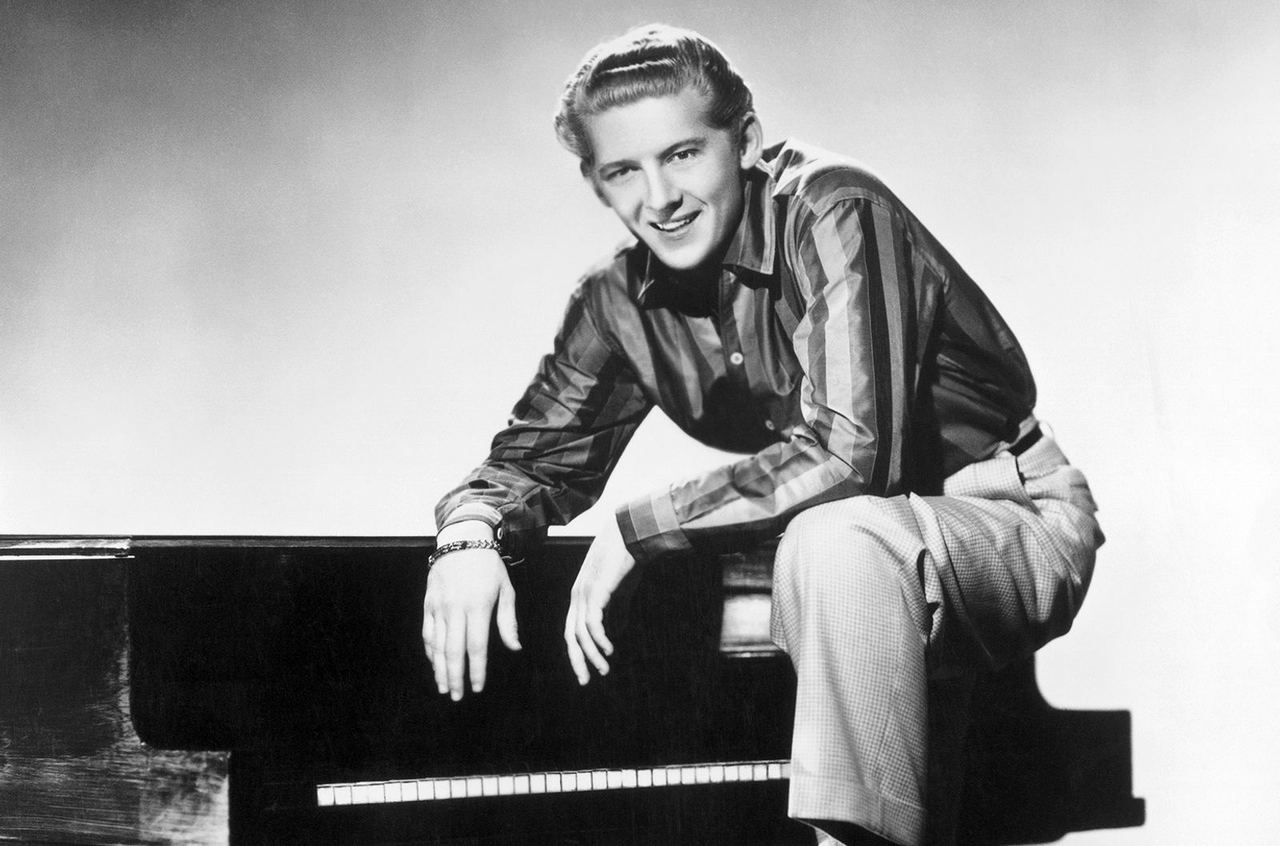
Even after countless changes in musical fashion, technology, and cultural attitudes, “Great Balls of Fire” continues feeling urgent because genuine emotional intensity never fully loses its power across generations or historical eras.
Very few songs manage to preserve such explosive energy for nearly seventy years without sounding outdated, yet the recording still feels capable of igniting excitement almost instantly the moment those piano chords begin.
More than anything, the song survives because it captured a historic cultural moment when rock and roll stopped being merely entertainment and became a force powerful enough to challenge society itself.
Ultimately, “Great Balls of Fire” remains far more than a classic hit because it stands as one of the purest recordings of youthful rebellion, emotional freedom, and untamed musical energy ever captured on tape.
[EMBED:
[EMBED:
[EMBED:
May 20, 2026 6 minutes read
Share via Email
Share
X
Telegram
Other posts
May 06, 2026
The Cheerful 1970 Hit That Showed a Playful Side of Creedence Clearwater Revival and Turne…
May 07, 2026
The Zombies “Time of the Season” in 1968
Jul 14, 2026
From Heartache to Harmony: The Story Behind The Everly Brothers’ ‘Bye Bye Love’ and Its La…
May 25, 2026
This 1973 Classic Reminded Millions That Time Is Life’s Most Precious Gift Its heartfelt m…
Jul 28, 2026
Prepare for Goosebumps as John Denver and Cass Elliot Deliver an Unforgettable Live Duet o…
Jul 18, 2026
Faron Young’s “Hello Walls” Opens the Door to Country-Pop Crossover and Emotional Storytel…
May 19, 2026
Released in 1957, this unforgettable hit changed music forever—and an entire generation ne…
Jul 25, 2026
A Quiet Reflection on a Changing World: The Story Behind “Day Is Done” (1969)
↑
Read more stories
- “We are only having your sister’s family this year!” Mom texted. I typed back: “Have a good time.” When I refused to invite them to a grand Thanksgiving party at my house, my father broke my window and grabbed me by the throat, saying, “You think you’re better than us?” My sister had kicked me in the ribs, adding, “Some people just need to remember their place.” But…
- My parents sold their paid-off house to rescue my sister, then showed up at my lake house with a moving truck. “We’re your parents. We don’t need permission to live here,” Dad demanded. But when I found a note slid under my front door, I realized this was much worse than a family emergency.
- A doctor showed me an X-ray of my daughter’s face and quietly explained that her jaw had been shattered in six places. Hours earlier, she had been a normal college student. Now she lay in a hospital bed, unable to speak, unable to explain what happened. I had survived war zones and battlefield chaos, but nothing could prepare me for the night I learned someone had nearly beaten my little girl to death.
- At My Own Family Dinner, My Father Smirked and Said, “Still Living Off Us?” While My Mother Laughed Beside Him—So I Walked Out Quietly, Let Them Enjoy Their Roast, Then Made One Phone Call That Turned Their Comfortable Life Inside My Condo Into a Deadline They Never Saw Coming